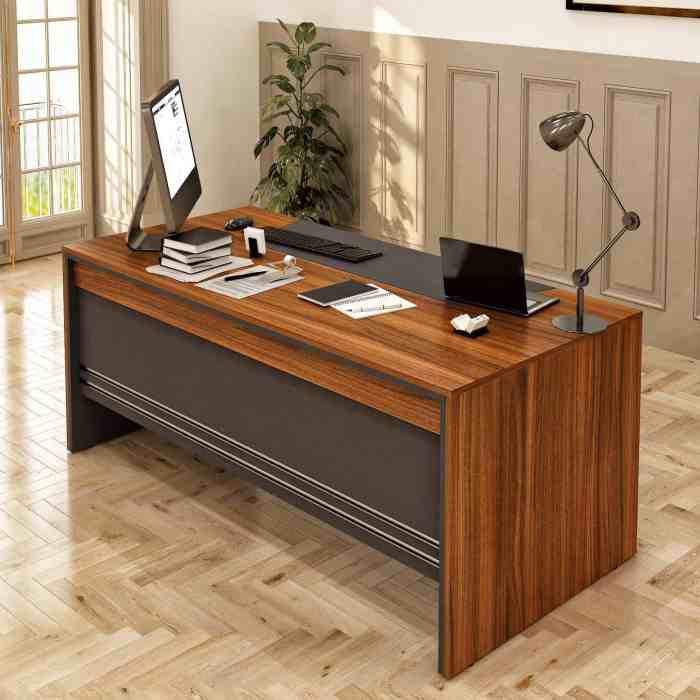
Best furniture for home offices sets the stage for this enthralling narrative, offering readers a glimpse into a story that is rich in detail with casual formal language style and brimming with originality from the outset.
When it comes to creating the perfect workspace at home, the right furniture can make all the difference. From ergonomic options to space-saving solutions, this guide covers everything you need to know about furnishing your home office for optimal comfort and productivity.
Best Furniture for Home Offices
Creating a comfortable and productive home office space starts with choosing the right furniture. Here are some options to consider:
Ergonomic Furniture Options
Investing in ergonomic furniture can make a significant difference in your workday. Look for chairs with proper lumbar support and adjustable height to ensure good posture and reduce strain on your back.
Adjustable desks are also a great choice, allowing you to switch between sitting and standing positions throughout the day. This can help improve circulation and reduce the risk of musculoskeletal issues.
Space-Saving Solutions
- Wall-mounted desks or foldable desks are ideal for small home office spaces, providing a functional workspace that can be easily tucked away when not in use.
- Multi-functional furniture like storage ottomans or desks with built-in shelves can help maximize space without compromising on style or functionality.
Storage Options
Effective storage is essential for keeping your home office organized and clutter-free. Consider the following options:
- Cabinets and drawers can help keep important documents and supplies out of sight but easily accessible when needed.
- Shelves and wall organizers are great for displaying books, decorative items, or storing frequently used items within reach.
Home Inspections
Conducting regular home inspections is crucial for maintaining the integrity and safety of your living space. By identifying issues early on, you can prevent costly repairs and ensure the well-being of your household.
Checklist for Home Inspections
Before starting a home inspection, make sure to have the following checklist handy:
- Inspect the roof for any signs of damage or leaks.
- Check the foundation for cracks or water damage.
- Test smoke detectors and carbon monoxide alarms.
- Examine plumbing for leaks or clogs.
- Inspect electrical outlets and wiring for any issues.
Significance of Regular Home Inspections
Regular home inspections are essential for maintaining the overall safety and functionality of your home. By addressing issues promptly, you can prevent accidents and ensure a comfortable living environment for you and your family.
Common Issues Found During Home Inspections
Some common issues discovered during home inspections include:
- Water damage from leaks or poor drainage.
- Mold growth in damp areas.
- Pest infestations such as termites or rodents.
- Electrical hazards like faulty wiring.
Tips for Hiring Professional Inspectors
When hiring a professional inspector for a comprehensive evaluation, consider the following tips:
- Research and read reviews of potential inspectors.
- Ask for credentials and certifications to ensure expertise.
- Request a detailed report of findings and recommendations.
- Discuss any specific concerns or areas of focus with the inspector.
Kitchen Improvements
When it comes to modern homes, the kitchen is often considered the heart of the house. It’s where families gather, meals are prepared, and memories are made. Keeping your kitchen up-to-date not only enhances the overall look of your home but also increases its functionality and value.
Latest Trends in Kitchen Improvements
- Smart Appliances: Investing in smart appliances can make your kitchen more efficient and convenient. From refrigerators with touchscreens to voice-controlled ovens, these high-tech gadgets are becoming increasingly popular.
- Minimalist Design: Clean lines, sleek surfaces, and clutter-free spaces are all the rage in modern kitchen design. Minimalist kitchens not only look stylish but also create a sense of calm and organization.
- Mixed Materials: Mixing different materials like wood, metal, and stone can add visual interest and texture to your kitchen. Combining materials in countertops, backsplashes, and cabinetry can create a unique and personalized look.
Cost-Effective Ways to Upgrade Kitchen Appliances and Fixtures
- Painting Cabinets: A fresh coat of paint can instantly transform outdated cabinets, giving them a modern and stylish look. Opt for trendy colors like navy blue, sage green, or charcoal gray for a contemporary feel.
- Replacing Hardware: Swapping out old cabinet knobs and drawer pulls for new, modern ones can make a big impact on the overall look of your kitchen. Choose sleek and minimalistic designs for a sophisticated touch.
- Updating Lighting: Installing new light fixtures or adding under cabinet lighting can brighten up your kitchen and create a more welcoming ambiance. LED lights are energy-efficient and can help reduce your electricity bills.
Choosing Sustainable Materials for Eco-Friendly Kitchen Renovations
- Bamboo: Bamboo is a sustainable and renewable material that is perfect for kitchen flooring, countertops, and cabinets. It’s durable, easy to maintain, and adds a natural touch to your kitchen.
- Recycled Glass: Using recycled glass for countertops or backsplashes is an eco-friendly choice that adds a pop of color and texture to your kitchen. It’s easy to clean and resistant to stains and scratches.
- Low VOC Paints: Opt for low VOC (volatile organic compound) paints for your kitchen walls to reduce harmful emissions and improve indoor air quality. These paints are eco-friendly and safe for your family.
Before and After Examples of Kitchen Improvement Projects
Transforming your kitchen doesn’t have to break the bank. By making strategic upgrades and choosing sustainable materials, you can create a beautiful and functional space that reflects your personal style while being environmentally conscious.
Home Improvement and Furniture
When it comes to home improvement projects, furniture plays a vital role in enhancing the overall aesthetics of a space. The right furniture choices can complement the theme of a room, tying everything together seamlessly. Let’s explore how furniture selection can make a significant impact on your home improvement endeavors.
Coordinating Furniture Styles with Different Home Improvement Themes
Choosing the right furniture style to match your home improvement theme is crucial for creating a cohesive look. Here are some tips on how to coordinate furniture styles with different home improvement themes:
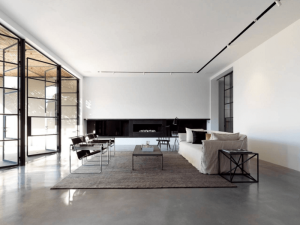
- For a modern home improvement theme, opt for sleek and minimalist furniture pieces with clean lines and a contemporary design.
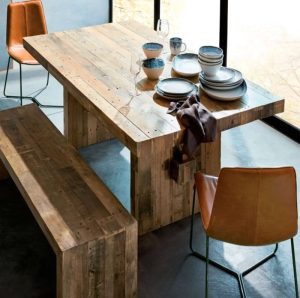
- If you’re going for a rustic or farmhouse look, consider incorporating wooden furniture with a distressed finish or vintage pieces to add a cozy and charming touch.
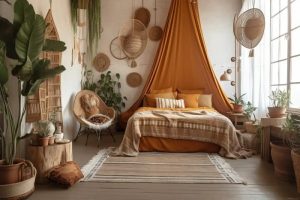
- In a bohemian-inspired space, mix and match furniture styles to create an eclectic and laid-back vibe. Think colorful, patterned pieces and unique furniture finds.
- For a Scandinavian design theme, choose furniture with a light color palette, simple yet functional designs, and natural materials like wood and leather for a clean and airy feel.
DIY Furniture Projects for Common Home Improvement Tasks
Embarking on a DIY furniture project can be a fun and rewarding way to enhance your home improvement efforts. Here are some DIY furniture projects that can complement common home improvement tasks:
- Upcycling old furniture with a fresh coat of paint or new hardware to give it a new lease on life.
- Building a custom shelving unit to maximize storage space in a room undergoing renovation.
- Creating a unique coffee table using reclaimed wood or repurposed materials for a one-of-a-kind piece in your living room.
- Designing and constructing a stylish headboard for your bed to add a personalized touch to your bedroom makeover.
Flooring
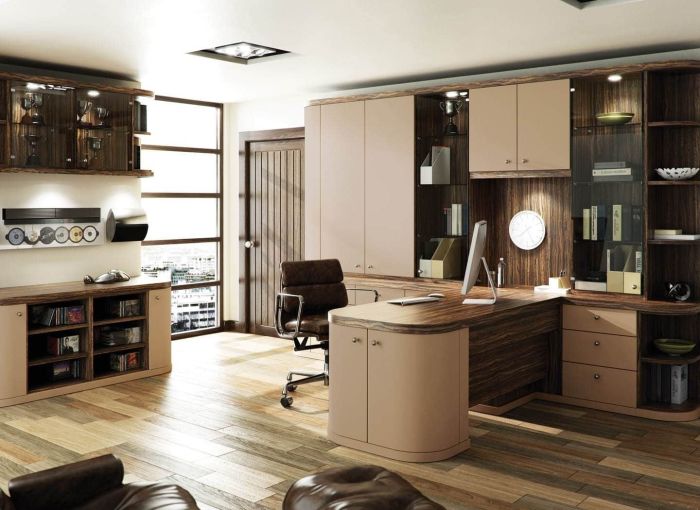
When it comes to choosing the right flooring for your home, there are several options to consider. Each type of flooring has its own benefits in terms of durability, maintenance, and overall look. It’s important to select the best flooring based on your lifestyle and budget to ensure long-lasting satisfaction with your choice.
Hardwood Flooring
Hardwood flooring is a popular choice for many homeowners due to its timeless appeal and durability. It can add warmth and character to any room, but it does require regular maintenance to keep it looking its best. Hardwood floors are a good option for living rooms, bedrooms, and home offices.
Laminate Flooring
Laminate flooring is a cost-effective alternative to hardwood that mimics the look of real wood. It is easy to clean and maintain, making it a great choice for high-traffic areas like hallways and kitchens. Laminate flooring is also scratch and moisture-resistant, making it ideal for homes with children or pets.
Tile Flooring
Tile flooring is a versatile option that comes in a variety of materials such as ceramic, porcelain, and natural stone. It is durable, easy to clean, and perfect for areas prone to moisture like bathrooms and kitchens. Tile flooring can also be a stylish choice for entryways and outdoor spaces.
Carpet Flooring
Carpet flooring is a comfortable and cozy option that can help reduce noise and provide insulation. It is available in various colors and styles to suit different tastes and preferences. Carpet is a good choice for bedrooms, family rooms, and play areas where comfort is a priority.
Tips for Selecting the Best Flooring
- Consider your lifestyle and the amount of foot traffic in the room.
- Take into account your budget and long-term maintenance requirements.
- Choose a flooring option that complements the overall design and aesthetic of your home.
- Consult with a professional to ensure proper installation and maintenance for lasting results.
Green Living
Green living involves making conscious choices that have a positive impact on the environment. One aspect of this is selecting eco-friendly furniture options that are made from sustainable materials. By choosing greener alternatives, you can reduce the environmental footprint of your home office and contribute to a healthier planet.
Eco-friendly Furniture Options
- Look for furniture made from reclaimed wood or bamboo, which are renewable resources that help reduce deforestation.
- Opt for pieces that are certified by organizations like the Forest Stewardship Council (FSC) or Cradle to Cradle (C2C), ensuring sustainable sourcing and production practices.
- Consider furniture made from recycled materials, such as plastic bottles or reclaimed metal, to minimize waste and promote circular economy principles.
Creating a Green Living Space
- Choose furniture with non-toxic finishes and adhesives to prevent indoor air pollution and promote a healthier living environment.
- Incorporate indoor plants into your home office decor to improve air quality and add a touch of nature to your workspace.
- Utilize natural light through strategically placed windows or skylights to reduce energy consumption and create a more sustainable workspace.
Upcycling and Repurposing Furniture
- Give old furniture a new life by refinishing, painting, or repurposing it for a fresh look without contributing to landfill waste.
- Explore DIY projects to upcycle furniture pieces, such as turning an old dresser into a stylish storage cabinet or transforming a wooden pallet into a rustic desk.
- Consider shopping at thrift stores or online marketplaces for pre-loved furniture that can be refurbished or repurposed to fit your green living goals.
Interior Design and Decorating
Furniture plays a crucial role in interior design and decorating, as it not only provides functionality but also contributes to the overall aesthetics of a space. The choice of furniture can significantly impact the look and feel of a room, making it essential to select pieces that complement the room’s style and layout.
Maximizing Space and Functionality
When it comes to furniture layout ideas for maximizing space and functionality in a home office, consider multifunctional pieces such as desks with built-in storage or wall-mounted shelves. Opt for space-saving furniture like compact desks or foldable chairs that can be easily tucked away when not in use. Additionally, arranging furniture in a way that allows for efficient movement and accessibility can help create a more productive work environment.
Choosing Colors, Textures, and Styles
When choosing furniture for interior design, consider the colors, textures, and styles that will complement the room’s aesthetics. Neutral colors like white, beige, or gray can create a sense of calm and sophistication, while bold colors can add personality and vibrancy to a space. Mixing and matching different textures, such as wood, metal, or fabric, can add depth and visual interest to a room.
Selecting furniture styles that align with the overall design theme, whether it be modern, traditional, or eclectic, can help create a cohesive look.
Mixing and Matching Furniture Pieces
To achieve a cohesive interior design, it’s essential to mix and match furniture pieces thoughtfully. Consider combining different materials, shapes, and sizes to create visual contrast and balance in a room. For example, pairing a sleek, modern desk with a vintage-inspired chair can add character and charm to a space. Experimenting with different furniture arrangements and accessories can help personalize the room and showcase your unique style.
Bath and Shower
When it comes to bathroom furniture, choosing the right pieces for your bath and shower area can make a big difference in both functionality and aesthetics. From vanities to cabinets and storage units, each element plays a crucial role in organizing your essentials and creating a relaxing atmosphere.
Types of Bathroom Furniture
- Vanities: Bathroom vanities are essential for storing toiletries, towels, and other essentials. Choose a vanity that complements the overall style of your bathroom and provides ample storage space.
- Cabinets: Wall-mounted or floor-standing cabinets are great for storing extra towels, cleaning supplies, and other items you want to keep out of sight. Opt for cabinets made from water-resistant materials to prevent damage from humidity.
- Storage Units: Consider adding storage units like shelves, racks, or baskets to keep your bath and shower essentials organized and easily accessible. Utilize vertical space to maximize storage in smaller bathrooms.
Importance of Water-Resistant Materials
- Water-resistant materials are essential for bath and shower furniture to prevent damage from moisture and humidity. Look for furniture made from materials like teak, bamboo, or marine-grade plywood that can withstand the damp environment of the bathroom.
- Choosing water-resistant finishes like marine varnish or waterproof paint can also help protect your furniture from water damage and ensure longevity.
Organizing Bath and Shower Essentials
- Use drawer dividers, trays, and bins to keep toiletries, makeup, and grooming tools organized in your vanity or cabinets.
- Install hooks or racks for hanging towels, robes, and shower caddies to free up space and keep your bathroom clutter-free.
- Label containers and baskets to easily identify and access your bath and shower essentials, making your daily routine more efficient.
Creating a Spa-Like Atmosphere
- Incorporate elements like scented candles, plush towels, and decorative accents to enhance the spa-like atmosphere in your bathroom.
- Add a comfortable seating area, a bath tray for holding bath essentials, and plants to bring a touch of nature into your spa-inspired bathroom.
- Choose calming color schemes, soft lighting, and soothing textures to create a relaxing oasis where you can unwind and rejuvenate.
House Plans
Furniture placement plays a crucial role in influencing house plans and room layouts. When designing house plans, it is essential to consider the dimensions of the furniture to ensure that the space is functional and aesthetically pleasing.
Significance of Furniture Dimensions
Considering furniture dimensions when designing house plans is important to ensure that there is enough space for comfortable movement and functionality within the rooms. It also helps in determining the layout of the rooms and the overall flow of the house.
- Take accurate measurements of your furniture to plan the layout effectively.
- Consider the scale of the furniture in relation to the size of the room to avoid overcrowding.
- Allow for ample space around furniture pieces for easy movement and access.
Open Floor Plans for Different Furniture Arrangements
Open floor plans provide flexibility in furniture arrangements and allow for creative customization based on individual preferences and needs. Here are some examples of open floor plans that accommodate different furniture layouts:
| 1. Living Room and Dining Area Combo | 2. Multi-functional Spaces for Work and Relaxation |
| 3. Seamless Integration of Kitchen and Living Spaces | 4. Zoning Areas with Furniture Groupings |
Customizing House Plans for Specific Furniture Needs
Customizing house plans to fit specific furniture needs and styles can greatly enhance the functionality and aesthetics of the space. Here are some tips to consider when customizing house plans:
- Identify key furniture pieces that need to be accommodated in each room.
- Plan the layout to optimize natural light and views while considering furniture placement.
- Work with a designer to create custom furniture pieces that complement the overall design of the house.
Feng Shui
Feng Shui is the ancient Chinese practice of harmonizing individuals with their surrounding environment. When it comes to furniture placement and home design, incorporating Feng Shui principles can promote a sense of balance, harmony, and positive energy flow in a space. By understanding the basics of Feng Shui, you can create a more peaceful and energizing atmosphere in your home office.
Incorporating Feng Shui in Furniture Placement
- Position your desk in the command position, facing the door without being directly in line with it. This allows you to see who enters the room while feeling supported and in control.
- Avoid placing sharp corners or edges of furniture towards where you sit or work, as they can create negative energy flow.
- Choose furniture with rounded edges and organic shapes to promote a sense of flow and harmony in the space.
- Keep your workspace clutter-free and organized to allow for the smooth flow of energy.
Examples of Furniture Arrangements Aligning with Feng Shui
- In the living room, arrange seating in a circular or semi-circular layout to encourage conversation and connection.
- In the bedroom, position the bed against a solid wall with a clear view of the door for a sense of security and stability.
- In the kitchen, keep the stove clean and in good working order, symbolizing wealth and nourishment according to Feng Shui principles.
- In the home office, place a plant or small fountain near your desk to bring in positive energy and creativity.
Home Improvement
When it comes to home improvement projects and renovations, furniture plays a crucial role in enhancing the overall look and functionality of a space. The right furniture pieces can completely transform a room, making it more comfortable, stylish, and efficient.
Selecting Versatile Furniture
- Choose furniture pieces that are versatile and adaptable to different layouts. This way, you can easily rearrange your space as needed without having to replace your furniture.
- Opt for multi-functional furniture items, such as storage ottomans, nesting tables, or sleeper sofas, that can serve multiple purposes and save space.
- Consider furniture with neutral colors and timeless designs that can easily blend in with various decor styles over time.
Integrating Furniture Upgrades
- Coordinate furniture upgrades with your overall home improvement plans to create a cohesive look throughout your space.
- Use furniture as a focal point or statement piece to enhance the aesthetic appeal of a room and tie together different design elements.
- Consider the functionality of each furniture piece and how it can contribute to the efficiency and organization of your space.
Impact on Home Value
- Investing in high-quality and stylish furniture can increase the value of your home and make it more appealing to potential buyers.
- Choose furniture pieces that are durable, easy to maintain, and in line with current design trends to attract a wider range of buyers.
- Keep in mind that well-chosen furniture can significantly impact the resale potential of your home and help you achieve a higher selling price.
Heating and Air Conditioning
When it comes to heating and air conditioning in homes, furniture placement plays a crucial role in determining the efficiency of these systems. Improper arrangement of furniture can obstruct airflow, leading to uneven heating or cooling throughout the house. It is essential to consider how your furniture layout can impact the overall comfort and effectiveness of your heating and air conditioning units.
Importance of Proper Airflow
Proper airflow is essential for the efficient operation of heating and air conditioning units. When furniture blocks vents or air ducts, it disrupts the flow of air, making it harder for the system to heat or cool the space effectively. This can result in increased energy consumption and higher utility bills. To ensure optimal performance, it is crucial to maintain adequate airflow around these units.
- Avoid placing large furniture pieces directly in front of heating vents or air conditioning units to allow for unrestricted airflow.
- Regularly clean and inspect vents and ducts to prevent blockages caused by dust or debris.
- Consider using vent deflectors to redirect airflow if furniture placement cannot be easily changed.
Choosing Furniture Materials
When selecting furniture for your home office, consider materials that do not obstruct heating vents or air ducts. Opt for pieces with open or slatted designs that allow air to flow freely. Avoid placing furniture directly in front of or on top of vents to ensure proper circulation of warm or cool air.
- Choose furniture with legs or raised bases to allow air to pass underneath and around the piece.
- Avoid blocking radiators or baseboard heaters with large bookshelves or cabinets.
- Opt for lightweight and movable furniture that can be easily rearranged to optimize airflow in different seasons.
Optimizing Indoor Comfort
To maximize indoor comfort and efficiency of your heating and air conditioning systems, consider the layout of your furniture in relation to these units. Strategic placement of furniture can help distribute air more evenly throughout the space, ensuring a consistent temperature and comfortable environment.
- Position seating areas away from direct airflow to avoid discomfort from drafts or hot spots.
- Use ceiling fans to help circulate air and maintain a comfortable temperature without overworking your heating or cooling system.
- Consider the location of windows and doors when arranging furniture to prevent heat loss or gain depending on the season.
In conclusion, investing in the best furniture for your home office is not just about aesthetics but also about creating a functional and inspiring workspace. With the right pieces, you can enhance your productivity and elevate the overall look of your home office. So, choose wisely and design a space that truly reflects your style and needs.
Expert Answers
What are the benefits of ergonomic furniture for home offices?
Ergonomic furniture is designed to provide maximum comfort and support, reducing the risk of strain and injury during long work hours.
How can I maximize space in a small home office with furniture?
You can opt for multifunctional furniture pieces like foldable desks or wall-mounted shelves to save space while still maintaining functionality.
What should I consider when choosing storage options for my home office?
Consider the amount of storage you need, the accessibility of the storage solutions, and how well they fit into the overall design of your workspace.