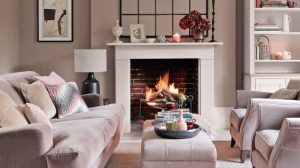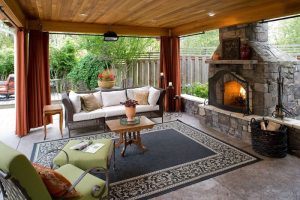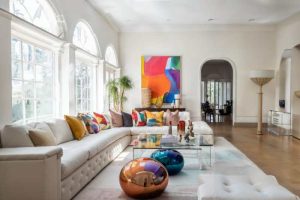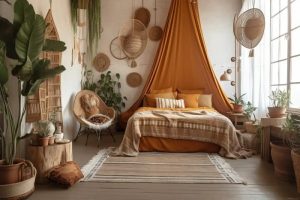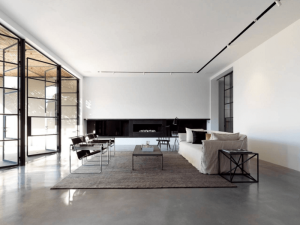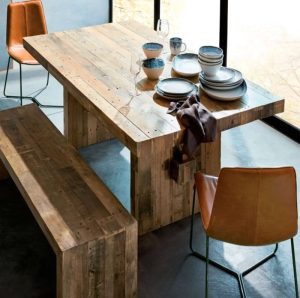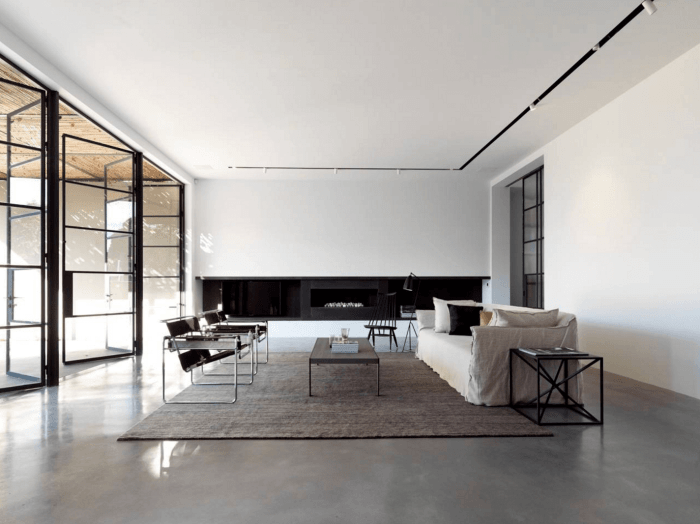
Embark on a journey through the world of minimalist interior design ideas, where elegance meets simplicity in creating inviting spaces that prioritize both style and functionality. From sleek lines to neutral palettes, discover the art of decluttering and organization for a harmonious living environment.
Explore how to infuse comfort into minimalist aesthetics without compromising on the essence of clean, modern design. Dive into a realm where less is truly more, and every element serves a purpose in elevating the ambiance of your home.
Minimalist Interior Design Ideas
Minimalist interior design focuses on simplicity, clean lines, and a sense of calmness. It is all about creating a space that is functional, uncluttered, and visually appealing.
Principles of Minimalist Interior Design
In minimalist design, less is more. The key principles include:
- Neutral colors such as white, beige, or gray to create a sense of space and light.
- Clean lines and simple shapes for furniture and decor pieces.
- Functional furniture that serves a purpose and eliminates unnecessary clutter.
Importance of Decluttering and Organization
Decluttering and organization play a crucial role in minimalist spaces as they help maintain the clean and uncluttered look. It is essential to only keep items that are necessary and have a designated place for everything.
Tips for Creating a Minimalist Look
To achieve a minimalist look without sacrificing comfort, consider the following tips:
- Focus on quality over quantity when selecting furniture and decor pieces.
- Opt for multi-functional furniture that serves more than one purpose.
- Use storage solutions such as hidden cabinets or built-in shelves to keep clutter out of sight.
- Incorporate natural elements like plants or natural textures to add warmth to the space.
Home Inspections
Regular home inspections are crucial to maintaining a safe and functional living environment. By identifying potential issues early on, homeowners can prevent costly repairs and ensure the longevity of their property.
Key Areas for Inspection
When conducting a home inspection, it is important to pay close attention to the following key areas:
- Roof and attic: Check for any signs of leaks or damage.
- Foundation: Look for cracks or shifting that may indicate structural issues.
- Plumbing: Inspect for leaks, water pressure, and drainage problems.
- Electrical system: Ensure outlets, switches, and wiring are in good condition.
- HVAC systems: Test heating, ventilation, and air conditioning units for proper functioning.
- Exterior: Check for damage to siding, windows, and doors.
- Interior: Inspect walls, floors, and ceilings for water damage or mold.
Importance of Home Inspections
Home inspections play a vital role in maintaining the overall safety and functionality of a property. By addressing issues promptly, homeowners can avoid potential hazards and costly repairs down the line.
Home Inspection Checklist
| Area | Checklist Item |
|---|---|
| Roof | Inspect for missing or damaged shingles. |
| Plumbing | Check for leaks under sinks and around toilets. |
| Electrical | Test all outlets and switches for proper functioning. |
| Foundation | Look for cracks in the walls or floors. |
Common Issues and Solutions
During home inspections, common issues that may arise include:
- Leaky faucets: Replace washers or seals to stop leaks.
- Mold growth: Address moisture issues and clean affected areas.
- Electrical hazards: Hire a professional to repair faulty wiring.
- Structural damage: Consult a contractor for necessary repairs.
Kitchen Improvements
When it comes to improving your kitchen space, there are plenty of budget-friendly ideas to consider. From incorporating the latest trends in kitchen design to maximizing storage in a small kitchen, there are various ways to upgrade your culinary space without breaking the bank.
Budget-Friendly Kitchen Upgrades
- Repaint cabinets and walls for a fresh look.
- Update cabinet hardware for a modern touch.
- Add open shelving to display your favorite dishes or cookware.
- Install under-cabinet lighting for better visibility.
Incorporating Latest Trends in Kitchen Design
- Opt for sleek, minimalist cabinetry for a contemporary look.
- Choose matte black or brass fixtures for a trendy finish.
- Integrate smart appliances for added convenience.
- Consider a statement backsplash to elevate the design.
Maximizing Storage in a Small Kitchen
- Utilize vertical space with tall cabinets or shelving units.
- Use drawer organizers and dividers to keep items neatly arranged.
- Hang pots and pans on a wall-mounted rack to free up cabinet space.
- Utilize the space above cabinets for storing infrequently used items.
DIY Kitchen Improvement Projects
- Create a custom pantry with floor-to-ceiling shelves.
- Add a fresh coat of paint to kitchen walls for a quick refresh.
- Build a kitchen island using repurposed materials for extra counter space.
- Upgrade cabinet doors with a coat of chalk paint for a rustic look.
Home Improvement and Furniture
When it comes to home improvement projects, selecting the right furniture plays a crucial role in enhancing the overall design aesthetic of a space. The furniture you choose can either make or break the look and feel of a room, so it’s essential to consider how it complements the existing decor.
Choosing Complementary Furniture
One tip for choosing furniture that complements the overall design aesthetic of your home is to stick to a cohesive color palette and style. Consider the existing colors and textures in the room and select furniture pieces that harmonize with these elements. Mixing and matching different styles can work well if done thoughtfully, but be mindful of creating a cohesive look.
Repurposing and Upcycling Furniture
For a sustainable home improvement approach, consider repurposing or upcycling furniture pieces. This not only adds a unique touch to your space but also reduces waste and promotes eco-friendly practices. Look for old furniture pieces that can be refurbished with a fresh coat of paint, new upholstery, or creative modifications to fit your design aesthetic.
Furniture Placement for Functionality
The role of furniture placement should not be underestimated when it comes to enhancing the functionality of a space. Thoughtful placement of furniture can create designated areas for different activities, improve traffic flow, and maximize the use of space. Consider the purpose of each room and arrange furniture in a way that facilitates ease of movement and functionality.
Flooring
When it comes to flooring options for a minimalist interior design, there are several factors to consider. From hardwood to laminate to tile, each material has its own set of pros and cons that can impact the overall look and feel of a room. Selecting the right flooring based on lifestyle and maintenance preferences is crucial to achieving a cohesive and functional design.
Additionally, incorporating creative flooring ideas can add a touch of personality and uniqueness to a minimalist space.
Comparing Flooring Options
- Hardwood: Known for its timeless appeal and durability, hardwood flooring adds warmth and elegance to a room. However, it can be more expensive and require regular maintenance to keep it looking its best.
- Laminate: A budget-friendly alternative to hardwood, laminate flooring is easy to install and maintain. While it may not have the same longevity as hardwood, it offers a wide range of styles and colors to choose from.
- Tile: Ideal for high-traffic areas like kitchens and bathrooms, tile flooring is durable and water-resistant. It comes in various sizes, shapes, and designs, allowing for endless customization possibilities.
- Other Popular Materials: From vinyl to concrete to bamboo, there are plenty of other flooring materials to consider based on specific needs and preferences.
Tips for Selecting the Right Flooring
- Consider the room’s function and foot traffic when choosing a flooring material.
- Think about maintenance requirements and how much time you’re willing to invest in upkeep.
- Take into account the overall aesthetic of the space and how the flooring will complement the minimalist design.
- Consult with a professional or designer to get expert advice on the best flooring option for your home.
Creative Flooring Ideas
- Opt for patterned tiles or geometric designs to add visual interest to a room.
- Experiment with different textures like wood grain or stone finishes to create a unique look.
- Combine different flooring materials in adjacent rooms for a seamless transition between spaces.
- Add a pop of color with vibrant rugs or carpet tiles to break up a neutral color scheme.
Furniture
When it comes to minimalist interior design, choosing the right furniture pieces is crucial for achieving a cohesive and functional space. Quality furniture not only enhances the aesthetic appeal of a room but also ensures long-term durability, making it a worthwhile investment in the long run.
Mixing and Matching Furniture Styles
- Stick to a neutral color palette to create a harmonious look when mixing different furniture styles.
- Focus on one or two statement pieces to add visual interest without overwhelming the space.
- Consider mixing materials like wood, metal, and glass to add texture and depth to the room.
Space-Saving Furniture Solutions
- Opt for multi-functional furniture pieces such as a sofa bed or a storage ottoman to maximize space in small homes.
- Choose furniture with built-in storage options like drawers or shelves to keep clutter at bay.
- Utilize vertical space with wall-mounted shelves or foldable tables to create more floor space.
Impact of Furniture Scale and Proportion
- Ensure that the scale of furniture pieces is proportionate to the size of the room to maintain a balanced and visually appealing design.
- Use furniture with clean lines and minimalistic designs to create a sense of openness and airiness in the space.
- Consider the traffic flow and functionality of the furniture arrangement to ensure a comfortable and practical layout.
Green Living
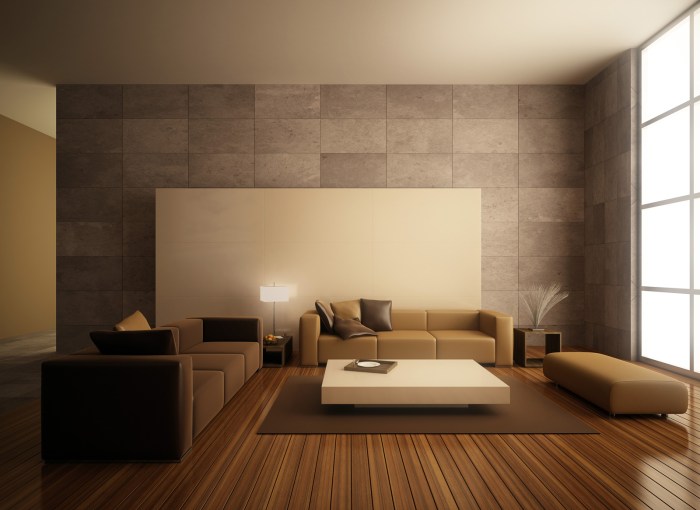
Living a green lifestyle not only benefits the environment but also contributes to creating a healthier and more sustainable home. By incorporating eco-friendly practices into your home design, you can reduce your carbon footprint and promote a more sustainable way of living.
When it comes to sustainable materials and energy-efficient solutions for a green home, options like bamboo flooring, recycled glass countertops, and energy-efficient appliances can make a significant impact. Choosing materials that are renewable, recyclable, and energy-efficient can help reduce waste and energy consumption in your home.
Tips for Creating a Minimalist and Sustainable Living Space
- Opt for furniture made from sustainable materials such as reclaimed wood or bamboo.
- Use energy-efficient lighting fixtures like LED bulbs to reduce energy consumption.
- Incorporate indoor plants to improve air quality and add a touch of nature to your space.
- Reduce clutter and unnecessary items to create a more minimalist and eco-friendly environment.
Examples of Green Living Initiatives
- Implementing a composting system to reduce food waste and create nutrient-rich soil for gardening.
- Installing a rainwater harvesting system to collect and reuse rainwater for watering plants and landscaping.
- Upcycling old furniture and decor items instead of throwing them away to reduce waste and promote sustainability.
- Using eco-friendly cleaning products to minimize exposure to harmful chemicals and pollutants in your home.
Interior Design and Decorating
Interior design plays a crucial role in creating a cohesive and harmonious living environment. It involves the art of blending elements such as color, texture, lighting, and furniture to transform a space into a visually appealing and functional area.
Styling a Minimalist Space
When styling a minimalist space, less is more. Opt for clean lines, neutral colors, and simple furniture to maintain the minimalist aesthetic. Add interest to the space with carefully curated art pieces, statement accessories, and decor items that complement the overall design.
Adding Texture and Warmth
To add texture and warmth to a minimalist interior, consider incorporating natural materials such as wood, stone, and leather. Textured rugs, cozy throws, and plush cushions can also create a sense of coziness in an otherwise sleek and minimalistic space.
Importance of Lighting
Lighting is a key element in enhancing the ambiance of a space. In a minimalist interior, natural light is preferred to create a sense of openness and airiness. Supplement natural light with carefully placed artificial lighting such as pendant lights, floor lamps, and wall sconces to create a warm and inviting atmosphere.
Bath and Shower
In a minimalist approach to bathroom design, less is more. By focusing on clean lines, simple colors, and efficient use of space, you can create a sleek and stylish bathroom that promotes relaxation and tranquility.When it comes to minimalist design ideas for bathrooms and showers, consider using neutral colors like white, beige, or light gray for the walls and floors.
Opt for sleek and modern fixtures with clean lines, such as wall-mounted sinks and floating vanities. Keep clutter to a minimum by incorporating built-in storage solutions like recessed shelves or hidden cabinets.
Maximizing Storage in a Small Bathroom
- Utilize vertical space by installing tall cabinets or shelving units.
- Consider adding a mirrored medicine cabinet to create storage without taking up extra space.
- Use baskets or bins to organize toiletries and keep them out of sight.
- Opt for multifunctional furniture pieces like a vanity with built-in storage or a stool that doubles as a hamper.
Creating a Spa-Like Atmosphere
- Incorporate natural elements like plants, bamboo accents, or wood details to bring a sense of calmness to the space.
- Add soft lighting with dimmer switches or candles to create a relaxing ambiance.
- Invest in plush towels, bath mats, and a cozy robe to enhance the spa-like experience.
- Consider installing a rainfall showerhead or a soaking tub for a luxurious bathing experience.
- Focus on open floor plans to maximize space and create a seamless flow between rooms.
- Utilize built-in storage solutions to minimize clutter and maintain a clean aesthetic.
- Incorporate multi-functional furniture pieces that serve more than one purpose to save space.
- Choose neutral color palettes and simple, minimalist finishes for a cohesive look throughout the home.
- Position windows strategically to allow natural light to flood the space, creating a bright and airy atmosphere.
- Consider cross ventilation to promote air circulation and maintain a comfortable indoor environment.
- Use skylights or light wells to bring in additional natural light without compromising privacy.
- Opt for energy-efficient windows and doors to enhance insulation and reduce reliance on artificial lighting and heating.
- Avoid clutter: In minimalist design, clutter is the enemy. Feng Shui emphasizes the importance of decluttering to allow for the free flow of energy (chi) throughout the space.
- Balance elements: Feng Shui suggests incorporating the five elements (wood, fire, earth, metal, water) in a balanced way to create a harmonious environment. For example, using wooden furniture, metal decor, and water features can help achieve this balance.
- Positioning of furniture: Arrange furniture in a way that allows for easy movement and promotes a sense of calm. Avoid placing furniture in direct line with doors or windows to prevent energy from flowing out of the space too quickly.
- Use mirrors strategically: Mirrors can help reflect light and energy, making a space feel brighter and more expansive. Avoid placing mirrors directly facing the bed or dining table, as this can disrupt the energy flow.
- Bring in natural light: Natural light is essential in Feng Shui to promote positive energy flow. Keep windows unobstructed and use light, sheer curtains to allow light to filter in easily.
- Introduce plants: Plants are believed to bring life force energy into a space. Choose plants with rounded leaves for a softer energy or spiky plants for protection and clarity.
- Creating a peaceful sanctuary: By following Feng Shui principles in minimalist interior design, you can transform your home into a peaceful sanctuary that promotes relaxation and well-being.
- Improving sleep and focus: A well-balanced and harmonious space can improve sleep quality, enhance focus, and reduce stress levels for the occupants of a minimalist home.
- Promoting positivity: Feng Shui can help create a positive and uplifting environment that supports the mental, emotional, and physical well-being of those living in a minimalist space.
- Invest in a programmable thermostat to regulate temperature settings based on your schedule.
- Opt for energy-efficient HVAC systems that are suitable for smaller spaces.
- Consider using ceiling fans to improve air circulation and reduce reliance on air conditioning.
- Ensure proper insulation in walls, floors, and ceilings to prevent heat loss during colder months.
- Implement good ventilation to maintain air quality and prevent humidity buildup, especially in bathrooms and kitchens.
- Regularly clean and maintain HVAC systems to ensure optimal performance and energy efficiency.
- Use curtains or blinds to control sunlight and heat gain in the summer, reducing the workload on the air conditioner.
- Choose sleek, modern heating and air conditioning units that blend seamlessly with the minimalist aesthetic of your home.
- Consider built-in options or hidden installations to maintain a clean and clutter-free look in your living space.
House Plans
Choosing the right house plan is crucial for those embracing a minimalist lifestyle. It sets the foundation for a clutter-free and functional living space that promotes simplicity and efficiency.
Optimizing space and flow in a minimalist home design involves careful consideration of layout, furniture placement, and storage solutions. By prioritizing essential elements and eliminating unnecessary items, you can create a sense of openness and tranquility in your living environment.
Functionality and Simplicity in House Plans
Natural Light and Ventilation in House Plan Design
Feng Shui
Feng Shui is a traditional Chinese practice that focuses on harmonizing individuals with their surrounding environment. When applied to minimalist interior design, Feng Shui principles can help create a space that not only looks aesthetically pleasing but also promotes positive energy flow and enhances overall well-being.
Principles of Feng Shui in Minimalist Interior Design
Creating Balanced Energy Flow
Enhancing Well-Being in a Minimalist Home
Heating and Air Conditioning
When it comes to minimalist interior design, creating a comfortable living space goes beyond just aesthetics. Proper heating and air conditioning are essential for maintaining a cozy atmosphere while keeping energy consumption in check.
Energy-Efficient Solutions
Importance of Insulation and Ventilation
Optimizing Heating and Cooling Systems
Incorporating Units into Minimalist Design
In conclusion, minimalist interior design ideas offer a transformative approach to crafting living spaces that exude sophistication and serenity. By embracing the principles of minimalism and integrating practical tips, you can achieve a harmonious balance between style and comfort in your home. Elevate your surroundings with minimalist touches that reflect your unique taste and enhance the overall aesthetic appeal of your living space.
Frequently Asked Questions
How can I incorporate color into a minimalist interior design?
Opt for a neutral color palette with occasional pops of muted tones to add depth and visual interest without overwhelming the space.
What furniture styles work best in a minimalist space?
Choose sleek, simple furniture pieces with clean lines and minimal embellishments to maintain the streamlined look of a minimalist interior.
Is it possible to create a cozy atmosphere in a minimalist setting?
Absolutely! Soft textures, warm lighting, and strategic placement of decor items can all contribute to a cozy ambiance within a minimalist design scheme.