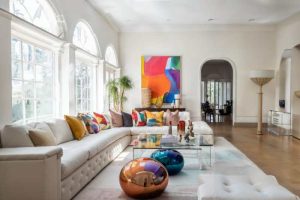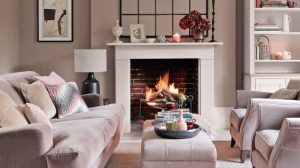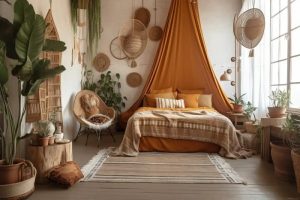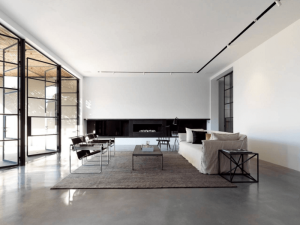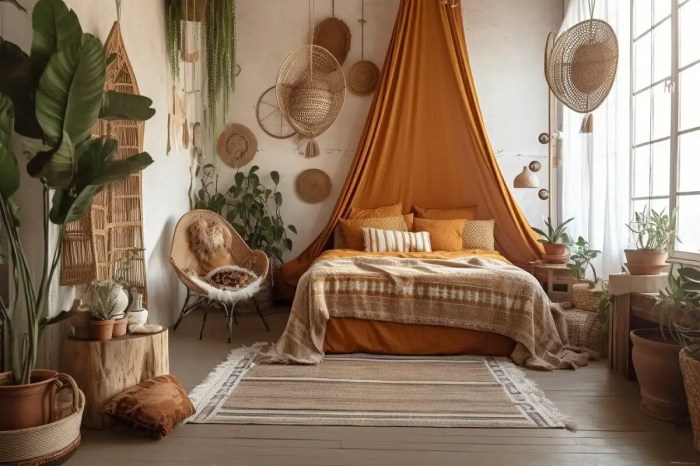
Step into the world of Bohemian decor ideas, where vibrant colors, eclectic patterns, and unique textures come together to create a one-of-a-kind living space. Dive into this engaging guide for inspiration and tips on how to infuse your home with boho charm.
Bohemian Decor Ideas
Bohemian decor is all about creating a free-spirited and eclectic space that reflects your unique personality. From bold colors to intricate patterns, there are several elements that define bohemian decor.
Unique Elements of Bohemian Decor
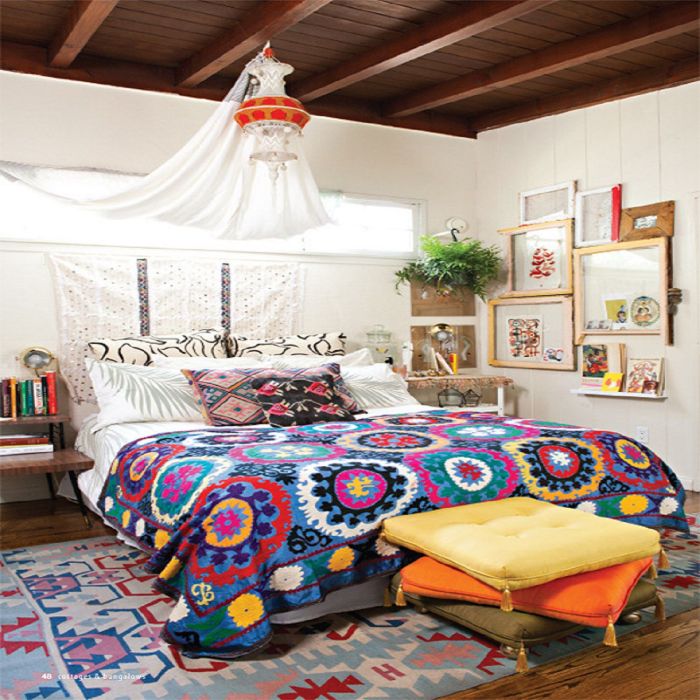
- Layered textiles: Incorporate an array of textiles such as rugs, throws, and pillows to add warmth and texture to the space.
- Vibrant colors: Embrace rich and vibrant hues like deep reds, oranges, and blues to create a lively and energetic atmosphere.
- Global influences: Mix and match decor pieces from various cultures and eras to achieve a well-traveled look.
Role of Colors in Bohemian Decor
Colors play a crucial role in bohemian decor, as they help set the mood and create a sense of coziness. Opt for a mix of bold and earthy tones to achieve a harmonious and vibrant look.
Incorporating Patterns and Textures
- Use intricate patterns like paisley, ikat, and floral prints to add visual interest to the space.
- Mix different textures such as velvet, silk, and jute to create a tactile and inviting environment.
Tips for Mixing and Matching Furniture and Decor
- Combine vintage and modern pieces to create a bohemian fusion style that is both eclectic and cohesive.
- Don’t be afraid to experiment with bold combinations of colors, patterns, and textures to achieve a bohemian aesthetic.
- Accessorize with plants, tapestries, and unique decor items to add a personal touch to the space.
Home Inspections
Regular home inspections are crucial for maintaining the safety, functionality, and value of your property. By identifying issues early on, you can prevent costly repairs and ensure your home remains in top condition.
Importance of Regular Home Inspections
- Regular inspections can help uncover hidden problems that may not be visible to the naked eye, such as mold, water damage, or structural issues.
- Identifying issues early can prevent them from escalating into major repairs that can be expensive and time-consuming.
- Home inspections are often required when buying or selling a property to ensure that the house meets safety and building code standards.
Common Issues Found During Home Inspections
- Electrical problems like faulty wiring or outdated systems.
- Plumbing issues such as leaks, clogs, or water damage.
- Roof damage, including missing shingles or signs of water infiltration.
- Structural issues like foundation cracks or sagging floors.
Tips for Preparing Your Home for Inspection
- Declutter and clean your home to make it easier for the inspector to access key areas.
- Fix minor repairs such as leaky faucets, loose doorknobs, or peeling paint.
- Ensure that all utilities are turned on and accessible for the inspection.
How to Address and Fix Problems Identified During a Home Inspection
- Get multiple quotes from reputable contractors to address major issues like roof repairs or electrical upgrades.
- Work with a licensed professional to fix any problems related to plumbing, HVAC systems, or structural integrity.
- Keep a record of all repairs and maintenance performed on your home for future reference.
Kitchen Improvements
When it comes to updating your kitchen, there are several budget-friendly ideas that can make a big impact. From simple DIY projects to minor upgrades, there are plenty of ways to refresh your space without breaking the bank.
Budget-Friendly Kitchen Improvement Ideas
If you’re looking to spruce up your kitchen on a budget, consider painting your cabinets for a fresh new look, adding a backsplash for a pop of color, or updating your hardware for a modern touch. You can also consider installing open shelving to display your favorite dishes and cookware, or adding a new rug or curtains to bring warmth and personality to the space.
Latest Trends in Kitchen Design and Decor
- Statement backsplashes with bold patterns or textures
- Dark and moody color schemes for a dramatic look
- Mixed metal finishes for a modern and eclectic vibe
- Smart kitchen technology for added convenience
Tips for Maximizing Storage Space in a Kitchen
- Utilize vertical space with tall cabinets or shelves
- Invest in drawer organizers and pull-out shelves
- Use hooks or rails to hang pots, pans, and utensils
- Consider a kitchen island with built-in storage
Choosing the Right Appliances for a Kitchen Upgrade
- Consider your cooking habits and needs when selecting appliances
- Opt for energy-efficient models to save on utility bills
- Choose appliances that complement your kitchen style and layout
- Look for smart features for added functionality and convenience
Home Improvement and Furniture
When it comes to home improvement projects, furniture plays a crucial role in enhancing the overall look and feel of a space. Choosing the right furniture materials, incorporating DIY projects, and strategically placing furniture can make a significant difference in transforming your home.
Comparing Furniture Materials
There are various types of furniture materials available, each with its own set of characteristics and benefits. Here are some common options:
- Wood: Known for its durability and timeless appeal, wood furniture adds warmth to any room.
- Metal: Sleek and modern, metal furniture is often used in contemporary settings for a clean look.
- Plastic: Lightweight and easy to clean, plastic furniture is ideal for outdoor spaces or casual interiors.
- Wicker/Rattan: Adding a touch of bohemian style, wicker or rattan furniture brings a natural, organic feel to a room.
DIY Home Improvement Projects with Furniture
Repurposing old furniture or creating custom pieces can be a great way to personalize your space. Here are some DIY ideas:
- Upcycling a dresser into a kitchen island for added storage and workspace.
- Turning a wooden pallet into a rustic coffee table with a coat of paint and some wheels.
- Using old doors to create a unique headboard for your bed.
Enhancing Room Look with Furniture Placement
The way furniture is arranged in a room can significantly impact its visual appeal and functionality. Consider these tips for effective furniture placement:
- Create conversation areas by arranging seating around a focal point like a fireplace or TV.
- Ensure there is enough space for traffic flow and movement around furniture pieces.
- Use rugs to anchor furniture groupings and define different zones within a room.
Selecting Furniture to Complement Your Home Decor Style
Choosing furniture that complements your existing decor style is essential for a cohesive look. Here are some tips to help you select the right pieces:
- Consider the overall color scheme and aesthetic of your space before purchasing new furniture.
- Mixing different styles can add visual interest, but be sure to maintain a sense of harmony.
- Experiment with textures and materials to create depth and dimension in your decor.
Flooring
When it comes to flooring options for different rooms in a house, there are several popular choices to consider. Hardwood and laminate flooring are two common options that have their own set of pros and cons. It’s important to choose the right flooring based on your lifestyle and budget, while also considering maintenance and cleaning tips to keep your floors looking their best.
Hardwood vs. Laminate Flooring
- Hardwood Flooring:
- Pros:
- Natural and elegant look
- Durable and long-lasting
- Can be refinished to refresh appearance
- Cons:
- Expensive upfront cost
- Prone to scratches and water damage
- Requires regular maintenance
- Pros:
- Laminate Flooring:
- Pros:
- Cost-effective alternative to hardwood
- Easy to install and maintain
- Resistant to scratches and moisture
- Cons:
- Not as durable as hardwood
- Cannot be refinished
- May not add as much value to the home
- Pros:
Maintaining and Cleaning Tips
- Regularly sweep or vacuum to remove dirt and debris
- Use a damp mop with a mild cleaner for hardwood floors
- Avoid using harsh chemicals or excessive water on laminate floors
- Place rugs or mats in high-traffic areas to protect the flooring
Choosing the Right Flooring
- Consider your lifestyle and the amount of foot traffic in each room
- Factor in your budget and long-term maintenance costs
- Choose a flooring material that complements the overall design and style of your home
- Seek professional advice if unsure about the best flooring option for your specific needs
Green Living
Living a green lifestyle not only benefits the environment but also creates a healthier and more sustainable home. By incorporating eco-friendly practices into home design, you can reduce your carbon footprint and promote a greener way of living.
Benefits of Eco-Friendly Practices
- Reduce waste and promote recycling
- Improve indoor air quality
- Conserve natural resources
Sustainable Home Decor Ideas
- Use reclaimed or recycled materials for furniture
- Incorporate houseplants for natural air purification
- Choose energy-efficient lighting fixtures
Reducing Energy Consumption
- Install programmable thermostats to regulate heating and cooling
- Use energy-efficient appliances and electronics
- Opt for renewable energy sources like solar panels
Tips for Creating a Green Living Space
- Opt for natural and organic fabrics for upholstery and decor
- Maximize natural light and ventilation to reduce reliance on artificial lighting and air conditioning
- Choose low-VOC paints and finishes for walls and furniture
Interior Design and Decorating
Interior design plays a crucial role in creating a welcoming and aesthetically pleasing home. From choosing the right color palette to arranging furniture, every detail contributes to the overall look and feel of a space.
Latest Interior Design Trends
- Statement ceilings are gaining popularity, with bold colors or intricate designs drawing attention upward.
- Natural materials such as wood, stone, and rattan are being incorporated to add warmth and texture to rooms.
- Maximalism is making a comeback, with vibrant colors, patterns, and eclectic decor creating a visually stimulating environment.
Role of Lighting in Interior Design
Lighting is essential in setting the mood and highlighting key features in a room. Natural light can make a space feel airy and spacious, while layered lighting fixtures can create a cozy ambiance.
Creating a Cohesive Design Scheme
- Choose a consistent color palette to tie different rooms together and create a harmonious flow throughout the home.
- Repeat patterns, textures, or accent colors in various spaces to create a cohesive look without being too matchy-matchy.
- Consider the overall style of your home when selecting furniture and decor pieces to ensure they complement each other.
Tips for Accessorizing and Styling
- Personalize your space with items that reflect your interests, travels, or memories.
- Layer rugs, throw pillows, and wall art to add depth and personality to a room.
- Don’t be afraid to mix and match different styles, as eclectic decor can add character and charm to a space.
Bath and Shower
When it comes to designing a luxurious bath and shower space, there are several key elements to consider. From fixtures to finishes, every detail plays a role in creating a stylish and functional bathroom.
Luxurious Bath and Shower Design Ideas
Creating a luxurious bath and shower space starts with choosing high-quality materials and fixtures. Consider incorporating features like a rainfall showerhead, a deep soaking tub, and elegant tile work. Adding in elements like a heated towel rack or a built-in sound system can elevate the overall experience.
Proper Ventilation in a Bathroom
- Install a high-quality exhaust fan to help remove moisture and prevent mold growth.
- Consider adding a window or skylight to allow natural light and fresh air to enter the space.
- Regularly clean and maintain the ventilation system to ensure it functions properly.
Organizing Bath and Shower Essentials
- Use storage solutions like built-in shelves, shower caddies, and baskets to keep essentials organized and easily accessible.
- Consider installing a niche in the shower wall to store shampoo, conditioner, and soap.
- Utilize drawer organizers and trays to keep countertops clutter-free.
Choosing Fixtures and Finishes
- Opt for high-quality fixtures in finishes like brushed nickel, chrome, or matte black for a modern look.
- Select durable and easy-to-clean materials like porcelain, ceramic, or natural stone for flooring and walls.
- Coordinate finishes throughout the space for a cohesive and polished aesthetic.
House Plans
When it comes to choosing a house plan, there are several factors to consider in order to find the perfect layout that suits your needs. From the size of the rooms to the flow of the space, each detail plays a crucial role in creating a harmonious living environment.
Types of House Plans
- Single-story vs. multi-story houses
- Open floor plan vs. traditional layout
- Modern vs. traditional architectural styles
Key Considerations for Choosing a House Plan
- Family size and lifestyle
- Future needs and flexibility
- Budget constraints
Tips for Customizing a House Plan
- Work with a professional architect or designer
- Consider unique features that are important to you
- Optimize natural light and ventilation
Optimizing Space and Flow in a House
- Create designated zones for different activities
- Maximize storage solutions
- Ensure smooth circulation throughout the house
Feng Shui
Feng Shui is a traditional Chinese practice that focuses on creating harmonious environments to promote positive energy flow and balance in the home. By implementing feng shui principles, you can enhance the overall well-being of your space and the people who inhabit it.
Basic Principles of Feng Shui
- Avoid clutter: Clutter disrupts the flow of energy, so it’s essential to keep your space organized and clutter-free.
- Balance the five elements: Incorporate elements such as wood, fire, earth, metal, and water in your home to create a harmonious environment.
- Use natural light: Natural light is a vital source of energy, so try to maximize natural light in your space.
- Position furniture thoughtfully: Arrange furniture in a way that promotes the flow of energy throughout the room.
Improving Energy Flow
- Place a mirror strategically to reflect light and energy throughout the room.
- Add plants to bring life and vitality into your space.
- Use calming colors like blue and green to promote relaxation and tranquility.
- Avoid sharp corners and harsh lines, opt for smooth, rounded shapes instead.
Implementing Feng Shui in Different Rooms
- Living Room: Position furniture in a way that encourages conversation and connection.
- Bedroom: Place the bed in a commanding position facing the door for a sense of security and stability.
- Kitchen: Keep the kitchen clean and organized to promote health and abundance.
- Bathroom: Keep the bathroom door closed to prevent energy from flowing out of the home.
Significance of Colors and Elements
- Colors: Each color represents a different element and has a unique impact on energy flow. For example, red symbolizes fire and passion, while green represents growth and vitality.
- Elements: Balance the five elements throughout your home to create a harmonious environment. For example, you can incorporate a water feature to enhance the flow of energy in a specific area.
Heating and Air Conditioning
Proper heating and air conditioning systems play a crucial role in maintaining a comfortable and healthy home environment. These systems not only help regulate the temperature but also ensure good indoor air quality.
Energy-Efficient Heating and Cooling Options
- Consider installing a programmable thermostat to regulate temperature settings based on your schedule, helping you save energy and money.
- Upgrade to energy-efficient HVAC systems that have high SEER (Seasonal Energy Efficiency Ratio) ratings to reduce energy consumption.
- Regularly clean and replace air filters to improve airflow and efficiency of your heating and cooling systems.
Maintaining HVAC Systems for Optimal Performance
- Schedule annual maintenance checks with a professional HVAC technician to ensure all components are working efficiently.
- Keep outdoor units clear of debris and vegetation to prevent airflow blockages and maintain proper functioning.
- Check for leaks in ductwork and seal any gaps to prevent energy loss and ensure optimal performance of your HVAC system.
Improving Indoor Air Quality through Heating and Air Conditioning Maintenance
- Use high-quality air filters to trap dust, pollen, and other allergens, improving the indoor air quality in your home.
- Consider installing air purifiers or UV lights to kill bacteria and viruses circulating in the air, promoting a healthier living environment.
- Keep humidity levels in check to prevent mold growth and maintain a comfortable indoor environment.
Embrace the free-spirited essence of Bohemian decor with these creative ideas that breathe life into your living space. Whether you’re looking to revamp your home or add a touch of boho flair, these tips will help you achieve a unique and stylish look that reflects your individuality.
Question & Answer Hub
How can I incorporate bohemian elements into my home?
To embrace bohemian decor, focus on mixing vibrant colors, layering textures, and adding elements like macrame, rattan, and plants for a boho vibe.
What are some unique ways to blend furniture and decor items in a bohemian style?
Opt for mismatched furniture pieces, combine vintage and modern elements, and use eclectic accessories to create a cohesive bohemian look.