Embark on a journey of creating the perfect cozy abode with our guide on How to create a cozy home. From home inspections to interior design, discover the secrets to crafting a warm and inviting living space that you’ll love coming home to.
Home Inspections
Regular home inspections are essential to ensure the safety, functionality, and longevity of your home. By conducting thorough inspections, you can identify any potential issues early on and address them before they escalate into costly repairs.
Importance of Regular Home Inspections
It is important to schedule regular home inspections to maintain the overall condition of your property. Here is a checklist to help you conduct a comprehensive home inspection:
- Check the roof for any signs of damage or leaks.
- Inspect the plumbing system for leaks, clogs, or water pressure issues.
- Examine the electrical system for any faulty wiring or potential fire hazards.
- Inspect the HVAC system to ensure proper functioning and efficiency.
- Check the foundation for any cracks or signs of settlement.
- Inspect windows and doors for proper sealing and functionality.
Common Issues Found During Home Inspections
During home inspections, common issues that may arise include:
- Water damage from leaks or poor drainage.
- Mold and mildew growth due to moisture problems.
- Pest infestations that can cause damage to the structure.
- Electrical issues such as faulty wiring or outdated systems.
- Roof damage from wear and tear or storm damage.
Addressing these issues promptly can help prevent further damage and ensure a safe and comfortable living environment in your home.
Kitchen Improvements
When it comes to improving your kitchen, there are plenty of budget-friendly options that can enhance both its functionality and aesthetic appeal. From simple DIY projects to incorporating the latest design trends, there are many ways to upgrade your kitchen without breaking the bank.
Latest Trends in Kitchen Design
One of the latest trends in kitchen design is the use of open shelving to create a more spacious and airy feel. This can be achieved by removing upper cabinets and replacing them with floating shelves to display dishes, glassware, and decorative items. Another popular trend is the use of mixed materials, such as combining wood and metal accents for a modern yet warm look.
Materials for Kitchen Countertops
Choosing the right material for your kitchen countertops is essential for both functionality and style. Here are some popular options along with their pros and cons:
- Granite: Known for its durability and heat resistance, granite countertops are a popular choice. However, they can be expensive and require regular sealing to prevent stains.
- Quartz: Quartz countertops are low-maintenance and come in a wide range of colors and patterns. While they are more resistant to stains and scratches than granite, they can be susceptible to heat damage.
- Marble: Marble countertops are elegant and timeless, but they are prone to scratching and staining. They also require regular sealing to maintain their beauty.
- Laminate: Laminate countertops are an affordable option that comes in many colors and patterns. While they are easy to clean and maintain, they are not as durable as natural stone options.
Home Improvement and Furniture
When it comes to creating a cozy home, selecting the right furniture pieces and incorporating DIY home improvement projects play a crucial role. Additionally, repurposing furniture can add a unique touch to your space while promoting sustainability.
Selecting the Right Furniture
Choosing the right furniture pieces for different rooms in your home can significantly impact the overall look and feel of the space. Consider the following tips:
- Measure the space to ensure furniture fits properly and allows for easy movement.
- Consider the function of the room and choose furniture that complements its purpose.
- Opt for pieces that reflect your personal style and create a cohesive design aesthetic.
DIY Home Improvement Projects
Embarking on DIY home improvement projects can help enhance the overall look of your space without breaking the bank. Here are some ideas to get you started:
- Painting accent walls or furniture pieces to add a pop of color.
- Installing shelves or storage solutions to maximize space and organization.
- Updating light fixtures or cabinet hardware for a quick and easy refresh.
Repurposing Furniture for Sustainable Decor
Repurposing furniture is a great way to give new life to old pieces and promote sustainability in your home decor. Consider the following tips:
- Upcycle old furniture by painting, reupholstering, or repurposing it for a new use.
- Use furniture pieces in unexpected ways, such as turning a dresser into a kitchen island or a bookshelf into a room divider.
- Invest in quality pieces that can be easily updated or repurposed over time, reducing waste and promoting a sustainable approach to home decor.
Flooring
When it comes to creating a cozy and inviting home, the type of flooring you choose plays a crucial role in setting the tone for the space. Not only does the flooring impact the overall aesthetic of a room, but it also affects the comfort and warmth of the space.To help you select the best flooring options for your cozy home, let’s compare hardwood, laminate, and tile flooring in terms of durability, maintenance, and overall cozy factor.
Hardwood Flooring
Hardwood flooring is a classic choice that adds warmth and elegance to any room. It is durable and can last for decades with proper maintenance. Hardwood floors are easy to clean and maintain, making them a great option for busy households. To enhance the cozy feel of a room with hardwood floors, consider adding area rugs in key areas to create a soft and inviting atmosphere.
Laminate Flooring
Laminate flooring is a cost-effective alternative to hardwood that mimics the look of wood but is more budget-friendly. While laminate is not as durable as hardwood, it is still a practical choice for cozy homes. Laminate flooring is easy to clean and maintain, making it ideal for high-traffic areas. To make a room cozier with laminate flooring, layering area rugs can add warmth and comfort underfoot.
Tile Flooring
Tile flooring is a versatile option that comes in a wide range of styles and designs. While tile is durable and easy to clean, it can feel cold and hard underfoot. To create a cozy ambiance with tile flooring, consider using radiant floor heating to keep the space warm and inviting. Adding plush area rugs can also help soften the look and feel of a room with tile flooring.Incorporating area rugs into your home decor is a simple yet effective way to add warmth, comfort, and style to any room.
Whether you choose hardwood, laminate, or tile flooring, area rugs can help tie the space together and create a cozy atmosphere that you’ll love coming home to.
Furniture
Choosing the right furniture plays a crucial role in creating a cozy and inviting atmosphere in your home. Furniture should not only be functional but also complement the overall aesthetic of your living space.
Arranging Furniture for Cozy Living
When arranging furniture, consider the flow of the room and ensure there is enough space for movement. Place larger pieces against the walls to create an open feel, and use area rugs to define different areas within a room.
- Position sofas and chairs facing each other to encourage conversation and create a cozy gathering spot.
- Use side tables and coffee tables within reach of seating areas for convenience.
- Consider the traffic flow in the room and leave enough space for easy movement around furniture.
Multifunctional Furniture in Small Spaces
Incorporating multifunctional furniture is key to maximizing space in small homes or apartments. These pieces serve dual purposes, providing both functionality and style in limited areas.
- Opt for a sofa bed or a daybed that can double as a sleeping space for guests.
- Choose storage ottomans or benches that offer hidden compartments to keep clutter at bay.
- Consider wall-mounted shelves or foldable tables to save floor space while adding storage options.
Green Living
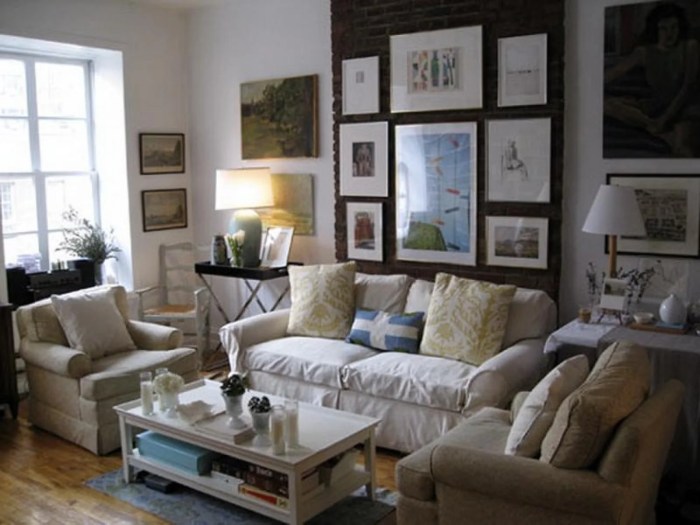
Creating a green living space involves incorporating eco-friendly practices to make your home more sustainable and energy-efficient. By making simple changes, you can reduce your environmental impact and improve the overall quality of your living space.
Benefits of Indoor Plants
Indoor plants not only add a touch of nature to your home but also have numerous benefits for your health and well-being. They can improve air quality by absorbing toxins and releasing oxygen, creating a fresher and cleaner indoor environment.
Tips for Recycling and Upcycling
- Recycle materials like glass, plastic, and paper to reduce waste and minimize your carbon footprint.
- Upcycle old furniture or decor items by giving them a new life with a fresh coat of paint or repurposing them for a different use.
- Consider using sustainable materials like bamboo, cork, or reclaimed wood for home decor and furnishings to support eco-friendly practices.
- Reduce energy consumption by using energy-efficient appliances and LED lighting throughout your home.
Interior Design and Decorating
Interior design plays a crucial role in creating a cozy and inviting atmosphere within a home. By understanding the basic principles of interior design, you can transform your living spaces into warm and welcoming retreats that reflect your personal style and preferences.
Color Schemes and Mood Influence
When it comes to choosing color schemes for your home, it’s essential to consider how different colors can influence the mood of a room. Warm tones like reds, oranges, and yellows can create a cozy and intimate feel, while cool tones like blues and greens can evoke a sense of calm and tranquility. Neutral colors like beige, gray, and white provide a versatile backdrop that can be easily paired with bolder accent colors to add personality and warmth to a space.
Role of Lighting in Enhancing Ambiance
Lighting is a key element in interior design that can greatly impact the ambiance of a home. Natural light helps create a sense of openness and brightness, while layered lighting with a mix of overhead, task, and accent lighting can add depth and warmth to a room. Dimmer switches and adjustable fixtures allow you to control the intensity of light to suit different activities and moods throughout the day.
Incorporating lamps, candles, and string lights can also contribute to a cozy and inviting atmosphere by creating soft, ambient lighting in various areas of your home.
Bath and Shower
Creating a relaxing and spa-like experience in your bathroom can elevate your daily routine. From luxurious fixtures to soothing accessories, there are many ways to transform your bath and shower area into a tranquil oasis.
Tips for Creating a Spa-like Experience
- Invest in a rainfall showerhead to mimic the feeling of a gentle rain shower.
- Use essential oil diffusers or scented candles to create a calming atmosphere.
- Incorporate plush towels and a soft bath mat for added comfort.
- Add greenery or natural elements like bamboo to bring a sense of serenity to the space.
Latest Trends in Bathroom Fixtures and Accessories
- Freestanding bathtubs have gained popularity for their modern and luxurious look.
- Smart mirrors with built-in lighting and defogging features are becoming increasingly common.
- Black matte fixtures are a trendy choice for adding a touch of sophistication to the bathroom.
- Marble accents and gold hardware are popular choices for creating a chic and elegant bathroom aesthetic.
Organizing Bath and Shower Essentials
- Utilize storage solutions like floating shelves, baskets, and drawer organizers to keep items neatly arranged.
- Label containers for bath salts, body scrubs, and other essentials to maintain a clutter-free space.
- Install a shower caddy or organizer to keep shampoo, conditioner, and body wash within easy reach.
- Regularly declutter and discard expired products to ensure a tidy and functional bathroom space.
House Plans
Creating a cozy home starts with thoughtful house planning. The layout and design of a house can greatly impact the overall comfort and livability of the space.When it comes to house plans, there is often a debate between open floor plans and traditional layouts. Open floor plans can create a sense of airiness and spaciousness, but they may lack privacy and coziness.
On the other hand, traditional layouts with defined rooms can provide a sense of security and intimacy, but they may feel closed off and restrictive.
Maximizing Natural Light and Ventilation
One way to enhance the coziness of a home is by maximizing natural light and ventilation in the house design. Here are some tips to achieve this:
- Consider the orientation of the house to take advantage of natural light throughout the day.
- Use large windows and skylights to bring in as much natural light as possible.
- Opt for light-colored walls and finishes to reflect light and make the space feel brighter.
- Incorporate cross ventilation by strategically placing windows and doors to allow for airflow throughout the house.
Feng Shui
Feng Shui is an ancient Chinese practice that focuses on creating harmony and balance in living spaces. By incorporating Feng Shui principles into your home decor and layout, you can promote positive energy flow and enhance the overall well-being of your home environment.
Incorporating Feng Shui Elements
- Avoid clutter: Clutter can disrupt the flow of energy in your home. Decluttering and organizing your space can create a sense of calm and tranquility.
- Use natural elements: Incorporate elements such as wood, water, metal, fire, and earth into your decor to create a balanced and harmonious atmosphere.
- Balance yin and yang: Balance the feminine (yin) and masculine (yang) energies in each room by incorporating soft and hard textures, light and dark colors, and curved and straight lines.
- Position furniture thoughtfully: Arrange furniture in a way that promotes the flow of energy throughout the room. Avoid placing furniture directly in line with doors or windows.
Decluttering and Organizing Spaces
- Clear pathways: Ensure there are clear pathways throughout your home to allow energy to flow freely. Remove any obstacles that may block the flow of energy.
- Organize with intention: Organize your belongings with purpose and intention. Keep items that bring you joy and let go of things that no longer serve a positive purpose in your life.
- Enhance natural light: Open up curtains and blinds to allow natural light to enter your home. Natural light is essential for promoting positive energy flow and creating a welcoming atmosphere.
- Avoid sharp corners: Soften sharp corners in your home by adding plants, rounded decor, or textiles. Sharp corners can create harsh energy, so it’s important to soften them for a more harmonious environment.
Home Improvement
Improving your home can not only enhance its aesthetic appeal but also increase its value. Whether you’re looking to tackle a small project or a major renovation, here is a step-by-step guide to help you get started.
Step-by-Step Guide for Home Improvement Projects:
- Assess the areas that need improvement and prioritize them based on your budget and timeline.
- Research and gather inspiration from home improvement magazines, websites, and social media platforms.
- Create a detailed plan outlining the scope of work, materials needed, and estimated costs.
- Set a realistic timeline for each project and allocate specific days or weekends for completion.
- Gather the necessary tools and materials before starting each project to avoid delays.
- Follow safety precautions and guidelines throughout the project to prevent accidents or injuries.
- Celebrate your accomplishments and enjoy the transformed space once the project is completed.
Benefits of DIY Home Improvement vs. Hiring Professionals:
- DIY projects can save you money on labor costs and give you a sense of accomplishment.
- Hiring professionals ensures quality workmanship and saves you time and effort.
- DIY projects allow for customization and personalization based on your preferences.
- Professionals have the expertise and experience to handle complex projects efficiently.
- DIY projects foster creativity and can be a fun and rewarding experience for homeowners.
Budget-Friendly Ways to Enhance Curb Appeal:
- Painting the front door and shutters in a fresh, bold color to make a statement.
- Adding potted plants and flowers to the porch or entryway for a pop of color and charm.
- Updating outdoor lighting fixtures to create a warm and inviting ambiance at night.
- Installing a new mailbox or house numbers for a quick and easy curb appeal boost.
- Pressure washing the driveway, walkways, and siding to remove dirt and grime for a clean look.
Heating and Air Conditioning
Proper maintenance of your heating and air conditioning systems is crucial for creating a cozy home environment. These systems play a significant role in regulating the temperature and air quality within your house.
Energy-Efficient HVAC Systems
Energy-efficient HVAC systems can greatly impact the comfort of your home while also helping you save on energy costs. These systems are designed to operate more efficiently, using less energy to heat or cool your home effectively.
- Make sure to invest in a high-efficiency HVAC system that is suitable for the size of your home. This will ensure optimal performance and energy savings.
- Regularly clean or replace air filters to maintain the efficiency of your HVAC system. Clogged filters can restrict airflow and make your system work harder.
- Consider installing a programmable thermostat to control the temperature settings based on your schedule. This can help reduce energy consumption when you are not at home.
Optimizing Heating and Cooling Systems
To ensure your heating and cooling systems are working efficiently throughout the year, consider the following tips:
- During the winter months, set your thermostat to a lower temperature when you are asleep or away from home to save on heating costs.
- Seal any air leaks around doors and windows to prevent heat loss and maintain a comfortable temperature inside your home.
- In the summer, use fans to circulate cool air and reduce the workload on your air conditioning system. This can help lower your energy consumption.
Explore the endless possibilities of making your home a sanctuary with our comprehensive tips and tricks on How to create a cozy home. Transform your living space into a haven of comfort and style with our expert advice.
FAQ Overview
How often should I conduct home inspections?
You should aim to conduct home inspections at least once a year to catch any potential issues early.
What are some budget-friendly ways to improve kitchen functionality?
Painting cabinets, updating hardware, and organizing storage can greatly enhance kitchen functionality without breaking the bank.
How can I incorporate Feng Shui in my home decor?
You can incorporate Feng Shui principles by decluttering, using natural materials, and arranging furniture to promote positive energy flow.