Embark on your DIY home inspection journey with our comprehensive guide that covers everything from key areas to common issues found during inspections.
Whether you’re a seasoned homeowner or a new property owner, this guide will equip you with the knowledge needed to keep your home in top condition.
Home Inspections
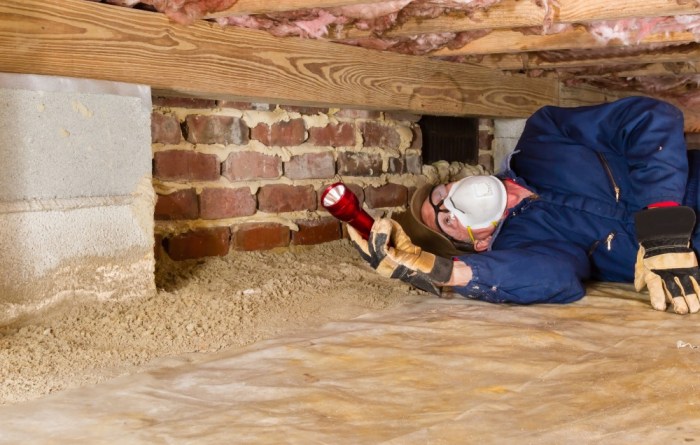
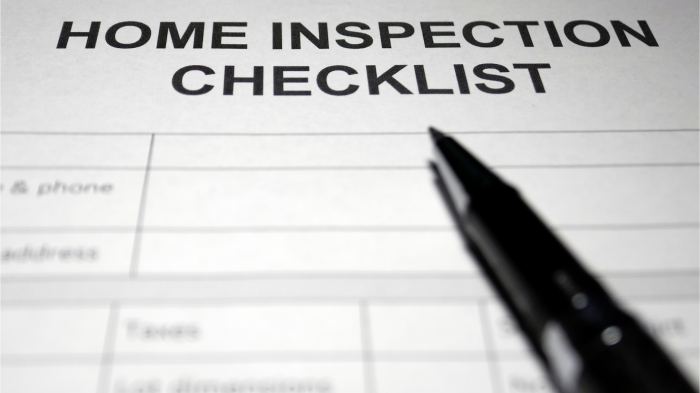
Conducting a DIY home inspection is crucial for homeowners to identify potential issues early on, ensuring the safety and longevity of their property. It also helps in preventing costly repairs in the future by addressing problems promptly.
Key Areas to Inspect
When conducting a home inspection, make sure to thoroughly check the following key areas:
- Roof – Look for missing shingles, signs of leaks, and any damage.
- Foundation – Check for cracks, water damage, or any structural issues.
- Plumbing – Inspect for leaks, water pressure, and drainage problems.
- Electrical – Ensure all outlets, switches, and lights are functioning properly.
- HVAC System – Test heating and cooling systems, change filters, and check for any issues.
- Interior – Look for signs of mold, pest infestations, and overall cleanliness.
- Exterior – Inspect siding, paint, gutters, and drainage to prevent water damage.
Common Issues and Solutions
During home inspections, common issues that may arise include:
- Water Leaks – Fix leaks promptly to prevent water damage and mold growth.
- Pest Infestations – Address pest problems by sealing entry points and using appropriate treatments.
- Electrical Problems – Hire a professional to fix any electrical issues to avoid safety hazards.
- Structural Damage – Consult with a contractor to repair any structural damage to maintain the integrity of the home.
Kitchen Improvements
When it comes to enhancing your kitchen, there are plenty of easy do-it-yourself projects that can make a big impact. From simple upgrades to major transformations, here are some budget-friendly ways to improve your kitchen’s functionality and aesthetics.
Easy DIY Kitchen Improvements
If you’re looking to update your kitchen without breaking the bank, there are several simple projects you can tackle yourself. Consider painting your cabinets for a fresh new look, adding a tile backsplash for a pop of color, or installing new hardware for a modern touch. These small changes can make a big difference in the overall feel of your kitchen.
Budget-Friendly Kitchen Aesthetics
To upgrade your kitchen’s aesthetics on a budget, consider options like painting the walls in a fresh coat of paint, changing out old light fixtures for more modern ones, or adding a new rug or window treatments for a cozy feel. These small changes can transform the look of your kitchen without a major renovation.
Kitchen Countertop Materials Comparison
When it comes to choosing materials for your kitchen countertops, there are several options to consider. Granite is durable and adds a touch of luxury, but can be expensive. Laminate is budget-friendly and comes in a variety of colors and patterns, but may not be as durable. Quartz is low-maintenance and stain-resistant, but can be pricey. Consider your budget and lifestyle needs when selecting the right countertop material for your kitchen.
Home Improvement and Furniture
When it comes to home improvement, selecting the right furniture plays a crucial role in enhancing the overall look and feel of your space. From the living room to the bedroom, the right furniture can transform a room into a cozy and inviting sanctuary. In this section, we will provide tips on choosing the perfect furniture for different spaces in your home, share DIY home improvement projects to elevate your space, and discuss the impact of furniture placement on the aesthetics of a room.
Choosing the Right Furniture
- Consider the size of the room and choose furniture that fits proportionally.
- Opt for multipurpose furniture to maximize space in smaller rooms.
- Choose furniture that complements the style and color scheme of the room.
- Invest in quality pieces that are both functional and durable.
DIY Home Improvement Projects
- Repurpose old furniture with a fresh coat of paint or new hardware for a budget-friendly upgrade.
- Create a gallery wall using framed photographs or artwork to add a personal touch to your space.
- Add a pop of color with accent pillows, rugs, or curtains to liven up a room.
- Build your own custom furniture pieces, such as a bookshelf or coffee table, for a unique look.
The Impact of Furniture Placement
- Arrange furniture in a way that promotes flow and functionality within a room.
- Consider the focal point of the room when positioning furniture, such as a fireplace or a large window.
- Use furniture to define different areas within an open-concept space, like a living room and dining area.
- Experiment with different layouts to find the most aesthetically pleasing arrangement for your space.
Flooring
When it comes to flooring options for your home, there are several DIY-friendly choices available that can enhance the look and feel of your space. In this section, we will discuss the pros and cons of popular flooring materials and share maintenance tips to help you make an informed decision.
Hardwood Flooring
Hardwood flooring is a timeless and elegant choice that can add warmth and character to any room. Here are some key points to consider:
- Pros:
- Durable and long-lasting
- Easy to clean and maintain
- Increases the value of your home
- Cons:
- Prone to scratches and dents
- Can be more expensive than other options
- Requires regular refinishing
Tip: Place felt pads on furniture legs to prevent scratches on hardwood floors.
Laminate Flooring
Laminate flooring is a budget-friendly alternative to hardwood that mimics the look of wood without the high price tag. Here’s what you need to know:
- Pros:
- Easy to install
- Resistant to scratches and moisture
- Low maintenance
- Cons:
- Not as durable as hardwood
- Can’t be refinished
- May sound hollow underfoot
Tip: Clean up spills promptly to prevent water damage to laminate flooring.
Tile Flooring
Tile flooring is a versatile option that comes in a variety of styles, colors, and patterns to suit any design aesthetic. Here are some considerations:
- Pros:
- Durable and water-resistant
- Easy to clean
- Great for high-traffic areas
- Cons:
- Cold and hard underfoot
- Grout lines can be difficult to clean
- May crack or chip over time
Tip: Use a neutral pH cleaner to preserve the finish and integrity of tile flooring.
Green Living
Embracing green living through DIY home improvements can not only enhance the sustainability of your living space but also contribute to a healthier environment. By incorporating eco-friendly materials and making simple changes to reduce energy consumption, you can create a more environmentally conscious home.
Eco-Friendly Materials and Products
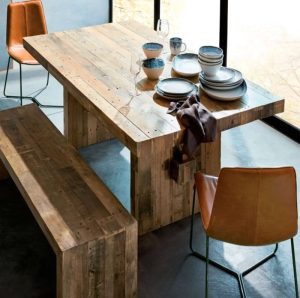
When embarking on green home projects, it is essential to prioritize the use of eco-friendly materials and products. Opt for sustainable options such as bamboo flooring, reclaimed wood furniture, low-VOC paints, and energy-efficient appliances. These choices not only reduce your carbon footprint but also promote a healthier indoor environment.
Reducing Energy Consumption
Simple home upgrades can significantly reduce energy consumption and lower your utility bills. Consider installing programmable thermostats, LED lighting, and energy-efficient windows to enhance the energy efficiency of your home. Additionally, proper insulation and sealing air leaks can further improve the overall energy performance of your living space.
Interior Design and Decorating
When it comes to DIY interior design projects, the possibilities are endless. Whether you want to revamp a single room or give your entire home a makeover, there are plenty of creative ideas you can explore.
Choosing the right color schemes and patterns for different rooms can significantly impact the overall look and feel of your space. From calming neutrals to bold and vibrant hues, the colors you choose can set the tone for each room.
Inspiration for DIY Interior Design Projects
When it comes to DIY interior design projects, the key is to start with a vision. Look for inspiration in magazines, online blogs, or even by visiting home decor stores. Whether you’re looking to create a cozy reading nook or a chic dining area, there are endless possibilities to explore.
Color Schemes and Patterns
Choosing the right color schemes and patterns can completely transform a room. For a cohesive look, consider sticking to a color palette that complements each other. From monochromatic schemes to bold contrasts, the options are endless. When it comes to patterns, mixing and matching can add visual interest and depth to a space.
Cohesive Design Style
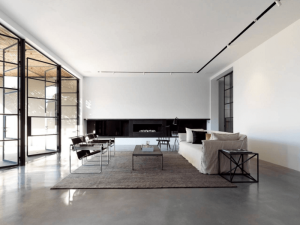
Creating a cohesive design style throughout your home is essential for a harmonious look. Whether you prefer modern minimalism or cozy farmhouse chic, make sure to carry the same design elements throughout each room. This can include consistent color schemes, furniture styles, and decor accents to tie everything together.
Bath and Shower
When it comes to maintaining your bathroom, there are several DIY tasks you can do to keep it in top condition. From cleaning grout to fixing leaky faucets, these small maintenance tasks can make a big difference in the overall appearance and functionality of your bathroom.
Updating bathroom fixtures and accessories doesn’t have to break the bank. Look for budget-friendly options like swapping out old hardware, adding a fresh coat of paint, or installing new lighting fixtures. These simple updates can give your bathroom a whole new look without spending a fortune.
Creating a spa-like atmosphere in your bathroom is easier than you might think. Incorporate calming colors, plush towels, and scented candles to transform your space into a relaxing retreat. Consider adding plants, a stylish shower curtain, and a cozy bath mat to enhance the spa experience.
DIY Maintenance Tasks
- Regularly clean and disinfect surfaces to prevent mold and mildew buildup.
- Check for and repair any leaks in the shower, bathtub, or sink to prevent water damage.
- Replace worn-out caulk and grout to maintain a clean and fresh appearance.
- Unclog drains using a mixture of baking soda, vinegar, and hot water to keep them flowing smoothly.
Budget-Friendly Updates
- Update cabinet hardware and faucets for a modern look without replacing the entire vanity.
- Paint walls or add wallpaper for a fresh new color scheme.
- Install a new showerhead or replace old lighting fixtures for a quick upgrade.
- Add decorative accents like a new mirror, artwork, or shelving for a personalized touch.
Creating a Spa-Like Atmosphere
- Choose calming colors like soft blues, greens, or neutrals for a soothing ambiance.
- Invest in high-quality towels and bath linens for a luxurious feel.
- Use scented candles, essential oils, or incense to add a relaxing scent to the room.
- Incorporate natural elements like plants or bamboo accessories for a spa-inspired look.
House Plans
Having a clear house plan before starting any DIY projects is crucial for the success of the renovation or improvement. A house plan provides a detailed layout of the property, including dimensions, room locations, and structural elements. It serves as a roadmap for the project, helping you stay organized and on track throughout the process.
Reading and Understanding House Blueprints
- House blueprints typically include floor plans, elevations, sections, and construction details.
- Understanding scale and measurements is essential to interpret the dimensions accurately.
- Pay attention to symbols and annotations that indicate materials, fixtures, and other important information.
- Consult with professionals if you encounter complex or unfamiliar elements in the blueprints.
Customizing House Plans
- Identify your specific needs and preferences to determine how to customize the house plans.
- Consider factors like family size, lifestyle, and future requirements when making changes to the original plan.
- Consult with architects or designers to ensure that structural modifications align with building codes and regulations.
- Be flexible and open to creative solutions that can enhance the functionality and aesthetics of your living space.
Feng Shui
Feng Shui is an ancient Chinese practice that focuses on creating harmony and balance in living spaces through the arrangement of furniture, colors, and decor. By incorporating Feng Shui principles into your home design, you can promote positive energy flow and create a more peaceful environment.
Furniture Placement and Energy Flow
In Feng Shui, the placement of furniture plays a crucial role in determining the flow of energy, or chi, in a space. It is important to arrange furniture in a way that allows energy to flow freely throughout the room. Avoid blocking doorways or windows with furniture, as this can disrupt the natural flow of energy. Positioning furniture in a way that promotes a clear pathway for energy to circulate can help create a more harmonious and balanced atmosphere in your home.
Incorporating Feng Shui Elements
When embarking on DIY home improvement projects, consider incorporating Feng Shui elements to enhance the energy of your space. Simple changes such as adding plants to bring in natural elements, using mirrors to reflect light and expand spaces, or incorporating the five Feng Shui elements (wood, fire, earth, metal, water) in your decor can help create a more balanced and harmonious environment.
By paying attention to these details, you can elevate the energy of your home and promote a sense of peace and well-being.
Heating and Air Conditioning
When it comes to heating and air conditioning systems in your home, there are several key aspects to consider for both comfort and efficiency. Understanding common HVAC issues that can be addressed through DIY methods, the importance of regular maintenance, and tips for improving energy efficiency through upgrades are all crucial for homeowners.
Common HVAC Issues and DIY Solutions
It’s essential to be aware of common issues that can arise with heating and air conditioning systems, such as clogged filters, thermostat malfunctions, or leaky ducts. Many of these problems can be tackled through simple do-it-yourself methods, saving you time and money on professional repairs.
- Regularly changing air filters can improve airflow and efficiency.
- Checking and adjusting thermostat settings can help maintain optimal temperatures.
- Sealing duct leaks with duct tape or mastic can prevent energy loss.
Importance of Regular Maintenance
Maintaining your heating and air conditioning systems on a regular basis is key to their longevity and performance. By scheduling annual inspections and tune-ups, you can catch potential issues early and ensure that your HVAC equipment operates efficiently throughout the year.
- Professional maintenance can identify and resolve small problems before they escalate.
- Cleaning and lubricating system components can prevent breakdowns and extend the lifespan of your HVAC units.
- Regular maintenance can also help maintain indoor air quality and ensure a comfortable living environment.
Improving Energy Efficiency
Energy efficiency is a significant concern for homeowners looking to reduce utility bills and minimize their environmental impact. Upgrading your heating and air conditioning systems with energy-efficient models or making adjustments to your existing setup can lead to substantial savings in the long run.
- Installing a programmable thermostat can help regulate temperatures and reduce energy consumption when you’re away from home.
- Sealing gaps around doors and windows can prevent heat loss and improve overall insulation.
- Consider upgrading to high-efficiency HVAC units that meet Energy Star requirements for maximum energy savings.
From kitchen improvements to interior design projects, this guide has provided you with essential tips and insights to enhance your home. Remember, a well-maintained home is a happy home!
Frequently Asked Questions
How often should I conduct a DIY home inspection?
It is recommended to perform a DIY home inspection at least once a year to catch any potential issues early.
What are some common issues to look out for during a home inspection?
Common issues include leaky faucets, electrical problems, and roof damage. Addressing these early can prevent costly repairs later on.
Can I use this guide for both new and older homes?
Absolutely! The checklist and tips provided are applicable to homes of all ages, helping you maintain and improve your living space.