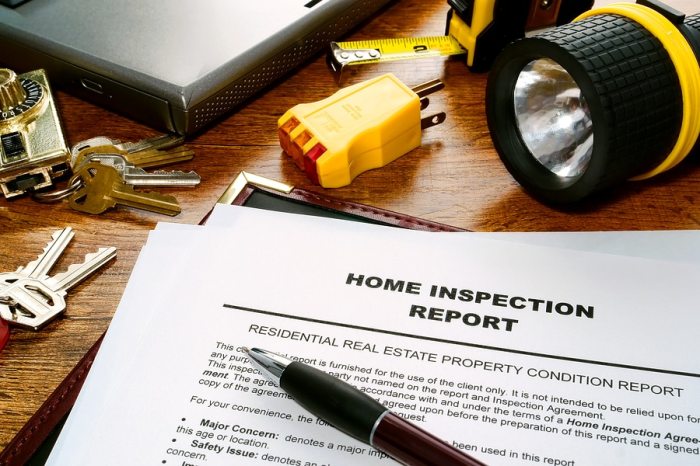
Certified home inspector sets the stage for this enthralling narrative, offering readers a glimpse into a story that is rich in detail and brimming with originality from the outset. As we delve into the world of property evaluations, the role of a certified home inspector becomes paramount in ensuring a thorough inspection process.
From assessing kitchen fixtures to exploring green living practices, this guide covers a wide array of topics that highlight the importance of home inspections and improvements. Let’s embark on this journey together to uncover the intricacies of a certified home inspector’s responsibilities.
Certified Home Inspector
Certified home inspectors play a crucial role in the real estate industry by examining properties to identify any potential issues or hazards. They are responsible for conducting thorough inspections of various aspects of a property, such as the foundation, roof, plumbing, electrical systems, and more. Their primary goal is to provide clients with an accurate assessment of a property’s condition.
Importance of Hiring a Certified Home Inspector
It is essential to hire a certified home inspector when evaluating a property to ensure that you are making an informed decision. Certified inspectors have the necessary training and expertise to identify any underlying problems that may not be immediately visible to the untrained eye. By hiring a certified professional, you can avoid costly surprises and make confident decisions when purchasing or selling a property.
Qualifications for Certified Home Inspectors in Different Regions
- In the United States, home inspectors are typically required to complete a training program and pass a certification exam. Some states may have additional licensing requirements.
- In Canada, home inspectors must complete a recognized training program and pass a national certification exam to become certified.
- In the United Kingdom, home inspectors are not currently regulated, but many professionals choose to become members of industry organizations to demonstrate their expertise.
Home Inspections
Home inspections are a crucial part of the home buying and selling process. They involve a thorough examination of a property by a certified professional to identify any potential issues that may need attention.
Typical Home Inspection Process
- The inspector will examine the exterior of the home, including the roof, siding, and foundation, to check for any signs of damage or wear.
- Next, the interior of the home will be inspected, focusing on areas such as the plumbing, electrical systems, and HVAC system.
- The inspector will also check for any signs of water damage, mold, or pest infestations that could pose a problem for the homeowner.
- Finally, a detailed report will be provided to the homeowner, outlining any issues found during the inspection.
Common Issues Found During Home Inspections
- Electrical problems such as faulty wiring or outdated panels.
- Plumbing issues like leaks, low water pressure, or outdated fixtures.
- Roof damage or leaks that could lead to water infiltration.
- Mold or mildew growth in damp areas of the home.
Benefits of Regular Home Inspections
- Early detection of potential problems can save the homeowner money on costly repairs down the line.
- Peace of mind knowing that the home is in good condition and safe for occupancy.
- Improved resale value of the home by addressing any issues before putting it on the market.
Kitchen Improvements
When conducting a home inspection, a certified home inspector carefully assesses the condition of kitchen fixtures and appliances to ensure they are in proper working order and safe for use.
Based on recommendations from home inspection reports, there are several tips for improving kitchens that can enhance both functionality and aesthetics while potentially increasing the overall property value.
Upgrading Kitchen Fixtures and Appliances
- Consider upgrading outdated appliances with energy-efficient models to improve the kitchen’s efficiency and reduce utility costs.
- Replace worn or damaged fixtures such as faucets, cabinet handles, and lighting to give the kitchen a fresh and modern look.
- Install a water filtration system to provide clean and safe drinking water, which can be a desirable feature for potential buyers.
Enhancing Storage and Organization
- Add additional storage solutions such as pull-out shelves, drawer organizers, and pantry systems to maximize space and improve organization in the kitchen.
- Consider installing a kitchen island or a built-in breakfast nook to create more functional and inviting spaces for cooking and dining.
Updating Countertops and Backsplash
- Replace old countertops with durable and easy-to-maintain materials like granite, quartz, or butcher block to improve the kitchen’s visual appeal and functionality.
- Upgrade the backsplash with stylish tiles or materials that are both practical and decorative, adding a touch of personality to the kitchen.
Impact on Property Value
- Improving the kitchen can significantly increase the overall property value, as it is often considered the heart of the home and a key selling point for potential buyers.
- A well-designed and updated kitchen can attract more buyers and lead to a quicker sale at a higher price, making it a worthwhile investment for homeowners.
Home Improvement and Furniture
When conducting a home inspection, certified home inspectors also evaluate the quality and condition of the furniture present in a property. This assessment helps in determining the overall maintenance and upkeep of the home, as well as identifying any potential issues or areas for improvement.
Evaluating Furniture Quality and Condition
- Inspectors look for signs of wear and tear, such as scratches, dents, or stains on furniture pieces.
- They check if furniture is structurally sound and stable, without any wobbling or loose joints.
- Inspectors also assess the overall cleanliness and organization of the furniture in each room.
Suggestions for Home Improvements
- Based on the furniture assessment results, recommendations may include repairing or replacing damaged furniture pieces.
- Homeowners may consider rearranging furniture to optimize space and improve the flow of a room.
- Upgrading outdated or mismatched furniture can enhance the overall aesthetic appeal of a home.
Relationship between Furniture Choices and Interior Design
- Furniture choices play a crucial role in shaping the style and ambiance of a space.
- Matching furniture styles with the overall interior design theme can create a cohesive and harmonious look.
- The size and placement of furniture can impact the functionality and visual balance of a room.
Flooring
Inspecting the flooring during a home inspection is crucial as it can reveal potential issues such as water damage, uneven surfaces, or structural problems. A thorough examination of the flooring can help identify any necessary repairs or upgrades to ensure the safety and integrity of the property.When it comes to flooring materials, there are various options available, each with its own set of advantages and disadvantages in terms of durability and maintenance.
For example, hardwood floors are known for their durability and timeless appeal but require regular maintenance to prevent scratches and water damage. On the other hand, laminate flooring is more affordable and easy to maintain but may not be as durable as hardwood.Based on the inspection findings, recommendations for flooring upgrades can be made to enhance the overall aesthetic and functionality of the home.
This could include replacing worn-out carpet with hardwood or laminate flooring, repairing damaged tiles, or refinishing existing hardwood floors to give them a fresh look.
Types of Flooring Materials
- Hardwood: Known for durability but requires regular maintenance.
- Laminate: Affordable and easy to maintain but may not be as durable as hardwood.
- Tile: Durable and water-resistant but can be prone to cracks and grout issues.
- Carpet: Provides warmth and comfort but requires frequent cleaning and may trap allergens.
Green Living
Certified home inspectors play a crucial role in assessing properties for energy efficiency and sustainability. By evaluating various aspects of a home, they can provide recommendations for eco-friendly improvements that promote green living practices.
Assessment for Energy Efficiency and Sustainability
- Inspecting insulation levels to ensure optimal energy conservation.
- Evaluating the efficiency of heating, ventilation, and air conditioning (HVAC) systems.
- Checking for energy-efficient appliances and lighting fixtures.
- Assessing the use of renewable energy sources like solar panels or geothermal heating.
Examples of Eco-Friendly Home Improvements
- Upgrading to energy-efficient windows and doors to reduce heat loss.
- Installing a programmable thermostat to regulate home temperature efficiently.
- Implementing a rainwater harvesting system for outdoor irrigation.
- Using low-flow fixtures in bathrooms and kitchens to conserve water.
Benefits of Green Living Practices
- Lower utility bills due to reduced energy and water consumption.
- Improvement in indoor air quality by using eco-friendly materials and products.
- Reduction of carbon footprint and contribution to environmental sustainability.
- Enhancement of overall home value with eco-friendly features for potential buyers.
Interior Design and Decorating
Interior design plays a crucial role in enhancing a property’s appeal during a home inspection. It can significantly impact the overall aesthetics and functionality of a space, making it more inviting and visually appealing to potential buyers.
Tips for Decorating Spaces
- Consider the function of each room and design accordingly to maximize its usability.
- Use a cohesive color palette throughout the space to create a sense of unity and harmony.
- Utilize natural light sources to brighten up the rooms and make them feel more spacious.
- Incorporate different textures and materials to add visual interest and depth to the design.
- Personalize the space with unique decor items that reflect your personality and style.
Influence of Interior Design Trends on Home Valuation
Interior design trends can have a significant impact on the valuation of a home. Properties that are styled according to current trends are more likely to attract buyers and command higher prices in the real estate market. Keeping up with popular design trends can help increase the perceived value of a property and make it more appealing to a wider audience.
Bath and Shower
When inspecting bathrooms, the focus on bath and shower areas is crucial as they are commonly used and prone to wear and tear. Issues in these areas can lead to water damage and mold growth if not addressed promptly.
Inspection Process for Bathrooms
- Check for leaks around the bathtub and shower fixtures.
- Inspect the condition of the grout and caulking to prevent water seepage.
- Evaluate the drainage system to ensure proper water flow and prevent clogs.
- Assess the condition of the shower head and faucets for any leaks or malfunctions.
Common Issues in Baths and Showers
- Leaking pipes or fixtures leading to water damage.
- Mold and mildew growth due to poor ventilation or water leaks.
- Cracked or deteriorating grout and caulking causing water seepage.
- Drainage issues leading to standing water in the shower or bathtub.
Recommendations for Renovations
- Replace damaged or deteriorated grout and caulking to prevent water seepage.
- Upgrade to water-efficient fixtures to reduce water waste and lower utility bills.
- Improve ventilation in the bathroom to prevent mold and mildew growth.
- Consider installing a shower waterproofing system to protect against water damage.
House Plans
House plans play a crucial role in the evaluation of properties by certified home inspectors. These detailed drawings provide essential information about the layout, structure, and dimensions of a home, helping inspectors assess compliance with building codes and safety standards.
Architectural Styles and Inspections
Different architectural styles can impact property inspections in various ways. For example, homes with intricate designs or unconventional layouts may present challenges during inspections, requiring inspectors to pay closer attention to potential hazards or structural issues.
- Victorian Style: Known for ornate details and asymmetrical shapes, Victorian homes may have unique features that require thorough inspection to ensure safety and structural integrity.
- Modern Style: Characterized by clean lines and open spaces, modern homes often prioritize energy efficiency and sustainable materials, which inspectors need to verify during assessments.
- Craftsman Style: Featuring handcrafted details and natural materials, Craftsman homes may require inspectors to assess the quality of workmanship and maintenance practices to determine overall property condition.
Accurate house plans are essential for property assessments as they provide a comprehensive overview of the home’s layout, including room dimensions, structural details, and potential safety issues.
Feng Shui
Feng Shui is an ancient Chinese practice that focuses on harmonizing individuals with their surrounding environment. When it comes to home inspections, understanding Feng Shui principles can provide valuable insights into the energy flow within a property.
Incorporating Feng Shui in Home Design
- Positioning of furniture: Arrange furniture in a way that promotes a smooth flow of energy throughout the space. Avoid blocking doorways or pathways.
- Color choices: Use colors that correspond to the five elements of Feng Shui (wood, fire, earth, metal, water) to create a balanced and harmonious environment.
- Clearing clutter: Clutter can block the flow of positive energy, so decluttering and organizing your space is essential for good Feng Shui.
- Natural light and air: Allow natural light and fresh air to enter your home to promote positive energy circulation.
Heating and Air Conditioning
When conducting a home inspection, one crucial aspect to evaluate is the heating and air conditioning systems in the property. Proper functioning of these systems is essential for the comfort and safety of the occupants.
Inspection Process for Heating and Air Conditioning Systems
During a home inspection, the inspector will assess the condition and performance of the heating and air conditioning systems. This involves checking for any signs of damage, leaks, or malfunctioning components. The inspector will also test the systems to ensure they are operating efficiently and effectively.
- Inspect the furnace or heat pump to ensure proper operation and look for any signs of wear and tear.
- Evaluate the ductwork for leaks, blockages, or inadequate insulation.
- Check the air conditioning unit for proper cooling capacity and any refrigerant leaks.
- Assess the thermostat for accurate temperature control and programming.
Common HVAC Issues Identified During Home Inspections
- Dirty or clogged filters leading to reduced airflow and efficiency.
- Leaking ductwork causing energy loss and decreased performance.
- Malfunctioning thermostats leading to temperature fluctuations and discomfort.
- Refrigerant leaks in air conditioning units resulting in poor cooling performance.
Recommendations for Improving Heating and Cooling Efficiency
Based on inspection findings, there are several recommendations to enhance the efficiency of heating and cooling systems:
- Regularly replace air filters to maintain proper airflow and system efficiency.
- Seal and insulate ductwork to prevent energy loss and improve air distribution.
- Upgrade to a programmable thermostat for better temperature control and energy savings.
- Schedule annual maintenance by a professional to ensure optimal performance and identify any issues early on.
In conclusion, the role of a certified home inspector goes beyond just evaluating properties. It encompasses a holistic approach towards ensuring the safety, efficiency, and overall value of a home. By understanding the significance of their work, homeowners can make informed decisions to enhance their living spaces.
Expert Answers
What qualifications are needed to become a certified home inspector?
To become a certified home inspector, individuals need to complete training programs, pass exams, and meet specific licensing requirements set by their region.
How often should homeowners schedule regular home inspections?
It is recommended for homeowners to schedule a home inspection every 2-3 years to ensure the overall maintenance and safety of their property.
What are some common issues found during home inspections?
Common issues found during home inspections include electrical problems, plumbing leaks, structural damage, and mold infestations.
How do kitchen improvements impact property value?
Kitchen improvements can significantly increase property value by enhancing the overall aesthetics and functionality of the space.