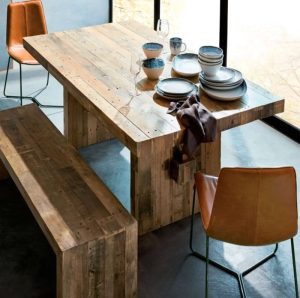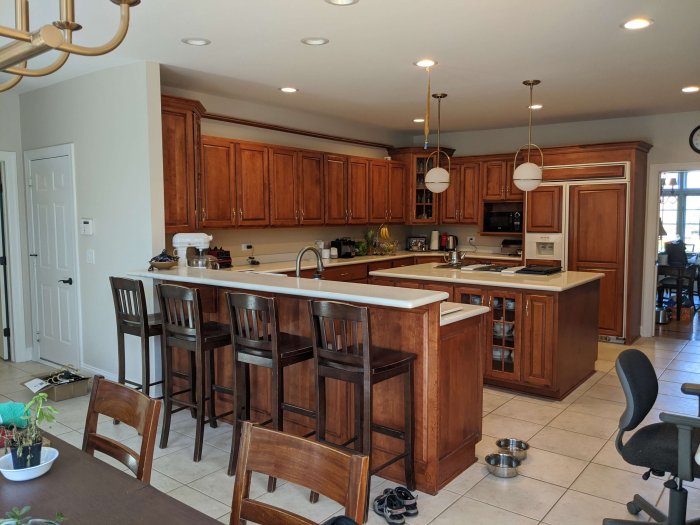
Embark on a journey to revamp your kitchen with innovative DIY upgrades that won’t break the bank. From installing new cabinets to repurposing old furniture, discover how to enhance your kitchen space effortlessly.
DIY Kitchen Upgrades
Looking to give your kitchen a fresh new look without breaking the bank? Check out these budget-friendly DIY kitchen upgrade ideas that will transform your space!
Installing New Kitchen Cabinets
Upgrading your kitchen cabinets can instantly elevate the look of your kitchen. Here’s a step-by-step guide to help you install new kitchen cabinets:
- Measure your space and choose the right size cabinets.
- Remove the old cabinets carefully to avoid damage.
- Install the upper cabinets first, starting from the corners.
- Secure the cabinets to the wall studs using screws.
- Install the lower cabinets and add the finishing touches.
Upgrading Kitchen Appliances for Energy Efficiency
Upgrading your kitchen appliances not only enhances the aesthetic appeal but also helps save energy. Here are the benefits of upgrading to energy-efficient appliances:
- Reduce energy consumption and lower utility bills.
- Contribute to a greener environment by reducing carbon footprint.
- Enjoy advanced features and technologies for improved efficiency.
Repurposing Old Furniture for a New Kitchen Look
Give your kitchen a unique touch by repurposing old furniture. Here’s how you can repurpose old furniture for a new kitchen look:
- Refinish old wooden furniture with a fresh coat of paint.
- Convert an old dresser into a kitchen island for added storage.
- Use an old bookshelf as open shelving for displaying kitchen essentials.
Home Inspections
Before diving into kitchen upgrades, it’s crucial to conduct a thorough inspection of your kitchen to identify any underlying issues that may need to be addressed.
Common Issues Found During Kitchen Inspections
- Leaky faucets or pipes
- Mold or mildew growth
- Faulty electrical wiring
- Improper ventilation
- Outdated appliances
Addressing Safety Concerns Discovered During a Kitchen Inspection
- Repair or replace leaky faucets and pipes immediately to prevent water damage.
- Address any mold or mildew growth by cleaning and disinfecting affected areas.
- Hire a professional to fix faulty electrical wiring to prevent fire hazards.
- Improve ventilation by installing a range hood or opening windows to reduce odors and moisture.
- Upgrade outdated appliances with energy-efficient models for improved safety and functionality.
Tips for Preparing Your Kitchen for a Professional Inspection
- Clear clutter and remove unnecessary items from countertops and cabinets.
- Clean and sanitize all surfaces, including appliances, sinks, and floors.
- Check for any signs of pests or insects and take necessary measures to eliminate them.
- Test smoke detectors and carbon monoxide alarms to ensure they are in working condition.
- Organize pantry and storage areas for easy access and inspection.
Kitchen Improvements
When it comes to upgrading your kitchen, there are several key areas to focus on that can make a big impact on both the functionality and aesthetics of the space.
Countertops
Choosing the right countertop can completely transform the look of your kitchen. Here are some popular options to consider:
- Granite: Known for its durability and natural beauty, granite countertops are a timeless choice that can add elegance to any kitchen.
- Quartz: Engineered quartz countertops are low-maintenance and come in a wide range of colors and patterns, making them a versatile option for any kitchen design.
- Butcher Block: For a warm and inviting look, butcher block countertops are a great choice. They require regular maintenance but can add a cozy feel to your kitchen.
Lighting
Upgrading your kitchen lighting can not only brighten up the space but also enhance its overall design. Here are some tips to consider:
- Under Cabinet Lighting: Installing under cabinet lighting can provide task lighting for food preparation and create a warm ambiance in the kitchen.
- Pendant Lights: Adding pendant lights above the kitchen island or dining area can create a focal point and add a touch of style to the space.
- LED Bulbs: Consider replacing old light bulbs with energy-efficient LED bulbs to save on energy costs and create a bright, well-lit kitchen.
Kitchen Island
Adding a kitchen island can provide additional storage, workspace, and seating options in your kitchen. Here are some benefits of incorporating a kitchen island:
- Extra Storage: Kitchen islands with cabinets or drawers can offer extra storage space for pots, pans, and small appliances.
- Work Surface: A kitchen island can serve as a versatile work surface for cooking, baking, or meal prep, making it a functional addition to any kitchen.
- Design Element: Kitchen islands come in various styles and finishes, allowing you to customize the look of your kitchen and create a focal point in the room.
Storage Solutions
Improving kitchen storage is essential for keeping your space organized and clutter-free. Here are some innovative solutions to maximize storage in your kitchen:
- Pull-Out Pantry: Installing a pull-out pantry can make use of narrow spaces and provide easy access to canned goods, spices, and other pantry items.
- Vertical Storage: Utilize vertical space by installing shelves or racks on walls to store pots, pans, and cooking utensils within reach.
- Drawer Organizers: Keep drawers neat and tidy by using dividers and organizers to separate utensils, cutlery, and other kitchen essentials.
Home Improvement and Furniture
When it comes to kitchen upgrades, choosing the right furniture pieces can make a significant impact on the overall look and functionality of the space. From cabinets to tables and chairs, each furniture item plays a crucial role in creating a cohesive and inviting kitchen environment.
Benefits of Custom-Built Furniture in Kitchen Renovations
Custom-built furniture offers the advantage of tailored solutions to fit your specific kitchen layout and design preferences. By opting for custom pieces, you can maximize space utilization, incorporate unique features, and ensure a perfect fit for your kitchen dimensions.
DIY Furniture Restoration Techniques for a Personalized Touch
Restoring old furniture pieces can add a touch of character and charm to your kitchen space. Techniques such as sanding, painting, staining, or reupholstering can breathe new life into outdated furniture, giving them a fresh and personalized look that complements your kitchen style.
Tips for Integrating Furniture into Kitchen Design for a Cohesive Look
- Choose furniture pieces that complement the overall color scheme and aesthetic of your kitchen.
- Consider the functionality of each furniture item and ensure they serve a practical purpose in the space.
- Mix and match different furniture styles for a unique and eclectic look, while maintaining visual harmony.
- Pay attention to scale and proportion when placing furniture in the kitchen to ensure a balanced and well-coordinated design.
Flooring
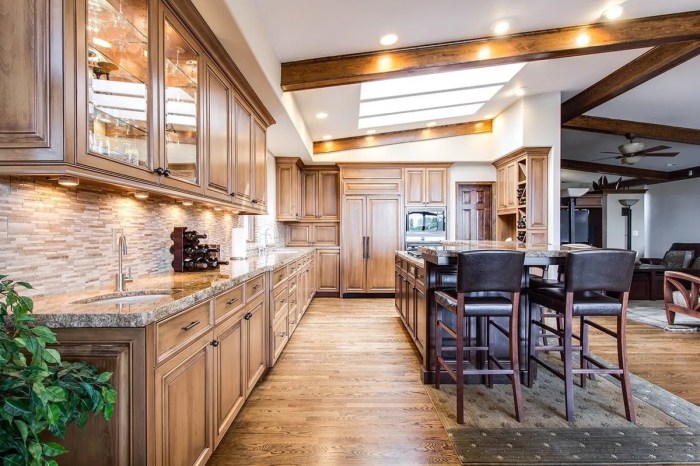
When it comes to kitchen flooring, durability and aesthetics are key factors to consider. Different flooring options offer varying levels of durability and visual appeal, so it’s important to weigh your options carefully before making a decision.Installing laminate flooring in a kitchen is a popular choice for many homeowners due to its affordability and ease of installation. Laminate flooring is also durable and easy to clean, making it a practical option for high-traffic areas like the kitchen.
Comparing Kitchen Flooring Options
- Tile flooring: Durable and easy to clean, but grout lines may require additional maintenance.
- Hardwood flooring: Timeless and elegant, but may be prone to water damage if not properly sealed.
- Vinyl flooring: Affordable and water-resistant, but can be less durable than other options.
- Cork flooring: Eco-friendly and comfortable to stand on, but may require regular resealing.
Maintaining and Cleaning Kitchen Flooring
- Regularly sweep or vacuum to remove dirt and debris that can scratch the surface.
- Use a damp mop with a mild cleaner suitable for your flooring type to clean up spills and stains.
- Avoid using harsh chemicals or abrasive tools that can damage the finish of your flooring.
- Consider using area rugs or mats in high-traffic areas to protect your flooring from wear and tear.
Choosing the Best Flooring Material for Your Kitchen
- Consider the amount of foot traffic your kitchen gets and choose a flooring material that can withstand it.
- Think about your lifestyle and how much time you can dedicate to maintenance and cleaning of your flooring.
- Take into account the overall design and style of your kitchen to ensure that your flooring complements the space.
- Consult with flooring professionals to get advice on the best flooring material for your specific needs and budget.
Green Living
In today’s world, it’s important to consider eco-friendly options when upgrading your kitchen. By choosing sustainable materials and products, implementing composting practices, reducing energy consumption, and creating a kitchen herb garden, you can make a positive impact on the environment.
Eco-Friendly Materials and Products
When upgrading your kitchen, opt for eco-friendly materials such as bamboo, reclaimed wood, recycled glass, or low-VOC paints. These choices not only reduce your carbon footprint but also contribute to a healthier indoor environment for you and your family.
Composting Benefits in Green Kitchen Design
Composting is a great way to reduce waste and create nutrient-rich soil for your garden. By separating food scraps and organic waste, you can minimize landfill contributions and promote sustainability in your kitchen design. Consider using a compost bin or setting up a compost pile in your backyard for optimal results.
Tips for Reducing Energy Consumption
To lower energy consumption in your kitchen, consider switching to energy-efficient appliances, using LED lighting, and insulating windows and doors. Simple habits like turning off lights when not in use, using lids while cooking, and air-drying dishes can also make a significant difference in reducing your carbon footprint.
Creating a Kitchen Herb Garden
Grow your own fresh and sustainable ingredients by setting up a kitchen herb garden. Whether you have a small indoor space or a backyard garden, herbs like basil, mint, parsley, and thyme can thrive with proper care. Not only will you have access to fresh flavors for your dishes, but you’ll also reduce your reliance on store-bought herbs packaged in plastic containers.
Interior Design and Decorating
When it comes to creating a modern aesthetic in your kitchen, interior design plays a crucial role in setting the tone and atmosphere of the space. From color schemes to accessorizing, every detail contributes to the overall look and feel of your kitchen.
Trends in Kitchen Interior Design
One popular trend in kitchen interior design is the use of sleek, minimalist styles with clean lines and simple finishes. This creates a contemporary look that is both stylish and functional.
Color Schemes and Patterns
- Neutral tones like white, grey, and beige are often used as the base colors in modern kitchens, creating a clean and timeless look.
- Adding a pop of color through accessories or a bold backsplash can add visual interest and personality to the space.
- Geometric patterns or textured surfaces can also be incorporated to add depth and dimension to the design.
Accessorizing and Styling
Accessorizing your kitchen with decorative elements like plants, artwork, or unique light fixtures can help tie the design together and create a cohesive look. Mixing textures and materials can also add visual interest and warmth to the space.
Principles of Design for Kitchen Layout
- Consider the workflow and functionality of your kitchen when planning the layout, ensuring that key areas like the stove, sink, and refrigerator are easily accessible.
- Utilize storage solutions like built-in cabinets, pull-out drawers, and pantry organizers to maximize space and keep the kitchen clutter-free.
- Balance aesthetics with functionality by incorporating practical elements like durable countertops, easy-to-clean materials, and efficient lighting.
Bath and Shower
When it comes to home design, the kitchen and bathroom are two of the most important spaces. Coordinating the design of these areas can create a cohesive and unified look throughout your home. In this section, we will discuss the connection between kitchen and bathroom design, share tips for coordinating upgrades, explain how to create a spa-like atmosphere, and detail the benefits of incorporating natural elements into the design of both spaces.
Coordinating Kitchen and Bathroom Upgrades
- Choose a color palette that flows seamlessly between the kitchen and bathroom to create a cohesive look.
- Use similar materials such as wood, stone, or tile to tie the two spaces together.
- Consider using the same hardware finishes in both rooms for a unified feel.
Creating a Spa-like Atmosphere
- Incorporate calming colors like blues, greens, and neutrals to create a tranquil environment.
- Add elements like candles, plants, and soft towels to enhance the spa-like vibe.
- Install a rainfall showerhead or a deep soaking tub for a luxurious bathing experience.
Incorporating Natural Elements
- Use natural materials like wood, stone, and bamboo to bring a sense of warmth and connection to the outdoors.
- Introduce plants and greenery into both spaces to improve air quality and add a touch of nature.
- Opt for organic textures and finishes to create a harmonious and inviting atmosphere.
House Plans
When it comes to incorporating kitchen upgrades into existing house plans, it is essential to consider the layout and flow of the space. Customizing house plans to accommodate a new kitchen layout can greatly enhance the functionality and aesthetics of your home. Kitchen placement is a crucial factor to consider in house plans as it can impact the overall design and accessibility of the space.
Open-concept house plans are becoming increasingly popular, with the kitchen often serving as a focal point in the layout.
Incorporating Kitchen Upgrades
One way to incorporate kitchen upgrades into existing house plans is to assess the current layout and identify areas for improvement. This may involve reconfiguring the space to create a more open and functional kitchen design. Consider factors such as traffic flow, natural light, and proximity to other living areas when making these changes.
- Remove walls to create an open-concept layout that seamlessly integrates the kitchen with other living spaces.
- Upgrade appliances, cabinetry, and countertops to enhance the overall look and functionality of the kitchen.
- Consider adding an island or breakfast bar for additional counter space and seating options.
Customizing House Plans
Customizing house plans to accommodate a new kitchen layout involves working closely with an architect or designer to create a space that meets your specific needs and preferences. Here are some tips for customizing house plans:
- Discuss your vision for the kitchen with your architect or designer to ensure that the layout aligns with your lifestyle and cooking habits.
- Consider the placement of windows, doors, and electrical outlets to optimize the functionality and aesthetics of the kitchen space.
- Choose durable and high-quality materials that will withstand the wear and tear of daily use.
Importance of Kitchen Placement
The placement of the kitchen in house plans can have a significant impact on the overall design and functionality of the space. When designing or renovating a home, it is crucial to consider the following:
“A well-placed kitchen can serve as the heart of the home, making it easy to entertain guests and prepare meals efficiently.”
Open-Concept House Plans
Open-concept house plans are characterized by a lack of walls or barriers between the kitchen, living, and dining areas. This layout creates a sense of spaciousness and connectivity throughout the home. Here are some examples of open-concept house plans that highlight the kitchen as a focal point:
| Example 1: A large kitchen island with seating that overlooks the living room, perfect for entertaining guests. |
| Example 2: Floor-to-ceiling windows in the kitchen area that flood the space with natural light and offer views of the outdoor landscape. |
Feng Shui
Incorporating Feng Shui principles into kitchen design can create a harmonious and balanced space that promotes positive energy flow and overall well-being.
When arranging elements in the kitchen according to Feng Shui guidelines, consider the following tips:
Arranging Kitchen Elements
- Avoid placing the stove directly opposite the sink to prevent clashes between the fire and water elements.
- Keep the kitchen well-organized and clutter-free to allow for smooth energy flow.
- Position the dining table where it receives natural light to enhance the dining experience.
- Integrate elements of nature, such as plants or herbs, into the kitchen to promote a sense of vitality and freshness.
Impact of Natural Light and Ventilation
Natural light and ventilation play a crucial role in kitchen Feng Shui as they contribute to the overall energy flow within the space. Here are some considerations:
- Ensure that windows are kept clean and unobstructed to allow natural light to enter the kitchen.
- Use light-colored curtains or blinds to soften harsh sunlight and create a gentle ambiance.
- Proper ventilation in the kitchen helps to disperse any stagnant energy and maintain a fresh and uplifting atmosphere.
Decluttering and Organizing Space
Decluttering and organizing the kitchen is essential for promoting positive energy flow and creating a harmonious environment. Follow these tips:
- Clear countertops of unnecessary items to create a sense of spaciousness and clarity.
- Store kitchen tools and utensils in designated areas to maintain order and efficiency in the cooking process.
- Avoid overcrowding cabinets and drawers to allow energy to circulate freely throughout the space.
- Regularly clean and maintain the kitchen to prevent the accumulation of negative energy and promote a sense of cleanliness and well-being.
Heating and Air Conditioning
Proper ventilation plays a crucial role in maintaining a healthy kitchen environment. It helps remove odors, smoke, and excess moisture, keeping the air clean and fresh.
Optimizing Heating and Cooling Systems
- Ensure proper insulation in the kitchen to prevent heat loss during the winter and keep the space cool in the summer.
- Regularly clean and maintain air ducts to improve the efficiency of heating and cooling systems.
- Consider installing a programmable thermostat to regulate temperature settings and save energy.
Energy-Efficient Heating and Air Conditioning Tips
- Use ceiling fans to circulate air and reduce the workload on heating and cooling systems.
- Seal any gaps around windows and doors to prevent air leakage and improve energy efficiency.
- Invest in energy-efficient appliances and HVAC systems to lower energy consumption and reduce utility bills.
Common HVAC Issues and Solutions
- Improper ventilation can lead to poor indoor air quality and mold growth. Installing exhaust fans can help address this issue.
- Inadequate maintenance of HVAC systems can result in reduced efficiency and higher energy costs. Regular servicing and filter replacements are essential to prevent this.
- Uneven heating or cooling in the kitchen may be due to blocked vents or ductwork issues. Ensuring proper airflow and addressing any obstructions can help maintain a comfortable temperature.
In conclusion, DIY kitchen upgrades offer a fantastic way to breathe new life into your cooking area. With a mix of creativity and practicality, you can achieve a stylish and functional kitchen that suits your taste and needs.
Essential Questionnaire
How can I choose the right kitchen countertops?
To choose the right kitchen countertops, consider factors like durability, maintenance, and design aesthetics that align with your kitchen upgrade goals.
What are some eco-friendly materials for sustainable kitchen upgrades?
You can opt for materials like bamboo, reclaimed wood, recycled glass, or composite materials for eco-friendly kitchen upgrades.
Is it possible to install laminate flooring in a kitchen?
Yes, laminate flooring is a suitable option for kitchens as it offers durability, easy maintenance, and a variety of design choices.