Step into the world of eco-friendly living with Green living products, where sustainability meets style and innovation. Discover a range of products designed to enhance your lifestyle while minimizing your environmental footprint.
Learn about the latest trends in green living and how they can transform your home into a haven of sustainability and wellness.
Green Living Products
Green living products are items that are designed and produced with the goal of minimizing negative impacts on the environment. These products are made from sustainable materials, are energy-efficient, and often biodegradable or recyclable. By choosing green living products, individuals can reduce their carbon footprint and contribute to a more sustainable future.
Examples of Popular Green Living Products
- Solar panels: These panels harness sunlight to generate electricity, reducing reliance on non-renewable energy sources.
- Reusable water bottles: By using a reusable bottle instead of single-use plastic bottles, individuals can help reduce plastic waste.
- LED light bulbs: LED bulbs are energy-efficient and have a longer lifespan compared to traditional incandescent bulbs.
- Organic cleaning products: These products are made from natural ingredients that are less harmful to the environment compared to conventional cleaning products.
Benefits of Using Green Living Products for Sustainability
- Reduced environmental impact: Green living products help conserve resources, reduce pollution, and minimize waste, leading to a healthier planet.
- Cost savings: While some green products may have a higher upfront cost, they often result in long-term savings due to increased efficiency and durability.
- Health benefits: Many green products are made from natural and non-toxic materials, which can be beneficial for both the environment and personal health.
- Supporting sustainable practices: By choosing green living products, individuals support companies that prioritize sustainability and encourage the adoption of eco-friendly practices.
Home Inspections
When purchasing a property, conducting a home inspection is crucial to ensure the safety, functionality, and overall condition of the house. Home inspections can reveal underlying issues that may not be visible during a casual walkthrough, helping buyers make informed decisions and avoid potential costly repairs in the future.
Key Areas in Home Inspections
- Structural integrity: Inspecting the foundation, walls, roof, and overall structure of the house for any signs of damage or wear.
- Electrical systems: Checking the wiring, outlets, circuit breaker, and electrical panel to ensure they are up to code and functioning properly.
- Plumbing: Examining pipes, faucets, water heaters, and drainage systems to identify leaks, water pressure issues, or potential water damage.
- HVAC systems: Assessing the heating, ventilation, and air conditioning systems to verify they are working efficiently and not in need of repairs.
- Appliances: Testing household appliances such as refrigerators, ovens, dishwashers, and laundry machines to confirm they are in working order.
Tips for Home Inspection Preparation
- Clean and declutter: Make sure the inspector has easy access to all areas of the house by decluttering and cleaning beforehand.
- Compile documentation: Gather any maintenance records, warranties, or renovation permits to provide to the inspector for reference.
- Be present: Attend the home inspection to ask questions, receive immediate feedback, and gain a better understanding of the property’s condition.
- Plan for additional inspections: Depending on the findings of the initial inspection, be prepared to schedule specialized inspections for further assessment.
Kitchen Improvements
When it comes to making eco-friendly improvements in your kitchen, there are plenty of options to consider. Not only can these changes help reduce your carbon footprint, but they can also create a healthier and more sustainable living environment for you and your family.
Eco-Friendly Kitchen Improvement Ideas
- Opt for Energy-Efficient Appliances: When upgrading your kitchen appliances, choose models that are ENERGY STAR certified to reduce energy consumption.
- Use Recycled or Sustainable Materials: Consider using materials like bamboo, reclaimed wood, or recycled glass for countertops, cabinets, and flooring.
- Install LED Lighting: LED lights are energy-efficient and can significantly reduce electricity usage in the kitchen.
- Compost Bin: Set up a compost bin in your kitchen to reduce food waste and create nutrient-rich soil for your garden.
Comparison of Traditional vs. Green Materials
| Traditional Materials | Green Alternatives |
|---|---|
| Granite Countertops | Recycled Glass Countertops |
| Vinyl Flooring | Bamboo Flooring |
| Plastic Cabinets | Reclaimed Wood Cabinets |
Impact of Sustainable Kitchen Improvements
- Reduced Energy Consumption: Energy-efficient appliances and lighting can lower electricity bills and reduce greenhouse gas emissions.
- Less Waste: Using recycled or sustainable materials helps minimize the amount of waste sent to landfills.
- Healthier Indoor Air Quality: Opting for eco-friendly materials can improve indoor air quality and reduce exposure to harmful chemicals.
Home Improvement and Furniture
When it comes to integrating green living products into home improvement projects, there are various ways to make your living space more sustainable and eco-friendly. One important aspect to consider is the furniture you choose for your home, as it plays a significant role in creating a green environment.
Choosing Sustainable Furniture
Choosing sustainable furniture is essential for creating a green home. Here are some tips to help you select eco-friendly furniture:
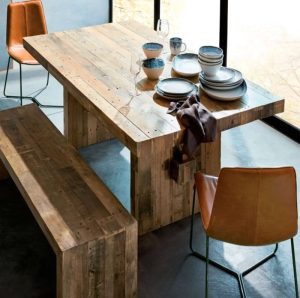
- Look for furniture made from reclaimed or recycled materials to minimize environmental impact.
- Opt for pieces that are certified by organizations like the Forest Stewardship Council (FSC) to ensure they come from responsibly managed forests.
- Avoid furniture with toxic chemicals or finishes that can harm your health and the environment.
- Consider buying second-hand furniture or upcycling old pieces to give them a new life and reduce waste.
The Role of Furniture in Creating an Eco-Friendly Living Space
Furniture plays a crucial role in creating an eco-friendly living space by not only adding functionality and aesthetic appeal but also contributing to sustainability. Here are some ways furniture can help you achieve a green home:
- Choosing multifunctional furniture can help you maximize space and reduce the need for excess pieces.
- Opting for durable furniture made from high-quality materials can decrease the frequency of replacements, reducing waste.
- Properly maintaining and caring for your furniture can prolong its lifespan and minimize the environmental impact of disposal.
- By selecting timeless and versatile pieces, you can create a sustainable interior design that withstands trends and promotes longevity.
Flooring
When it comes to environmentally friendly flooring options, there are several choices available that can help reduce your carbon footprint and promote sustainability. These options not only benefit the environment but also contribute to healthier indoor air quality in your home.
One popular choice for green flooring is bamboo. Bamboo is a fast-growing renewable resource that is durable and sustainable. It is available in various styles and colors, making it a versatile option for different spaces in your home. Another eco-friendly option is cork flooring, which is made from the bark of cork oak trees. Cork is a renewable material that is comfortable underfoot and provides excellent insulation.
Durability and Sustainability of Green Flooring
- Bamboo flooring is known for its durability and strength, making it a long-lasting option for high-traffic areas in your home. It is also resistant to moisture and insects, adding to its sustainability.
- Cork flooring is resilient and can withstand heavy foot traffic. It is also naturally resistant to mold, mildew, and pests, making it a durable and sustainable choice for various rooms.
- Linoleum flooring is another eco-friendly option that is made from natural materials like linseed oil, pine rosin, and wood flour. It is biodegradable and recyclable, making it an environmentally responsible choice for your home.
Installation and Maintenance of Green Flooring Materials
- When installing bamboo flooring, it is essential to acclimate the planks to the room’s humidity levels before installation to prevent warping. Regular sweeping and damp mopping are usually sufficient to maintain bamboo flooring’s appearance.
- Cork flooring installation typically involves gluing the tiles or planks to the subfloor. To maintain cork flooring, it is recommended to avoid standing water and use furniture pads to prevent scratches. Periodic sealing can help protect the surface from wear and tear.
- Linoleum flooring installation requires adhesive for proper adhering. It is essential to avoid harsh chemicals when cleaning linoleum floors to preserve their natural properties. Routine sweeping and occasional damp mopping can help maintain the flooring’s appearance.
Green Living
Living a green lifestyle involves making conscious choices to minimize your impact on the environment and reduce your carbon footprint. By adopting sustainable practices in your daily life, you can contribute to a healthier planet for future generations.
Principles of Green Living
- Reduce, Reuse, Recycle: Implement the 3 R’s in your daily routine to conserve resources and minimize waste.
- Conserve Energy: Use energy-efficient appliances, turn off lights when not in use, and consider renewable energy sources.
- Avoid Single-Use Plastics: Opt for reusable alternatives like stainless steel water bottles and cloth shopping bags.
- Eat Sustainably: Choose locally sourced, organic foods to support eco-friendly farming practices and reduce carbon emissions from transportation.
Small Changes for Sustainable Living
- Switch to LED light bulbs to save energy and reduce electricity bills.
- Use public transportation, carpool, bike, or walk instead of driving alone to reduce carbon emissions.
- Start a compost bin for food scraps and organic waste to create nutrient-rich soil for your garden.
- Plant native species in your garden to support local wildlife and reduce the need for watering and maintenance.
Long-Term Benefits of Green Living
- Improved Air Quality: By reducing pollution and emissions, green living practices can lead to cleaner air and better respiratory health.
- Cost Savings: Energy-efficient appliances, water-saving fixtures, and sustainable practices can lower utility bills in the long run.
- Environmental Preservation: Protecting natural resources and ecosystems through green living helps maintain biodiversity and reduce habitat destruction.
- Climate Change Mitigation: Embracing sustainable living habits can contribute to combating global warming and reducing greenhouse gas emissions.
Interior Design and Decorating
When it comes to interior design and decorating, incorporating green living products can not only enhance the aesthetic appeal of your space but also contribute to a healthier environment. Eco-friendly home decor is a growing trend that allows you to make sustainable choices without compromising on style.
Tips on Incorporating Green Living Products
- Choose furniture made from reclaimed or sustainable materials such as bamboo or recycled wood.
- Opt for non-toxic paint and finishes to reduce indoor air pollution.
- Integrate energy-efficient lighting fixtures and appliances to lower your carbon footprint.
Aesthetic Appeal of Eco-Friendly Home Decor
- Natural textures like jute, hemp, and organic cotton can add warmth and depth to your space.
- Plants and greenery not only improve air quality but also bring a touch of nature indoors.
- Recycled glass accents and upcycled decor items can create a unique and environmentally conscious design scheme.
Sustainable Interior Design Trends
- Minimalist design principles emphasize simplicity, functionality, and a focus on quality over quantity.
- Vintage and antique furniture pieces can be repurposed to give your home a timeless and eco-friendly look.
- Smart home technology integration allows for energy conservation and efficient use of resources.
Bath and Shower
When it comes to eco-friendly living, the bathroom is an important area to focus on. From water conservation to sustainable bath and shower routines, there are plenty of ways to make your daily hygiene practices more environmentally friendly.
Eco-Friendly Bath and Shower Products
Switching to eco-friendly bath and shower products is a great way to reduce your carbon footprint. Look for products that are biodegradable, free from harmful chemicals, and packaged in recyclable materials. Opt for natural ingredients like essential oils and plant extracts for a more sustainable option.
Importance of Water Conservation
Water conservation is crucial in the bathroom, as it is a space where a significant amount of water is used daily. Installing low-flow showerheads and faucets can help reduce water usage without compromising on water pressure. Additionally, taking shorter showers and turning off the tap while brushing your teeth can make a big difference in conserving water.
Tips for Creating a Sustainable Bath and Shower Routine
- Use a shower timer to keep your showers short and efficient.
- Collect and reuse water from your shower or bath to water plants or flush the toilet.
- Invest in a water-saving toilet or consider installing a dual-flush system.
- Choose bar soap instead of liquid soap to reduce packaging waste.
- Opt for bamboo or compostable bath accessories instead of plastic ones.
House Plans
Green building practices are becoming increasingly popular as people look for ways to reduce their carbon footprint and create more environmentally friendly homes. House plans play a crucial role in incorporating these practices to ensure energy efficiency and sustainability.When designing house plans with green building practices in mind, several key elements can contribute to energy efficiency in a home. These design elements include proper orientation of the house to maximize natural light and ventilation, the use of energy-efficient windows and doors, well-insulated walls and roofs, and the integration of renewable energy sources such as solar panels.Innovative green house plans often feature unique design elements that prioritize sustainability and energy efficiency.
For example, some green house plans may include passive solar design elements to take advantage of the sun’s natural heat, rainwater harvesting systems to reduce water usage, and green roofs to improve insulation and reduce stormwater runoff.
Design Elements for Energy Efficiency
- Proper orientation of the house for natural light and ventilation
- Energy-efficient windows and doors
- Well-insulated walls and roofs
- Integration of renewable energy sources like solar panels
Examples of Innovative Green House Plans
- Passive solar design elements
- Rainwater harvesting systems
- Green roofs for insulation and stormwater management
Feng Shui
Feng Shui is an ancient Chinese practice that focuses on creating harmony and balance in living spaces. When incorporating green living principles into Feng Shui practices, the result is a holistic approach to designing a home that not only promotes sustainability but also enhances well-being.The connection between sustainability and Feng Shui in home design lies in the belief that a well-balanced environment contributes to the overall health and prosperity of its inhabitants.
By using eco-friendly materials, maximizing natural light, and promoting good air circulation, you can create a space that not only feels good but also has a positive impact on the planet.
Tips for Creating a Harmonious and Eco-Friendly Living Environment
- Avoid clutter: Clutter disrupts the flow of energy, or “chi,” in a space. Keep your home organized and free of unnecessary items to promote a sense of calm and tranquility.
- Use natural materials: Incorporate elements such as wood, bamboo, and stone into your decor to bring the energy of nature indoors. These materials are not only sustainable but also add warmth and texture to your space.
- Balance the elements: In Feng Shui, there are five elements – wood, fire, earth, metal, and water. Create a harmonious balance of these elements in your home to promote energy flow and well-being.
- Maximize natural light: Allow as much natural light into your home as possible to create a sense of openness and connection to the outdoors. Use sheer curtains or blinds to control the amount of light entering your space.
- Integrate plants: Plants symbolize growth and vitality in Feng Shui. Incorporate indoor plants into your decor to purify the air, add a pop of color, and promote a sense of well-being.
Heating and Air Conditioning
When it comes to creating a sustainable living environment, energy-efficient heating and cooling options play a crucial role in reducing overall energy consumption. HVAC systems are a significant contributor to a household’s energy usage, making it essential to explore ways to optimize their efficiency for a greener lifestyle.
Energy-Efficient Heating and Cooling Options
- Consider installing a programmable thermostat to regulate temperature settings and reduce energy waste when heating or cooling your home.
- Invest in high-efficiency HVAC systems that are specifically designed to consume less energy while providing optimal heating and cooling performance.
- Explore alternative heating sources such as geothermal heat pumps or solar heating systems to reduce reliance on traditional fossil fuels.
Impact of HVAC Systems on Energy Consumption
- Older HVAC systems tend to be less energy-efficient, leading to higher energy consumption and increased utility costs.
- Regular maintenance of HVAC systems, including cleaning filters and ducts, can improve their efficiency and reduce energy waste.
- Proper insulation and sealing of windows and doors help prevent heat loss during colder months, reducing the workload on HVAC systems.
Tips for Maintaining and Optimizing Heating and Air Conditioning Systems
- Schedule annual HVAC inspections to ensure systems are running efficiently and identify any issues that may impact performance.
- Change air filters regularly to improve airflow and prevent dust and debris from affecting system efficiency.
- Consider upgrading to smart HVAC systems that can be controlled remotely and adjust settings based on occupancy, saving energy when rooms are unoccupied.
Explore the possibilities of incorporating green living products into every aspect of your life, from home design to daily routines, and witness the positive impact it can have on the planet and your well-being. Start your journey towards a greener future today.
Q&A
Are green living products more expensive than traditional ones?
While some green products may have a higher upfront cost, they often save money in the long run through energy efficiency and durability.
How can I find reliable green living products in the market?
Look for certifications like ENERGY STAR or eco-labels that indicate a product’s environmental credentials.
Do green living products really make a difference in reducing carbon footprint?
Yes, by choosing sustainable products, you contribute to reducing carbon emissions and promoting a healthier planet.