With Eco-friendly home improvements at the forefront, this paragraph opens a window to an amazing start and intrigue, inviting readers to embark on a storytelling casual formal language style filled with unexpected twists and insights.
Embark on a journey towards a greener lifestyle with these eco-friendly home improvement tips. From sustainable furniture choices to energy-efficient appliances, discover how small changes can make a big impact on your living space.
Home Inspections
When it comes to home inspections, paying attention to eco-friendly features is crucial for ensuring sustainability and energy efficiency. Eco-friendly homes not only benefit the environment but also contribute to lower utility bills and increased property value.
Key Areas to Focus on During an Eco-Friendly Home Inspection
- Insulation: Check the quality and condition of insulation in the walls, attic, and floors to ensure energy efficiency.
- Windows and Doors: Look for energy-efficient windows and doors that prevent heat loss and reduce the need for heating or cooling.
- Heating and Cooling Systems: Evaluate the age and efficiency of HVAC systems to determine if they are energy-efficient.
- Water Conservation: Check for low-flow fixtures and water-saving appliances to reduce water consumption.
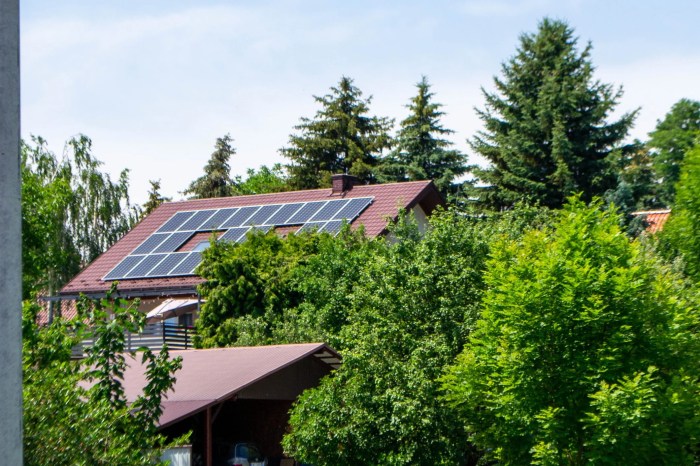
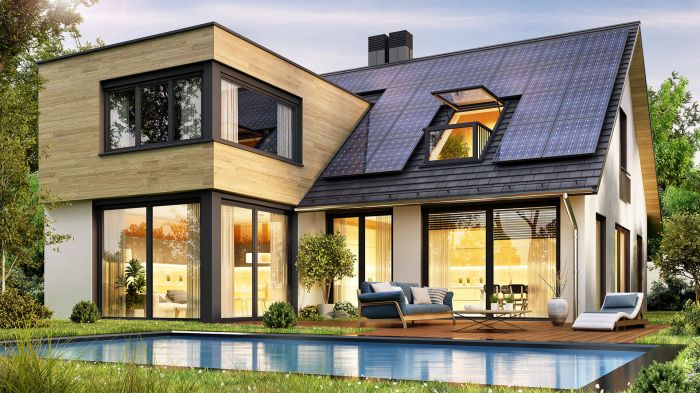
- Renewable Energy Sources: Assess the presence of solar panels or other renewable energy sources that can lower energy costs.
Energy-Efficient Appliances Impact on Home Inspection
Energy-efficient appliances play a significant role in a home inspection as they can demonstrate a commitment to sustainability and reduce energy consumption. When appliances such as refrigerators, washing machines, and dishwashers have high energy efficiency ratings, it indicates lower operating costs for the homeowner and reduces the overall environmental impact.
Kitchen Improvements
When it comes to eco-friendly kitchen improvements, choosing the right materials and appliances can make a significant impact on energy consumption and sustainability.
Eco-Friendly Materials for Kitchen Countertops and Cabinets
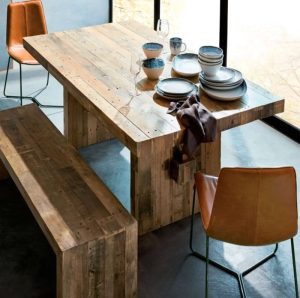
Opting for sustainable materials like bamboo, recycled glass, or reclaimed wood for kitchen countertops and cabinets can not only reduce the environmental impact but also add a unique aesthetic to your kitchen space.
Benefits of Installing Energy-Efficient Kitchen Appliances
- Energy-efficient appliances consume less electricity, leading to lower energy bills and reduced carbon footprint.
- These appliances often come with advanced features that help optimize energy usage, such as programmable settings and sensors.
- By investing in energy-efficient appliances, you contribute to a greener environment and support sustainable living practices.
Comparison of Traditional Kitchen Lighting with Eco-Friendly Alternatives
Traditional lighting fixtures like incandescent bulbs can be replaced with eco-friendly alternatives such as LED or CFL bulbs, which offer the following benefits:
- LED and CFL bulbs are more energy-efficient and have a longer lifespan than incandescent bulbs, reducing the need for frequent replacements.
- These eco-friendly lighting options produce less heat, helping to maintain a cooler kitchen environment and lower cooling costs during hot weather.
- Switching to LED or CFL bulbs can significantly decrease energy consumption and contribute to a more sustainable home environment.
Home Improvement and Furniture
When it comes to creating an eco-friendly home, the choice of furniture plays a significant role in contributing to sustainability. Sustainable furniture is typically made from responsibly sourced materials, such as reclaimed wood, bamboo, or recycled plastic. By opting for sustainable furniture, you are supporting environmentally friendly practices and reducing your carbon footprint.
Choosing Sustainable Furniture
- Look for furniture made from recycled materials or sustainably sourced wood to minimize environmental impact.
- Invest in pieces that are durable and timeless in design to reduce the need for frequent replacements.
- Consider furniture that is certified by reputable organizations like the Forest Stewardship Council (FSC) for sustainable forestry practices.
- Explore second-hand or vintage furniture options to give new life to pre-existing pieces and prevent them from ending up in landfills.
Repurposing Old Furniture
- Get creative with DIY projects to refurbish old furniture and give it a fresh look without contributing to waste.
- Consider painting, staining, or reupholstering old furniture to match your current decor style and extend its lifespan.
- Repurpose items like drawers into shelves, old doors into tables, or cabinets into plant stands for a sustainable home makeover.
- Donate or sell furniture you no longer need to prevent it from being discarded and promote reuse within your community.
Impact of Furniture Placement on Energy Efficiency
- Strategically place furniture to allow for natural light to enter the room and reduce the need for artificial lighting during the day.
- Avoid blocking air vents or radiators with furniture to ensure proper air circulation and heating efficiency.
- Position furniture away from windows to prevent heat loss during colder months and maintain a comfortable indoor temperature.
- Use furniture to create zones within a room, optimizing the layout for energy efficiency and maximizing space utilization.
Flooring
When it comes to eco-friendly flooring options for your home, there are several sustainable choices available that are both stylish and environmentally conscious. Choosing materials like bamboo, cork, or reclaimed wood can help reduce your carbon footprint and create a healthier indoor environment for you and your family.
Eco-friendly Flooring Options
- Bamboo: Bamboo is a fast-growing, renewable resource that can be harvested without causing harm to the environment. It is durable, easy to maintain, and comes in a variety of colors and styles.
- Cork: Cork is harvested from the bark of cork oak trees, which can regenerate after being stripped. It is a natural insulator, hypoallergenic, and resistant to mold and mildew.
- Reclaimed Wood: Using reclaimed wood from old buildings, barns, or shipping pallets is a sustainable option that adds character and history to your home. It can be refinished and repurposed for flooring, reducing the need for new materials.
Choosing Non-toxic and Sustainable Materials
- Look for flooring materials that are certified by organizations like the Forest Stewardship Council (FSC) or FloorScore, which ensure that the products meet strict environmental and health standards.
- Avoid materials that contain volatile organic compounds (VOCs) and formaldehyde, which can off-gas harmful chemicals into your home. Opt for low-VOC adhesives and finishes to minimize indoor air pollution.
- Consider the life cycle of the materials, including how they are produced, transported, installed, and disposed of. Choose materials that have a minimal impact on the environment throughout their entire lifespan.
Maintenance of Eco-friendly Flooring
- To maintain your eco-friendly flooring, use gentle, non-toxic cleaners that won’t damage the materials or leave a residue behind. Avoid harsh chemicals that can degrade the finish and compromise the sustainability of the flooring.
- Regularly sweep or vacuum your floors to remove dirt and debris that can scratch the surface. Place rugs or mats in high-traffic areas to protect the flooring from wear and tear.
- Follow the manufacturer’s guidelines for care and maintenance to ensure that your eco-friendly flooring stays beautiful and sustainable for years to come.
Green Living
Indoor plants, composting, and water conservation are essential components of a green living lifestyle. By incorporating these practices into your daily routine, you can create a healthier, more sustainable home environment.
Incorporating Indoor Plants
Indoor plants not only add a touch of nature to your living space but also help improve air quality by filtering out pollutants and releasing oxygen. Consider placing plants such as spider plants, peace lilies, or snake plants around your home to enhance the air quality and promote a sense of well-being.
Benefits of Composting
Composting is a great way to reduce waste and create nutrient-rich soil for your garden. By composting organic materials like fruit and vegetable scraps, coffee grounds, and yard waste, you can minimize your environmental impact and contribute to healthier soil and plants. Start a compost bin in your backyard or explore indoor composting options to make the most of your kitchen waste.
Reducing Water Usage
Conserving water is crucial for eco-friendly living. Simple steps like fixing leaks, installing low-flow faucets and showerheads, and collecting rainwater for outdoor use can significantly reduce water consumption in your household. By being mindful of your water usage and making small changes, you can contribute to water conservation efforts and lower your utility bills.
Interior Design and Decorating
Incorporating sustainable and eco-friendly elements into interior design and decorating can help create a healthier and more environmentally conscious living space. From utilizing natural materials to maximizing natural light, there are various ways to enhance the sustainability of your home’s interior.Natural lighting plays a crucial role in eco-friendly interior design as it reduces the need for artificial lighting, decreasing energy consumption.
Large windows, skylights, and light-colored walls can help maximize natural light flow throughout the space, creating a bright and welcoming environment while reducing electricity usage.
Sustainable Interior Design Elements
- Utilize reclaimed or recycled materials such as wood, metal, or glass to minimize environmental impact.
- Choose low-VOC paints and finishes to improve indoor air quality and reduce harmful emissions.
- Incorporate indoor plants to improve air quality and add a touch of nature to your space.
- Select energy-efficient appliances and fixtures to reduce electricity usage and lower utility bills.
Upcycling in Interior Decorating
Upcycling involves repurposing old or discarded items into new and useful pieces, adding a unique and sustainable touch to your interior design. Here are some ways to integrate upcycling into your decorating:
- Turn old wooden pallets into furniture pieces like coffee tables or bookshelves.
- Repurpose glass jars or bottles into decorative vases or candle holders.
- Refurbish vintage furniture pieces with new upholstery or paint for a fresh look.
- Create artwork from salvaged materials like driftwood, scrap metal, or reclaimed fabric.
Bath and Shower
When it comes to eco-friendly home improvements, the bathroom is an important area to focus on. Making sustainable choices in your bath and shower can have a positive impact on the environment.
Eco-Friendly Showerheads and Faucets
- Consider installing low-flow showerheads and faucets to reduce water consumption. These fixtures can help you save both water and energy.
- Look for WaterSense labeled products which meet EPA criteria for water efficiency. These products can help you lower your water bills while conserving resources.
- Opt for showerheads and faucets made from recycled materials to further reduce your environmental footprint.
Natural and Non-Toxic Bath Products
- Choose natural and non-toxic bath products to minimize your exposure to harmful chemicals and pollutants. Look for products with organic ingredients and eco-friendly packaging.
- Avoid products containing microbeads, parabens, and synthetic fragrances, as these can be harmful to both your health and the environment.
- Consider making your own bath products using simple ingredients like baking soda, vinegar, and essential oils for a more sustainable option.
Water-Saving Techniques
- Turn off the water while lathering up or shampooing to reduce water waste during your shower.
- Fix any leaks in your shower or faucet promptly to prevent water loss and save on your water bill.
- Consider taking shorter showers or switching to a water-efficient showerhead to further reduce your water consumption.
Furniture
When it comes to furniture, choosing eco-friendly options can make a significant impact on both the environment and your indoor air quality. Traditional furniture materials often involve harmful chemicals and unsustainable practices, while eco-friendly alternatives prioritize sustainability and health.
Comparing Traditional Materials with Eco-friendly Alternatives
Traditional furniture materials like particle board and plywood are often made with formaldehyde-based adhesives that can release harmful VOCs (volatile organic compounds) into the air. On the other hand, eco-friendly alternatives like reclaimed wood, bamboo, and FSC-certified wood are sourced sustainably and do not contain toxic chemicals.
- Reclaimed wood: Salvaged from old buildings or furniture, reducing the need for new materials and minimizing waste.
- Bamboo: A fast-growing and renewable resource that requires minimal pesticides and fertilizers to grow.
- FSC-certified wood: Certified by the Forest Stewardship Council to ensure responsible forestry practices and protect biodiversity.
Tips for Choosing Stylish and Sustainable Furniture
When shopping for furniture, consider the following tips to ensure you are making a stylish and sustainable choice:
- Look for certifications: Choose furniture with certifications like Cradle to Cradle, GREENGUARD, or FSC to ensure sustainability and low emissions.
- Opt for natural finishes: Avoid furniture with synthetic finishes that may contain harmful chemicals. Instead, choose pieces with natural finishes like beeswax or plant-based oils.
- Buy second-hand or vintage: Give new life to pre-owned furniture by shopping at thrift stores, online marketplaces, or antique shops.
Impact of Furniture on Indoor Air Quality
The furniture in your home can have a significant impact on indoor air quality, especially if it contains harmful chemicals like formaldehyde or flame retardants. By choosing eco-friendly furniture made from natural and non-toxic materials, you can reduce the risk of indoor air pollution and create a healthier living environment for you and your family.
House Plans
Incorporating eco-friendly features into house plans is essential for creating sustainable and energy-efficient homes. The orientation and layout of a house play a crucial role in maximizing natural light, ventilation, and overall energy efficiency. Let’s explore how passive solar design can be integrated into eco-friendly house plans to promote sustainable living.
Passive Solar Design in Eco-Friendly House Plans
Passive solar design focuses on utilizing the sun’s energy to heat and cool a home naturally, reducing the need for artificial heating and cooling systems. Here are some key elements of passive solar design that can be incorporated into eco-friendly house plans:
- Optimal Orientation: Positioning the house to maximize exposure to the sun’s path throughout the day can help regulate indoor temperatures and reduce energy consumption.
- Proper Shading: Incorporating overhangs, awnings, and deciduous trees to provide shade during the summer months and allow sunlight to enter during the winter months.
- Thermal Mass: Using materials like concrete, brick, or tile inside the house to absorb and store heat during the day and release it at night, maintaining a comfortable temperature.
- Natural Ventilation: Designing the layout of the house to encourage cross ventilation and airflow, reducing the need for mechanical cooling systems.
- Energy-Efficient Windows: Installing high-performance windows with low-emissivity coatings to minimize heat loss and gain, improving overall energy efficiency.
By incorporating these passive solar design principles into eco-friendly house plans, homeowners can significantly reduce their carbon footprint, lower energy bills, and create a healthier living environment for future generations.
Feng Shui
Feng Shui is an ancient Chinese practice that focuses on harmonizing individuals with their surrounding environment to promote positive energy flow and overall well-being. When it comes to eco-friendly home improvements, incorporating Feng Shui principles can further enhance the sustainable living experience.
Alignment with Eco-Friendly Practices
- Utilize natural materials such as bamboo, cork, or reclaimed wood for furniture and decor to create a connection with nature.
- Integrate energy-efficient lighting and appliances to reduce energy consumption and create a more balanced environment.
- Incorporate indoor plants to improve air quality and bring the vitality of nature indoors.
Positive Energy Flow
- Clear clutter and organize spaces to allow for the free flow of energy throughout the home.
- Position furniture to promote a smooth flow of energy and create a sense of balance in each room.
- Consider natural light sources and ventilation to enhance the overall energy and atmosphere of the living space.
Elements of Nature in Feng Shui
- Water features such as fountains or aquariums can introduce a calming element and promote the flow of positive energy.
- Earth tones and textures like stone or clay can ground the space and create a sense of stability.
- Integrate natural scents through essential oils or candles to stimulate the senses and create a harmonious environment.
Home Improvement
Investing in eco-friendly home improvements not only benefits the environment but also offers numerous advantages for homeowners. From reducing energy costs to improving indoor air quality, eco-friendly upgrades can enhance the overall comfort and sustainability of a home. Additionally, these improvements can increase property value and appeal to environmentally-conscious buyers in the future.
Benefits of Investing in Eco-Friendly Home Improvements
- Lower energy costs: Eco-friendly upgrades such as installing energy-efficient appliances, LED lighting, and smart thermostats can significantly reduce utility bills over time.
- Improved indoor air quality: Choosing non-toxic paints, low-VOC materials, and proper ventilation systems can enhance the health and well-being of residents.
- Reduced environmental impact: By using sustainable materials and practices, homeowners can contribute to conservation efforts and reduce their carbon footprint.
Cost-Effective Ways to Make Eco-Friendly Upgrades
- Seal air leaks: Caulking windows and doors, adding weatherstripping, and insulating attics can improve energy efficiency without breaking the bank.
- Upgrade to energy-efficient appliances: Investing in ENERGY STAR-rated appliances can save money on electricity bills while reducing environmental impact.
- Use recycled materials: Incorporating reclaimed wood, recycled glass, or repurposed furniture can add a unique touch to a home while promoting sustainability.
Long-Term Impact of Eco-Friendly Home Improvements on Property Value
- Increase resale value: Homes with eco-friendly features are often more attractive to buyers, leading to a higher resale value compared to traditional properties.
- Market demand: As eco-consciousness grows among consumers, properties with green upgrades tend to sell faster and at a premium in competitive real estate markets.
- Sustainability certification: Obtaining certifications such as LEED or ENERGY STAR for a home can further boost its value and appeal to environmentally-minded buyers.
Heating and Air Conditioning
When it comes to creating an eco-friendly home, one crucial aspect to consider is the heating and air conditioning systems. These systems play a significant role in the energy consumption of a household, making it essential to opt for energy-efficient solutions.
Energy-Efficient Heating and Cooling Systems
Investing in energy-efficient heating and cooling systems can significantly reduce the environmental impact of your home while also lowering your utility bills. Consider options such as heat pumps, geothermal systems, or high-efficiency furnaces and air conditioners to maximize energy savings.
Proper Insulation for Energy Efficiency
Proper insulation is key to reducing energy consumption in your home. Ensure that your walls, attic, and floors are well insulated to prevent heat loss in the winter and keep cool air inside during the summer. This not only improves the efficiency of your HVAC system but also enhances the overall comfort of your home.
Maintaining HVAC Systems for Optimal Efficiency
- Regularly replace air filters to ensure proper airflow and efficiency.
- Schedule annual maintenance checks with a professional HVAC technician to identify and address any issues promptly.
- Keep outdoor units clean and free of debris to prevent airflow restrictions.
- Consider installing a programmable thermostat to optimize energy usage based on your schedule.
Explore the endless possibilities of creating a sustainable and stylish home with eco-friendly upgrades. From reducing water usage to incorporating indoor plants, every step you take makes a difference in preserving the environment while enhancing your quality of life.
FAQ Resource
How can I incorporate eco-friendly features into my home inspection?
Focus on energy-efficient appliances, sustainable materials, and water-saving fixtures during the inspection process to ensure a greener living space.
What are some eco-friendly flooring options for my home?
You can choose from bamboo, cork, or reclaimed wood for environmentally friendly flooring that adds a touch of nature to your interiors.
Why is furniture placement important for energy efficiency?
Strategic furniture placement can optimize natural lighting and airflow, reducing the need for artificial lighting and heating, thus conserving energy.
How can I make my bathroom more eco-friendly?
Install water-saving showerheads and faucets, use natural bath products, and adopt water-saving techniques to create a sustainable bathroom space.