Embark on a journey of selecting the perfect heating system with our detailed guide on How to choose a new heating system. From understanding different types to considering energy efficiency, we’ve got you covered.
Explore the key factors that will help you make an informed decision when it comes to heating your space efficiently and effectively.
Factors to Consider When Choosing a New Heating System
When selecting a new heating system for your home, there are several key factors to keep in mind to ensure optimal comfort and efficiency.
Importance of Considering the Size of the Space to be Heated
One of the most crucial factors to consider when choosing a heating system is the size of the space that needs to be heated. A system that is too small will struggle to adequately heat a large area, while one that is too large may lead to energy waste and discomfort due to uneven heating.
Different Types of Heating Systems Available
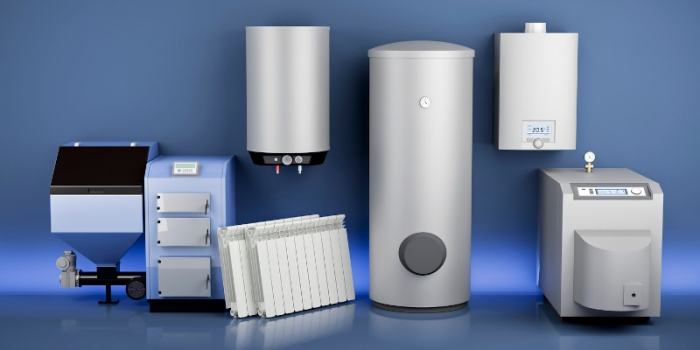
There are various types of heating systems available, each with its own set of advantages and considerations. Some common options include:
- Furnace: Utilizes a forced-air system to distribute heat throughout the home.
- Heat Pump: Transfers heat between the indoors and outdoors to regulate temperature.
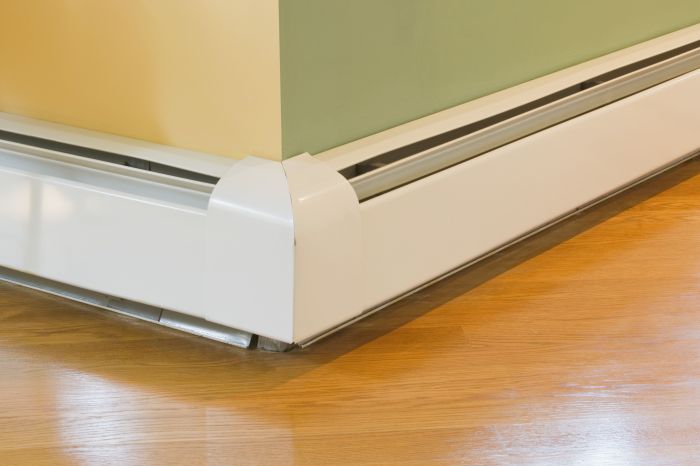
- Boiler: Uses hot water or steam to provide heat through radiators, baseboard heaters, or radiant floor systems.
Insights on Energy Efficiency Ratings
Energy efficiency ratings, such as SEER (Seasonal Energy Efficiency Ratio) and AFUE (Annual Fuel Utilization Efficiency), play a crucial role in determining the efficiency and cost-effectiveness of a heating system. Higher ratings indicate better efficiency, which can lead to lower energy bills and reduced environmental impact.
Cost Analysis and Budgeting
When considering a new heating system, it is crucial to analyze the costs involved to ensure it fits within your budget. This includes not only the initial purchase and installation expenses but also the long-term operational costs and maintenance fees.
Calculating Total Cost
- Start by researching the prices of different heating systems that meet your needs. Consider factors like the size of your home and energy efficiency ratings.
- Get quotes from multiple HVAC companies to compare prices for the purchase and installation of the system.
- Don’t forget to include any additional costs such as permits, ductwork modifications, or upgrades needed for the new system.
- Add up all these costs to determine the total expense of purchasing and installing the heating system.
Long-term Operational Costs
- Compare the energy efficiency ratings of different heating systems to estimate their long-term operational costs. A more energy-efficient system may have higher upfront costs but lower monthly utility bills.
- Consider the type of fuel required for the heating system and its availability and pricing in your area. Some fuels may be more cost-effective in the long run.
- Factor in regular maintenance costs, such as annual servicing and filter replacements, to ensure the system runs efficiently and lasts longer.
Initial Investment vs Long-term Savings
- While a high-efficiency heating system may cost more initially, it can lead to significant savings on energy bills over time. Calculate the potential savings based on your current energy usage and rates.
- Consider the lifespan of the heating system and its warranty coverage. A system with a longer warranty may save you money on repairs and replacements in the future.
- Look into available rebates, tax credits, or financing options that can help offset the initial costs of a more efficient heating system.
Environmental Impact and Sustainability
When it comes to choosing a new heating system, it’s important to consider the environmental impact and sustainability of the options available. Not only can your choice affect the environment, but it can also impact your energy bills and overall carbon footprint.
Environmental Impact of Different Heating Systems
- Gas heating systems: While natural gas is a relatively clean-burning fuel, the extraction and transportation process can release methane, a potent greenhouse gas. Gas heating systems also contribute to carbon emissions when in use.
- Electric heating systems: Electric heating systems are considered more environmentally friendly in regions with a high percentage of renewable energy sources. However, in areas where electricity is generated from fossil fuels, electric heating can still have a significant carbon footprint.
- Geothermal heating systems: Geothermal heating systems use the earth’s natural heat to warm your home, making them one of the most eco-friendly options available. They have minimal environmental impact and are highly sustainable.
Benefits of Choosing Eco-Friendly Heating Options
- Reduced carbon footprint: By opting for eco-friendly heating systems, you can significantly reduce your home’s carbon emissions, helping to combat climate change.
- Energy efficiency: Eco-friendly heating systems are often more energy-efficient, leading to lower energy bills and reduced overall energy consumption.
- Improved indoor air quality: Some eco-friendly heating systems, such as geothermal heat pumps, can improve indoor air quality by reducing the need for combustion and minimizing the circulation of allergens and pollutants.
Rebates and Incentives for Energy-Efficient Heating Systems
- Many governments and utility companies offer rebates or incentives for choosing energy-efficient heating systems. These incentives can help offset the upfront cost of installation and make eco-friendly options more affordable.
- Check with your local energy provider or government agencies to see what rebates or incentives are available in your area. Taking advantage of these programs can not only benefit the environment but also your wallet.
Installation and Maintenance Considerations
When it comes to choosing a new heating system, installation and maintenance are key factors to consider for optimal performance and longevity.
Professional Installation for Optimal Performance
Professional installation is crucial for ensuring that your new heating system operates efficiently and effectively. Improper installation can lead to performance issues, inefficiencies, and even safety hazards. It is recommended to hire certified technicians or professionals to install your heating system to guarantee that it is set up correctly.
Routine Maintenance Checklist
- Regularly change or clean air filters to maintain airflow and efficiency.
- Inspect and clean ductwork to prevent blockages and ensure proper airflow.
- Check and calibrate thermostats for accurate temperature control.
- Inspect and clean heating elements or burners for optimal performance.
- Schedule annual maintenance with a professional technician to identify and address any issues early on.
Service and Repair Options
It is essential to consider the availability of service and repair options when selecting a heating system. Different heating systems may require specific maintenance or repair procedures, so it is important to choose a system that has readily available parts and experienced technicians for servicing. Research the warranty coverage and service options provided by manufacturers to ensure that you have support when needed.
Integration with Smart Home Technology
Integrating a new heating system with smart home technology offers a range of benefits for homeowners. From increased convenience to enhanced energy efficiency, smart thermostats and automation features can revolutionize the way we heat our homes.
Benefits of Smart Home Integration
- Remote Access: Smart thermostats allow users to control the temperature of their homes from anywhere using a smartphone app. This feature is convenient for adjusting settings while away or coming home to a comfortable environment.
- Energy Savings: By learning your habits and preferences, smart thermostats can optimize heating schedules and temperatures, leading to reduced energy consumption and lower utility bills.
- Integration with Other Devices: Smart heating systems can be integrated with other smart home devices, such as voice assistants or occupancy sensors, for seamless automation and enhanced comfort.
Enhanced Heating Efficiency with Smart Thermostats
- Learning Algorithms: Smart thermostats use advanced algorithms to learn your heating patterns and adjust settings accordingly, ensuring optimal comfort and efficiency.
- Scheduling Capabilities: With programmable schedules, smart thermostats can adapt to your daily routines and preferences, minimizing energy waste during times when heating is not needed.
- Energy Monitoring: Some smart thermostats provide energy usage reports and tips for improving efficiency, empowering users to make informed decisions about their heating habits.
Automation for Comfort and Energy Savings
- Zoned Heating: Smart heating systems can divide a home into zones with individual temperature controls, allowing for personalized comfort levels and energy savings in unused areas.
- Adaptive Control: Automation features can adjust heating settings based on factors like weather conditions, occupancy, and insulation levels, optimizing energy usage without sacrificing comfort.
- Away Mode: Smart thermostats can detect when no one is home and automatically adjust the temperature to save energy, then return to the desired setting when occupants return.
Energy Source Options
When choosing a new heating system, one of the key considerations is the energy source it will use. Different energy sources have their own benefits and drawbacks, so it’s important to weigh your options carefully.
Natural Gas
Natural gas is a popular choice for heating systems due to its affordability and efficiency. It is a clean-burning fuel that produces fewer emissions compared to other fossil fuels. However, the availability of natural gas can vary depending on your location. It may not be an option in some rural areas or regions without gas pipelines.
Electricity
Electricity is a versatile energy source that can power a variety of heating systems, such as heat pumps and electric furnaces. While electric heating systems are often more expensive to operate than those using natural gas, they can be a good option in areas where natural gas is not available. Keep in mind that the cost of electricity can fluctuate based on demand and supply.
Propane
Propane is a portable and efficient fuel that is commonly used in areas where natural gas is not accessible. It is stored in tanks on the property and can be used for heating systems like furnaces, boilers, and space heaters. Propane is a clean-burning fuel, but it can be more costly than natural gas in some regions.
Solar
Solar energy is a renewable and sustainable energy source that can be used to power heating systems through solar panels or solar thermal systems. While the initial cost of installing solar panels can be high, they can provide long-term savings on energy bills. Solar energy is environmentally friendly and reduces reliance on traditional fossil fuels.
Compatibility with Existing Infrastructure
When choosing a new heating system, it is crucial to assess its compatibility with your home’s existing infrastructure to avoid any potential issues or complications.
Potential Upgrades or Modifications
Before installing a new heating system, you may need to consider making upgrades or modifications to your home’s infrastructure. This could involve updating ductwork, electrical systems, or even insulation to ensure the new system operates efficiently.
Tips for Seamless Integration
- Consult with a professional: Seek advice from HVAC specialists to determine the best way to integrate the new heating system with your existing infrastructure.
- Consider smart thermostats: Upgrading to a smart thermostat can help optimize the performance of your new heating system and enhance overall energy efficiency.
- Proper sizing: Ensure that the new heating system is appropriately sized for your home to prevent any strain on the existing infrastructure.
In conclusion, choosing a new heating system involves weighing various factors such as cost, environmental impact, and compatibility with existing infrastructure. By making a well-informed decision, you can ensure comfort and sustainability for years to come.
FAQ
What factors should I consider when choosing a new heating system?
Factors to consider include the size of the space, energy efficiency ratings, and the different types of heating systems available.
How do I calculate the total cost of purchasing and installing a new heating system?
To calculate the total cost, consider the initial investment, long-term operational costs, and maintenance expenses associated with the heating system.
Why is it important to evaluate the compatibility of a new heating system with existing infrastructure?
Ensuring compatibility helps in seamless integration without compromising the functionality of your home.