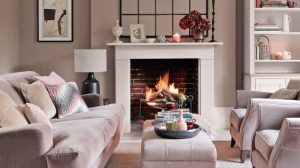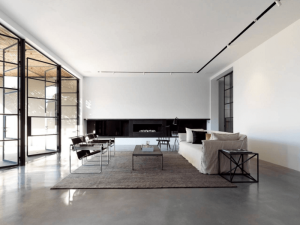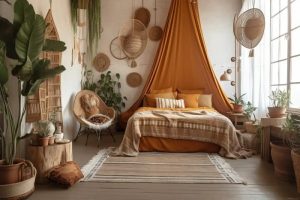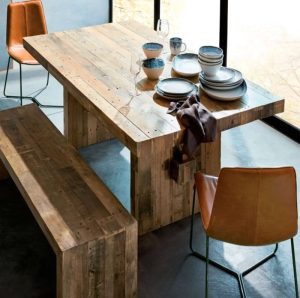
Step into the world of Feng Shui colors for the bedroom, where the right hues can transform your space into a sanctuary of relaxation and harmony. Discover how color choices can influence your sleep quality and energy levels, creating a balanced and peaceful atmosphere for rest and rejuvenation.
Explore the significance of Feng Shui colors in promoting a soothing environment and delve into the impact of different color schemes on the flow of energy within your bedroom.
Feng Shui Colors for Bedroom
When it comes to creating a harmonious and peaceful environment in your bedroom, choosing the right Feng Shui colors is crucial. These colors can greatly influence the energy flow in the room and impact your mood and well-being.
Best Feng Shui Colors for Promoting Relaxation and Sleep
The following colors are recommended for promoting relaxation and improving sleep quality in your bedroom:
- Soft blues and greens: These colors are calming and soothing, perfect for creating a tranquil atmosphere.
- Earth tones: Shades of brown, beige, and terracotta can create a grounding effect, promoting a sense of stability and security.
- Lavender: Known for its calming properties, lavender can help reduce stress and anxiety, making it easier to unwind and fall asleep.
How Different Colors Can Affect Energy Flow in a Bedroom
The color scheme you choose for your bedroom can impact the energy flow in the space. Here’s how different colors can influence the atmosphere:
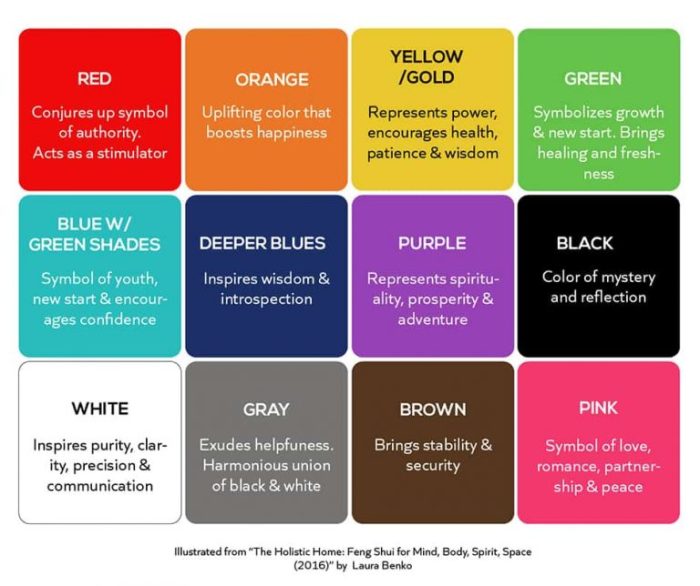
- Red: While red can energize a room, it may be too stimulating for a bedroom and interfere with relaxation and sleep.
- Yellow: Yellow can bring a sense of warmth and positivity, but it’s important to choose softer shades to avoid overstimulation.
- White: White symbolizes purity and cleanliness, but an all-white bedroom may lack warmth and coziness. Consider adding touches of other colors for balance.
Home Inspections
Home inspections are crucial for maintaining the safety and integrity of your home. Regular inspections can help identify potential issues early on, preventing costly repairs in the future.
Key Areas to Inspect
- Roof: Check for any missing or damaged shingles, signs of leaks, or sagging areas.
- Plumbing: Look for any leaks, water stains, or unusual odors that could indicate a problem.
- Electrical System: Test outlets, switches, and circuit breakers to ensure they are functioning properly.
- HVAC System: Inspect the heating and cooling systems, including filters and ductwork.
- Foundation: Check for cracks, water damage, or signs of settlement.
Importance of Regular Home Inspections
Regular home inspections are essential for maintaining the value of your property and ensuring the safety of everyone living in the home. By identifying issues early on, you can address them before they become major problems.
Tips for Home Inspection Preparation
- Clean and declutter your home to make it easier for inspectors to access key areas.
- Compile a list of any repairs or maintenance tasks you have completed recently.
- Make sure all utilities are turned on for the inspection, including water, gas, and electricity.
- Be prepared to ask questions and take notes during the inspection process.
Kitchen Improvements
When it comes to maximizing space in the kitchen, innovative ideas can make a big difference. Whether you have a small kitchen or just want to make the most of the space you have, there are plenty of ways to improve the functionality and aesthetics of your kitchen.
Maximizing Space
- Consider installing vertical storage solutions such as hanging racks or shelves to free up counter and cabinet space.
- Opt for multi-functional furniture like kitchen islands with built-in storage or pull-out drawers.
- Utilize the area above cabinets for extra storage by adding decorative baskets or bins.
Latest Trends
- Open shelving and glass-front cabinets are trending for a more airy and open feel in the kitchen.
- Mixed materials like combining wood and metal or concrete countertops are gaining popularity for a modern look.
- Smart kitchen appliances that can be controlled via smartphone are becoming increasingly sought after for convenience.
Budget-Friendly Enhancements
- Update cabinet hardware or add a fresh coat of paint for a quick and affordable refresh.
- Swap out old light fixtures for energy-efficient LED options to improve lighting and save on electricity bills.
- DIY projects like installing a new backsplash or organizing your pantry can make a big impact without breaking the bank.
Home Improvement and Furniture
When it comes to home improvement projects, selecting the right furniture is crucial in enhancing the overall design and aesthetics of your space. The right furniture can complement the new look of your home post-renovation, tying everything together seamlessly.
Choosing Furniture that Complements Home Design
Before selecting furniture for your renovated space, consider the style and theme of your home. Choose pieces that match the new color scheme and design elements that were incorporated during the renovation. This will ensure a cohesive and harmonious look throughout your home.
Impact of Furniture Placement
The placement of furniture can greatly impact the aesthetics of your home. Proper placement can make a room feel more spacious, inviting, and functional. Consider the flow of traffic in each room and ensure that furniture is arranged in a way that allows for easy movement and access to key areas.
Flooring
When it comes to flooring, choosing the right material is crucial for both durability and aesthetics. Different areas of the house may require different types of flooring, and proper maintenance is key to prolonging the lifespan of these materials.
Types of Flooring Materials
- Hardwood: Known for its warmth and natural beauty, hardwood is durable but may require refinishing over time to maintain its appearance.
- Laminate: A cost-effective alternative to hardwood, laminate is easy to install and comes in a variety of styles, but may not be as durable.
- Tile: Available in ceramic, porcelain, or stone, tile is water-resistant and easy to clean, making it ideal for areas prone to moisture like bathrooms and kitchens.
- Carpet: Soft and comfortable underfoot, carpet provides insulation and soundproofing, but may require regular cleaning to prevent stains and odors.
Best Flooring Options for Different Areas
- Kitchen: Tile or laminate flooring are popular choices for the kitchen due to their durability and easy maintenance.
- Living Room: Hardwood or carpet can add warmth and comfort to the living room, depending on personal preference.
- Bathroom: Tile is the go-to option for bathrooms as it is moisture-resistant and easy to clean.
- Bedroom: Carpet is a cozy choice for bedrooms, providing a soft surface to walk on and reducing noise.
Maintenance Tips for Flooring
- Regularly sweep or vacuum to remove dirt and debris that can scratch the surface of hardwood or laminate flooring.
- Use rugs or mats in high-traffic areas to protect the flooring and prevent wear and tear.
- Clean up spills immediately to prevent staining, especially on carpet or hardwood floors.
- Follow manufacturer’s guidelines for cleaning and maintenance to ensure the longevity of your flooring.
Furniture
In Feng Shui, furniture plays a crucial role in creating a harmonious living space. The type, placement, and quality of furniture can greatly impact the flow of energy (Chi) in your home.
Choosing Furniture Aligning with Feng Shui Principles
When selecting furniture for your home, it is essential to choose pieces that align with Feng Shui principles to promote positive energy. Here are some guidelines to consider:
- Avoid sharp edges and corners on furniture pieces as they can create negative energy flow. Opt for rounded edges or curved furniture instead.
- Select furniture made from natural materials like wood, bamboo, or rattan to bring in the grounding energy of nature.
- Ensure that your furniture is proportionate to the size of the room and allows for easy movement and flow of Chi.
- Place your furniture in a way that promotes balance and harmony, avoiding cluttered or cramped spaces.
Importance of Quality Furniture in Home Comfort and Style
Investing in quality furniture is crucial for creating a comfortable and stylish living environment. Quality pieces not only last longer but also contribute to the overall aesthetic and feel of your home. Here are some reasons why quality furniture is important:
- Quality furniture enhances the overall ambiance of your home, creating a welcoming and inviting space for you and your guests.
- Durable furniture ensures that you won’t have to replace pieces frequently, saving you time and money in the long run.
- Well-made furniture is often more comfortable and ergonomic, promoting better posture and physical well-being.
- High-quality furniture reflects your personal style and taste, adding a touch of elegance and sophistication to your living space.
Green Living
Green living involves incorporating sustainable practices into home living, which not only benefits the environment but also contributes to overall well-being.
Eco-Friendly Home Improvement Ideas
- Install energy-efficient appliances to reduce electricity consumption.
- Use low VOC paints to improve indoor air quality.
- Implement proper insulation to reduce heating and cooling costs.
Impact of Green Living
Green living plays a crucial role in reducing carbon footprint and preserving natural resources for future generations. By adopting eco-friendly practices, we can create a healthier living environment and contribute to a more sustainable planet.
Interior Design and Decorating
When it comes to interior design and decorating, staying up-to-date with the latest trends can help you transform your living space into a stylish and inviting home. Whether you prefer a modern, minimalist look or a cozy, rustic feel, there are endless possibilities to explore.
Latest Trends in Interior Design
- Neutral color palettes: Soft, soothing hues like beige, gray, and white are popular choices for creating a calming atmosphere in any room.
- Mixing textures: Combining different textures like wood, metal, and textiles adds visual interest and depth to your decor.
- Statement ceilings: Don’t forget to look up! Statement ceilings with bold colors or intricate designs can elevate the look of any room.
Creating a Cohesive Design Theme
- Choose a consistent color scheme: Pick a few key colors and use them throughout your home to create a unified look.
- Coordinate furniture styles: Mix and match furniture pieces that complement each other in terms of style, color, and scale.
- Accessorize strategically: Add decorative elements like rugs, throw pillows, and wall art that tie the room together.
Budget-Friendly Decorating Ideas
- DIY projects: Get creative and make your own decor items like artwork, planters, or shelving to add a personal touch to your space.
- Thrift store finds: Hunt for unique and affordable pieces at thrift stores or flea markets to add character to your home.
- Repurpose and upcycle: Give old furniture a new life by painting, reupholstering, or repurposing items for a fresh look without breaking the bank.
Bath and Shower
When it comes to designing a bathroom, the bath and shower area play a crucial role in creating a relaxing and rejuvenating space. Proper ventilation and lighting are essential for maintaining a comfortable and functional bathroom environment. Additionally, choosing the right fixtures and accessories can enhance the overall aesthetic and functionality of the space.
Innovative Designs for Bath and Shower
When considering bath and shower designs, it’s important to prioritize relaxation and rejuvenation. Innovative designs such as walk-in showers with rain showerheads, freestanding soaking tubs, and steam showers can elevate the bathing experience. These features not only add luxury to the space but also promote a sense of calm and tranquility.
Importance of Proper Ventilation and Lighting
Proper ventilation is crucial in a bathroom to prevent moisture buildup, which can lead to mold and mildew growth. Installing exhaust fans or windows can help improve air circulation and maintain a fresh environment. Adequate lighting is also essential for tasks such as grooming and makeup application. Consider incorporating a mix of overhead lighting, vanity lights, and natural light to create a well-lit and inviting space.
Choosing Fixtures and Accessories
When selecting fixtures and accessories for your bathroom, focus on functionality and style. Opt for high-quality materials that are durable and easy to maintain. Choose fixtures such as faucets, showerheads, and towel bars that complement the overall design aesthetic. Accessories like mirrors, storage solutions, and decorative accents can add personality and charm to the space.
House Plans
When it comes to creating the perfect living space, well-designed house plans play a crucial role in maximizing space and functionality. A carefully thought-out floor plan can make a significant difference in how a home feels and functions for its occupants.
Architectural styles can vary widely, each with its own unique features and characteristics. From modern and minimalist designs to traditional and rustic styles, there are endless options to choose from when customizing a house plan to suit individual preferences and needs.
Popular Architectural Styles
- Modern: Known for clean lines, open spaces, and minimal clutter. Incorporates large windows and natural materials.
- Traditional: Features classic design elements such as gabled roofs, symmetrical facades, and formal living spaces.
- Colonial: Characterized by symmetry, brick or wood siding, and decorative crown molding.
- Craftsman: Emphasizes natural materials, handcrafted details, and cozy, inviting spaces.
Customizing House Plans
- Consider your lifestyle and how you use your space on a daily basis when customizing a house plan.
- Think about the flow of the home and how each room connects to the next for a seamless living experience.
- Personalize the design by adding unique features or amenities that cater to your specific needs, such as a home office, outdoor living space, or a gourmet kitchen.
Heating and Air Conditioning
When it comes to heating and air conditioning systems, it’s essential to consider both efficiency and cost to ensure optimal performance in your home.
Efficiency of Different Systems
There are various heating and air conditioning systems available, each with its own level of efficiency. For example, heat pumps are known for their energy efficiency as they transfer heat rather than generate it, while traditional furnaces may be less efficient but more cost-effective upfront.
- Heat pumps can be more expensive to install initially but typically result in lower energy bills over time.
- On the other hand, a gas furnace may have a lower purchase price but higher operating costs due to gas prices.
- Consider the climate in your area and the size of your home when choosing the most efficient system for your needs.
Importance of Proper Insulation
Proper insulation is crucial for energy efficiency when it comes to heating and air conditioning. Without adequate insulation, your systems have to work harder to maintain a comfortable temperature, leading to higher energy bills and potential system failures.
- Ensure your home is well-insulated in key areas such as walls, attics, and floors to prevent heat loss in the winter and heat gain in the summer.
- Consider upgrading your insulation to improve energy efficiency and reduce the strain on your heating and cooling systems.
Maintaining Heating and Cooling Systems
Regular maintenance is key to keeping your heating and cooling systems running smoothly and efficiently. By following these tips, you can prolong the life of your systems and prevent costly repairs.
- Change air filters regularly to improve airflow and efficiency.
- Schedule annual inspections and tune-ups to catch any issues before they become major problems.
- Keep outdoor units clear of debris and vegetation to ensure proper airflow.
- Consider investing in a programmable thermostat to optimize energy usage based on your schedule.
Immerse yourself in the world of Feng Shui colors for the bedroom and unlock the secrets to creating a harmonious and serene living space. With the right color palette, you can enhance your well-being and transform your bedroom into a tranquil retreat that nurtures body and soul.
Clarifying Questions
What are the best Feng Shui colors for promoting relaxation in the bedroom?
The best Feng Shui colors for promoting relaxation in the bedroom are soft, soothing tones like pale blue, lavender, and sage green. These colors create a calming atmosphere conducive to rest and rejuvenation.
How do different colors affect the energy flow in a bedroom according to Feng Shui?
According to Feng Shui principles, different colors can either enhance or disrupt the flow of energy in a bedroom. For example, warm colors like red and orange are believed to stimulate energy, while cool colors like blue and green promote relaxation and tranquility.