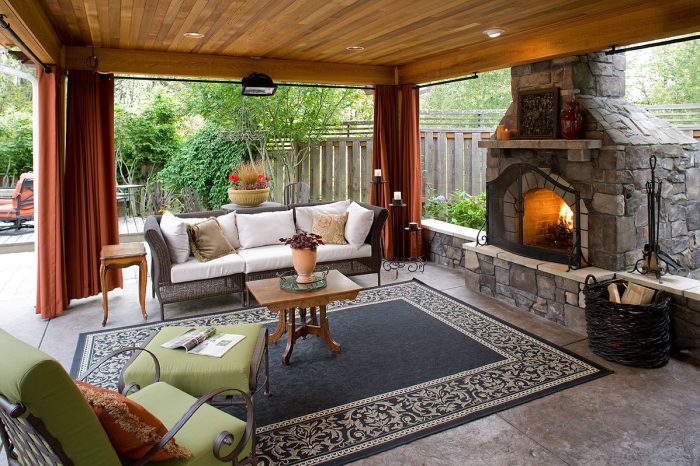
As Outdoor living space home improvements takes center stage, this opening passage beckons readers with casual formal language style into a world crafted with good knowledge, ensuring a reading experience that is both absorbing and distinctly original.
When it comes to upgrading your outdoor living spaces, there are countless benefits to explore. From creating functional areas for entertainment and relaxation to enhancing the overall appeal of your home, the possibilities are endless. Let’s dive into the realm of outdoor living space home improvements and discover how you can transform your outdoor areas into inviting spaces that cater to your lifestyle.
Outdoor Living Space Home Improvements
Upgrading outdoor living spaces can have numerous benefits for homeowners. Not only does it increase the overall value of the property, but it also provides a space for relaxation, entertainment, and dining.
Creating functional outdoor areas is essential for maximizing the use of the space. By designing outdoor spaces that cater to different purposes, homeowners can make the most out of their outdoor areas throughout the year.
Enhancing Outdoor Spaces for Different Purposes
- Entertainment: Consider adding a patio or deck with comfortable seating arrangements, outdoor lighting, and a fire pit or outdoor kitchen for hosting gatherings and parties.
- Relaxation: Create a tranquil oasis with a cozy seating area, hammocks, a water feature, and lush greenery to unwind and de-stress after a long day.
- Dining: Set up a dining area with a sturdy dining table, chairs, and a grill or outdoor kitchen for enjoying meals in the fresh air with family and friends.
Home Inspections
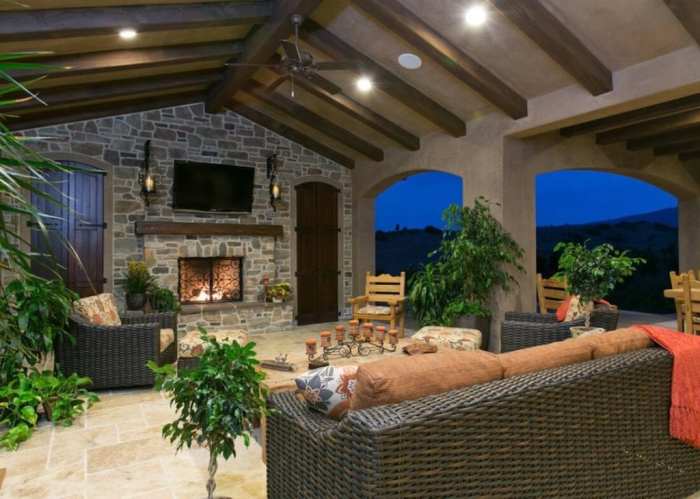
Regular home inspections are essential for maintaining the structural integrity and safety of a home. By identifying issues early on, homeowners can prevent costly repairs in the long run. Key areas in a home that require inspection include the roof, foundation, electrical system, plumbing, and HVAC system.
Key Areas for Inspection
- Roof: Inspecting the roof for any signs of damage, leaks, or missing shingles can help prevent water damage and mold growth.
- Foundation: Checking the foundation for cracks, settlement, or water intrusion is crucial to ensure the stability of the home.
- Electrical System: Inspecting the electrical system for faulty wiring, outdated components, or potential fire hazards can prevent electrical issues.
- Plumbing: Checking the plumbing system for leaks, clogs, or corrosion can help avoid water damage and costly repairs.
- HVAC System: Regular maintenance and inspection of the heating, ventilation, and air conditioning system can improve energy efficiency and prevent breakdowns.
Kitchen Improvements
When it comes to renovating a kitchen on a budget, there are several tips to keep in mind. One of the most cost-effective ways to give your kitchen a fresh look is by simply painting the cabinets and changing the hardware. This can make a huge difference without breaking the bank. Another budget-friendly option is to update the backsplash with peel-and-stick tiles, which are easy to install and come in a variety of designs.
Maximizing Storage and Functionality
One of the key elements of a well-designed kitchen is maximizing storage and functionality. Consider installing pull-out shelves in cabinets to make it easier to access pots, pans, and other items. Utilize vertical space with wall-mounted shelves or racks to store cookware or display decorative items. Installing a kitchen island with built-in storage can also provide additional workspace and organization.
Latest Trends in Kitchen Design
- Open Shelving: Open shelving has become a popular trend in kitchen design, allowing homeowners to display dishes, glassware, and other items while creating an open and airy feel.
- Smart Appliances: Integrating smart appliances into the kitchen can enhance efficiency and convenience. From refrigerators with touchscreens to voice-activated faucets, technology is revolutionizing the way we cook and entertain.
- Dark Colors: Dark-colored cabinets and countertops are making a comeback in kitchen design, adding a touch of sophistication and drama to the space.
Home Improvement and Furniture
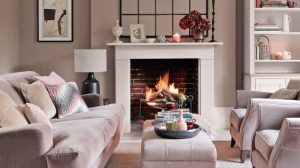
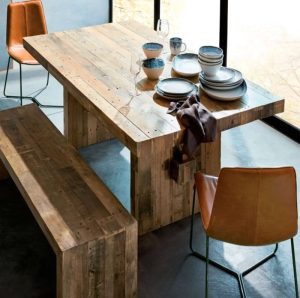
When it comes to home improvement projects, the choice of furniture plays a crucial role in transforming living spaces. The right furniture can enhance the aesthetics, functionality, and overall ambiance of a room, making it essential to carefully consider furniture options during the renovation process.
Quality furniture not only adds style and comfort to a home but also contributes to the durability and longevity of the living space. Investing in well-made furniture pieces can significantly impact the overall look and feel of a room, elevating the home improvement project to a whole new level.
Selecting Furniture for Home Decor
- Consider the style and theme of your home decor when choosing furniture pieces to ensure a cohesive look throughout the space.
- Opt for furniture that complements the existing color palette and design elements of the room for a harmonious and balanced aesthetic.
- Take into account the size and layout of the room to select furniture that fits well and does not overcrowd the space, allowing for easy movement and a comfortable environment.
- Look for furniture that not only looks good but is also functional and practical, meeting your specific needs and lifestyle requirements.
- Pay attention to the material and construction of the furniture to ensure durability and longevity, as well as comfort and visual appeal.
Flooring
When it comes to flooring options for indoor and outdoor spaces, there are several materials to choose from. Each type of flooring has its own benefits in terms of durability, maintenance, and aesthetic appeal. Selecting the right flooring material is essential to ensure it fits your lifestyle and design preferences.
Types of Flooring
- Hardwood: Known for its timeless beauty and durability, hardwood flooring adds warmth and elegance to any space. It requires regular maintenance to keep it looking its best.
- Laminate: A cost-effective alternative to hardwood, laminate flooring is easy to install and maintain. It is also scratch and stain-resistant, making it a practical choice for high-traffic areas.
- Tile: Available in a variety of materials such as ceramic, porcelain, and natural stone, tile flooring is water-resistant and easy to clean. It is a popular choice for kitchens, bathrooms, and outdoor patios.
- Vinyl: Vinyl flooring is durable, budget-friendly, and available in a wide range of styles and colors. It is easy to install and maintain, making it a versatile option for both indoor and outdoor spaces.
- Carpet: Soft and comfortable underfoot, carpet flooring provides insulation and noise reduction. It comes in a wide range of colors and textures, offering endless design possibilities.
Green Living
When it comes to home improvement, incorporating green living practices is not only beneficial for the environment but also for your overall well-being. Sustainable living focuses on reducing our carbon footprint and making eco-friendly choices to create a healthier living space.
Eco-Friendly Home Improvement Ideas
There are several ways to reduce your carbon footprint and create a more sustainable home. Here are some eco-friendly home improvement ideas:
- Install energy-efficient appliances to save energy and reduce utility bills.
- Use low-VOC paints and finishes to improve indoor air quality.
- Implement a rainwater harvesting system to reduce water wastage.
- Incorporate renewable energy sources like solar panels to power your home.
- Choose sustainable materials such as bamboo flooring or reclaimed wood for your home renovations.
Benefits of Green Elements in Home Design
Integrating green elements into your home design and renovations can have numerous benefits, including:
- Reduced energy consumption and lower utility bills.
- Improved indoor air quality for a healthier living environment.
- Decreased carbon footprint and environmental impact.
- Increased property value and marketability.
- Enhanced overall well-being and quality of life for you and your family.
Interior Design and Decorating
Creating a cohesive interior design scheme is essential for transforming a house into a home. It involves combining elements such as color, furniture, lighting, and accessories to create a harmonious and visually appealing space.
Tips for Creating a Cohesive Interior Design Scheme:
- Choose a color palette and stick to it throughout the space to maintain consistency and flow.
- Consider the scale and proportion of furniture to ensure balance in the room.
- Layer different textures and materials to add depth and interest to the design.
- Use lighting strategically to highlight focal points and create ambiance.
The Role of Decor in Enhancing the Aesthetics of a Living Space:
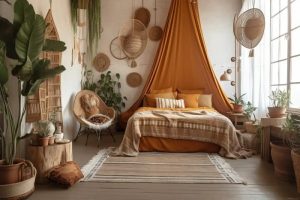
Decor plays a crucial role in enhancing the aesthetics of a living space by adding personality and character. It helps to reflect the homeowner’s style and interests while creating a welcoming and inviting atmosphere.
Ideas for Incorporating Personal Style into Home Decor:
- Showcase personal collections or artwork to add a unique touch to the space.
- Mix and match different design styles to create a personalized and eclectic look.
- Use accessories such as throw pillows, rugs, and decorative objects to infuse personality into the decor.
- Experiment with different color combinations and patterns to showcase individuality and creativity.
Bath and Shower
When it comes to bathroom renovations, the choice of shower and bath fixtures can make a significant impact on the overall design and functionality of the space. From luxurious showers to elegant bathtubs, there are various options to consider for upgrading your bathroom.
Types of Shower and Bath Fixtures
- Rainfall Shower Heads: These oversized shower heads provide a luxurious and soothing shower experience, mimicking the sensation of standing in a gentle rain shower.
- Freestanding Bathtubs: Elegant and stylish, freestanding bathtubs can become a focal point in the bathroom, adding a touch of luxury and sophistication to the space.
- Steam Showers: For a spa-like experience at home, consider installing a steam shower with built-in steam generators that can help relax muscles and rejuvenate the body.
- Walk-in Showers: Ideal for modern and minimalist designs, walk-in showers offer a spacious and open feel, perfect for those who prefer a quick and convenient shower experience.
Latest Trends in Bathroom Design
- Smart Technology Integration: From digital shower controls to heated floors, smart technology is increasingly being integrated into bathroom fixtures for added convenience and luxury.
- Statement Tiles: Bold and patterned tiles are making a comeback in bathroom design, adding personality and style to the space.
- Mixed Metals: Mixing different metal finishes, such as brass, chrome, and matte black, can create a sophisticated and dynamic look in the bathroom.
Creating a Spa-like Experience
- Upgrade to a Jacuzzi or whirlpool bathtub for a relaxing and therapeutic bathing experience.
- Install dimmable lighting and scented candles to create a calming ambiance in the bathroom.
- Incorporate plush towels, bathrobes, and bath mats for a luxurious feel.
- Add a bench or seating area in the shower for a comfortable and spa-like experience.
House Plans
When embarking on home improvements, having a well-designed house plan is crucial for ensuring a successful renovation project. A house plan serves as a roadmap for the project, guiding the layout, functionality, and overall design of the space. Without a clear and detailed plan in place, renovations can become disorganized, costly, and may not achieve the desired results.
Key Considerations for House Plan Design
- Assess the existing layout: Before designing a house plan for renovation projects, it is essential to evaluate the current layout of the space. Identify areas that need improvement, consider any structural limitations, and determine which elements can be preserved or repurposed.
- Define your goals: Clearly Artikel your goals and priorities for the renovation. Whether you aim to increase storage space, improve functionality, or enhance the aesthetic appeal of the area, establishing clear objectives will help guide the design process.
- Consider the flow of the space: Optimize the layout of the house plan to ensure smooth circulation and functionality. Create designated zones for different activities, such as cooking, dining, and relaxing, while maintaining a cohesive flow between each area.
- Budget and timeline: Set a realistic budget and timeline for the renovation project. Factor in costs for materials, labor, and any unexpected expenses that may arise. Establishing a timeline will help ensure that the project stays on track and is completed efficiently.
Tips for Optimizing Space and Layout
- Utilize vertical space: Maximize storage and functionality by utilizing vertical space, such as installing wall-mounted shelves, cabinets, or storage units. This can help free up floor space and create a more organized and efficient layout.
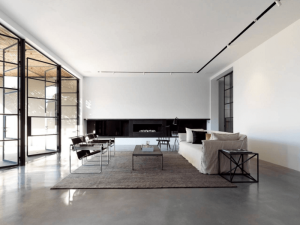
- Open concept design: Consider incorporating an open concept design to create a sense of spaciousness and connectivity within the space. Removing walls or barriers between rooms can enhance natural light, airflow, and visual continuity throughout the home.
- Multipurpose furniture: Choose furniture pieces that serve multiple functions, such as a sofa bed or a dining table with storage compartments. This can help save space and optimize the layout for diverse activities within the home.
- Lighting and color scheme: Incorporate strategic lighting and a cohesive color scheme to enhance the ambiance and functionality of the space. Natural light, task lighting, and accent lighting can help illuminate different areas of the home, while a harmonious color palette can create a unified and inviting atmosphere.
Feng Shui
Feng Shui is an ancient Chinese practice that focuses on harmonizing individuals with their surrounding environment. It is based on the belief that the arrangement of objects in a space can affect the flow of energy, or “chi,” and subsequently influence aspects of a person’s life such as health, wealth, and relationships.
Impact on Home Design
Feng Shui principles can have a significant impact on home design by creating a balanced and harmonious living space. By following guidelines such as the placement of furniture, colors, and materials, homeowners can create a more positive and supportive environment that promotes well-being and prosperity.
Improving Energy Flow
To improve the flow of energy in living spaces, it is essential to declutter and organize the home to allow chi to flow freely. Incorporating elements such as natural light, plants, and water features can also help enhance the flow of positive energy throughout the space. Additionally, using mirrors strategically can help reflect and amplify the existing energy in the room.
Incorporating Feng Shui Elements
When making home improvements, consider incorporating Feng Shui elements such as using the five elements (wood, fire, earth, metal, water) in the design scheme to create a balanced environment. Pay attention to the Bagua map to determine areas of the home that correspond to different aspects of life and make adjustments accordingly. Selecting furniture with rounded edges, incorporating natural materials, and incorporating symbols of abundance can also enhance the Feng Shui of a space.
Heating and Air Conditioning
Proper heating and air conditioning systems play a crucial role in maintaining a comfortable home environment. Whether it’s staying warm during the winter months or keeping cool in the summer, a well-functioning HVAC system is essential for overall well-being.
Types of HVAC Systems and Efficiency
When it comes to heating and air conditioning, there are several types of systems available, each with its own level of efficiency. Some common options include:
- Central Air Conditioning: This system uses ducts to distribute cooled air throughout the house, providing consistent temperature control.
- Heat Pumps: Heat pumps can both heat and cool a home by transferring heat between the indoors and outdoors.
- Ductless Mini-Split Systems: These systems are ideal for homes without ductwork, offering zoned heating and cooling for better energy efficiency.
It’s important to consider the size of your home, climate, and energy efficiency ratings when choosing the right HVAC system for your needs.
Maintaining and Upgrading HVAC Systems
Proper maintenance is key to ensuring your heating and cooling systems operate efficiently. Here are some tips for maintaining and upgrading your HVAC system:
- Regularly change air filters to improve air quality and system efficiency.
- Schedule annual maintenance checks to identify and address any issues early on.
- Consider upgrading to a programmable thermostat for better temperature control and energy savings.
- Seal ducts to prevent air leaks and improve system performance.
By staying on top of maintenance and considering upgrades when necessary, you can ensure your HVAC system functions optimally for years to come.
In conclusion, investing in outdoor living space home improvements not only adds value to your property but also provides you with a personalized oasis right in your backyard. By implementing the right enhancements, you can create a harmonious balance between nature and comfort, making every moment spent outdoors a memorable experience. Take the first step towards transforming your outdoor spaces today and elevate your home to new heights of beauty and functionality.
FAQ Guide
How can outdoor living space improvements add value to my home?
Outdoor living space improvements can increase the overall appeal and functionality of your property, making it more attractive to potential buyers and enhancing your quality of life.
What are some budget-friendly ideas for enhancing outdoor living spaces?
You can consider simple upgrades like adding outdoor furniture, creating a cozy seating area, incorporating lighting for ambiance, and planting a garden to enhance the beauty of your outdoor spaces without breaking the bank.
How can I optimize my outdoor space for different purposes?
Depending on your needs, you can customize your outdoor space for various activities such as hosting gatherings, relaxing in a serene environment, or enjoying alfresco dining. By carefully planning the layout and design, you can create distinct zones that cater to different purposes.