Embark on a journey towards a greener home with Energy-efficient home renovations. Dive into the world of sustainable living as we explore practical tips and innovative ideas to revamp your living space while reducing energy consumption.
Discover the key aspects of energy-efficient home renovations and how they can transform your living environment for the better.
Home Inspections
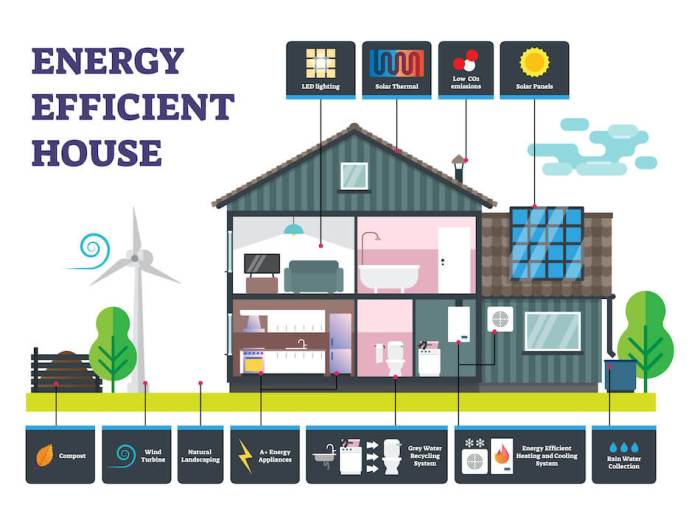
Before embarking on energy-efficient renovations, it is crucial to conduct thorough home inspections to assess the current energy usage and identify areas for improvement.
Areas to Inspect for Energy Efficiency
- Heating and cooling systems: Check for proper insulation, leaks, and efficiency of HVAC systems.
- Windows and doors: Inspect for drafts, gaps, and energy-efficient glazing.
- Lighting: Evaluate the use of energy-saving bulbs and fixtures throughout the home.
- Appliances: Look for ENERGY STAR rated appliances and assess their energy consumption.
Identifying Energy-Saving Opportunities
Home inspections can help homeowners pinpoint areas where energy is being wasted and identify opportunities to make improvements. By assessing the current state of the home, individuals can prioritize renovations that will have the most significant impact on energy efficiency.
Kitchen Improvements
When it comes to energy-efficient upgrades for kitchens, there are several options to consider that can help reduce overall energy consumption in your home. From appliances to lighting and insulation, making the right choices during a kitchen renovation can have a significant impact on your energy bills and environmental footprint.
Energy-Efficient Appliances
When choosing appliances for your kitchen renovation, opt for energy-efficient models that are ENERGY STAR certified. These appliances are designed to use less energy while still providing high performance. Look for refrigerators, stoves, dishwashers, and microwaves with the ENERGY STAR label to ensure you are making a sustainable choice for your kitchen.
- ENERGY STAR refrigerators use advanced insulation and compressors to reduce energy consumption and save you money on your electricity bill.
- Induction cooktops are energy-efficient alternatives to traditional gas or electric stoves, as they heat up faster and use less energy.
- Dishwashers with energy-efficient settings can help reduce water and energy usage during each cycle, saving you resources in the long run.
- LED lighting fixtures can be installed in the kitchen to provide bright, energy-efficient lighting that lasts longer than traditional incandescent bulbs.
Impact on Overall Energy Consumption
By incorporating energy-efficient upgrades into your kitchen renovation, you can significantly reduce your household’s overall energy consumption. Appliances, lighting, and insulation all play a role in how much energy your kitchen consumes on a daily basis. By making smart choices and investing in energy-efficient solutions, you can not only save money on your utility bills but also contribute to a greener, more sustainable future.
Home Improvement and Furniture
When renovating a home for energy efficiency, it’s essential to consider not only the structure but also the furniture within it. Energy-efficient furniture can play a significant role in reducing overall energy consumption and creating a more sustainable living space. In this section, we will explore tips on selecting energy-efficient furniture, how furniture placement can impact energy usage, and innovative ways to incorporate sustainable materials into home improvement projects.
Selecting Energy-Efficient Furniture
- Look for furniture made from sustainable materials such as reclaimed wood, bamboo, or recycled metal.
- Choose pieces that are certified by organizations like the Forest Stewardship Council (FSC) for eco-friendly sourcing.
- Opt for furniture with low VOC (volatile organic compound) finishes to reduce indoor air pollution.
- Consider multifunctional pieces that serve more than one purpose to maximize space and minimize the need for additional furniture.
Furniture Placement and Energy Usage
- Arrange furniture to allow for natural light to enter the room, reducing the need for artificial lighting during the day.
- Avoid blocking air vents or radiators with furniture to ensure proper airflow and heating/cooling distribution.
- Strategically place furniture near exterior walls to provide insulation and reduce heat transfer, especially in rooms prone to temperature fluctuations.
Incorporating Sustainable Materials
- Consider DIY projects using reclaimed materials to create custom furniture pieces that are both unique and eco-friendly.
- Explore furniture designs that incorporate renewable resources like bamboo or cork for a modern and sustainable aesthetic.
- Invest in high-quality furniture that is built to last, reducing the need for frequent replacements and ultimately lowering environmental impact.
Flooring
When it comes to energy-efficient homes, choosing the right flooring can make a significant impact on reducing heating and cooling costs while also being environmentally friendly. Eco-friendly flooring options not only help in creating a healthier living environment but also contribute to sustainability.
Eco-Friendly Flooring Options
- Bamboo: Bamboo is a renewable resource that grows quickly, making it a sustainable option for flooring. It is durable, easy to maintain, and adds a natural, warm look to any room.
- Cork: Cork flooring is made from the bark of cork oak trees, which can be harvested without cutting down the tree. It is a good insulator, reducing heat loss in the winter and keeping the room cool in the summer.
- Linoleum: Linoleum is made from natural materials like linseed oil, wood flour, and cork dust. It is long-lasting, biodegradable, and comes in a variety of colors and patterns.
Benefits of Installing Energy-Efficient Flooring
- Improved Insulation: Energy-efficient flooring materials like cork and bamboo provide better insulation, reducing the need for excessive heating or cooling.
- Lower Energy Costs: By choosing sustainable flooring options, homeowners can lower their energy bills by maintaining a comfortable temperature in the house more efficiently.
- Environmentally Friendly: Eco-friendly flooring choices help in reducing the carbon footprint of the home and promote sustainability.
Comparison of Flooring Materials in Heating and Cooling Costs
| Flooring Material | Impact on Heating Costs | Impact on Cooling Costs |
|---|---|---|
| Bamboo | Good insulator, reduces heating costs | Natural cooling properties, reduces cooling costs |
| Cork | Excellent insulator, reduces heating costs | Keeps room cool, reduces cooling costs |
| Linoleum | Decent insulator, reduces heating costs | Provides moderate cooling, reduces cooling costs |
Green Living
Green living is a lifestyle that aims to reduce our carbon footprint and minimize harm to the environment through sustainable practices. When it comes to energy-efficient home renovations, incorporating green living principles can significantly enhance the overall eco-friendliness of the project.
Eco-Friendly Practices for Home Renovation
- Installing energy-efficient appliances such as LED lighting, smart thermostats, and Energy Star-rated appliances can reduce energy consumption and lower utility bills.
- Using sustainable materials like bamboo flooring, reclaimed wood, or recycled glass countertops can minimize environmental impact and promote eco-friendly living.
- Implementing proper insulation, sealing windows and doors, and optimizing natural ventilation can improve energy efficiency and create a healthier indoor environment.
- Harvesting rainwater, installing solar panels, or incorporating a green roof can further reduce reliance on traditional energy sources and promote sustainability.
Long-Term Benefits of Green Living
- Reduced energy consumption leads to lower utility bills and long-term cost savings for homeowners.
- Enhanced indoor air quality and healthier living spaces contribute to improved health and well-being for occupants.
- Minimized environmental impact and carbon footprint help preserve natural resources and protect the planet for future generations.
- Increased property value and marketability due to the growing demand for sustainable and eco-friendly homes in the real estate market.
Interior Design and Decorating
When it comes to interior design and decorating, there are various ways to enhance the energy efficiency of your home while creating a stylish and comfortable living space. By incorporating certain design elements, you can optimize natural lighting, ventilation, and energy-saving features seamlessly into your decor.
Optimizing Natural Lighting and Ventilation
Designing a space to maximize natural lighting not only reduces the need for artificial lighting but also enhances the overall ambiance of your home. Consider the placement of windows, skylights, and glass doors to allow sunlight to flood into your rooms. Additionally, strategically positioning mirrors can help reflect and distribute light throughout the space.
Similarly, proper ventilation is essential for maintaining a comfortable indoor environment and reducing the reliance on heating and cooling systems. Ensure that windows are operable and consider installing ceiling fans to improve air circulation. Natural ventilation techniques, such as cross-ventilation, can also be incorporated into the design to promote airflow and reduce the need for mechanical ventilation.
Impact of Interior Design Choices on Energy Efficiency
The materials and finishes used in interior design can significantly impact energy efficiency. Opt for eco-friendly materials that are sustainably sourced and have high thermal performance. For example, choosing energy-efficient appliances, LED lighting, and programmable thermostats can help reduce energy consumption and lower utility bills.
Incorporating proper insulation, such as thermal curtains, rugs, and window treatments, can also improve energy efficiency by minimizing heat loss in the winter and heat gain in the summer. Additionally, selecting light-colored paint and furniture can reflect light and heat, reducing the need for cooling in warmer months.
Incorporating Energy-Saving Elements into Home Decor
Integrating energy-saving elements into your home decor can be both functional and aesthetically pleasing. Consider incorporating smart technology, such as smart thermostats and lighting systems, to control energy usage efficiently. Choose energy-efficient window treatments, such as cellular shades or blinds, to regulate light and temperature effectively.
Furthermore, adding indoor plants not only enhances the aesthetic appeal of your space but also improves indoor air quality and reduces energy consumption. Plants can help regulate humidity levels and absorb toxins, creating a healthier and more energy-efficient environment.
Bath and Shower
When it comes to energy-efficient home renovations, the bathroom is an important area to focus on. By incorporating energy-efficient fixtures and upgrades, you can not only reduce your environmental impact but also save on your utility bills.
Energy-Efficient Fixtures and Upgrades
One of the key ways to make your bathroom more energy-efficient is by installing low-flow fixtures. These fixtures are designed to reduce water consumption without compromising on performance. Look for faucets, showerheads, and toilets that are WaterSense certified to ensure maximum efficiency.
Additionally, consider upgrading to LED lighting in your bathroom. LED bulbs use significantly less energy than traditional incandescent bulbs and can last much longer, saving you money in the long run.
Another option is to install a programmable thermostat for your water heater. This allows you to set specific times for when your water heater operates, reducing energy usage when hot water is not needed.
Water Conservation in Bathroom Renovations
Water conservation is a crucial aspect of creating a sustainable bathroom space. By reducing water usage, you can lower your utility bills and lessen your environmental impact. Consider installing a dual-flush toilet that gives you the option to use less water for liquid waste and more for solid waste.
In addition, fixing any leaks in your bathroom can help conserve water. A dripping faucet or a running toilet can waste a significant amount of water over time, so be sure to address any leaks promptly.
Creating a Sustainable and Efficient Bathroom Space
When designing your bathroom, opt for materials that are eco-friendly and sustainable. Look for products made from recycled or natural materials, such as bamboo or reclaimed wood. These materials not only reduce your environmental footprint but also add a unique touch to your bathroom.
Furthermore, consider incorporating natural light into your bathroom design to reduce the need for artificial lighting during the day. This can help lower your energy consumption and create a more inviting space.
House Plans
When it comes to optimizing a home for energy efficiency, one of the key elements to consider is the house plan itself. By incorporating specific design features, architectural elements, and materials, house plans can be tailored to reduce energy consumption and promote sustainability.
Optimizing House Plans for Energy Efficiency
- Proper orientation of the house to maximize natural light and minimize heat gain or loss.
- Use of energy-efficient windows and doors with high insulation properties.
- Incorporation of passive solar design principles to regulate indoor temperature naturally.
- Integration of adequate ventilation and insulation systems to reduce heating and cooling energy needs.
Role of Architectural Design in Energy Efficiency
- Architectural design plays a crucial role in reducing energy consumption by optimizing the layout, size, and orientation of the house.
- Well-designed spaces can enhance natural lighting, ventilation, and thermal comfort, reducing the reliance on artificial heating and cooling systems.
- Efficient use of building materials and construction techniques can also contribute to energy savings and environmental sustainability.
Examples of Energy-Efficient Features in Modern House Plans
- Integration of solar panels or green roofs to generate renewable energy on-site.
- Utilization of smart home technology for energy monitoring and control.
- Inclusion of energy-efficient appliances, lighting fixtures, and HVAC systems in the design.
- Designing for multi-functional spaces to maximize utility and minimize square footage.
Feng Shui
Feng Shui is an ancient Chinese practice that focuses on harmonizing individuals with their surrounding environment. When it comes to energy-efficient home renovations, integrating Feng Shui principles can enhance not only the aesthetic appeal of the space but also its overall energy flow and sustainability.
Energy Flow and Sustainable Living Spaces
Incorporating Feng Shui elements into your home can help create a balanced and harmonious environment that supports sustainable living practices. By paying attention to the placement of furniture, colors, and decorative items, you can optimize the flow of energy (or Qi) throughout your home. This can lead to a more efficient use of energy and a healthier living space for you and your family.
- Avoid clutter: Clutter can block the flow of energy in your home. Keep your space organized and free of unnecessary items to promote a smooth flow of Qi.
- Use natural materials: Incorporating natural materials like wood, bamboo, and stone can help create a sense of balance and harmony in your home, while also reducing the environmental impact of your renovations.
- Balance the elements: In Feng Shui, the five elements (wood, fire, earth, metal, water) play a crucial role in maintaining harmony. By incorporating these elements in your home decor, you can create a more balanced and energy-efficient living space.
Heating and Air Conditioning
When it comes to creating an energy-efficient home, one of the key aspects to consider is the heating and air conditioning systems. By utilizing the right systems and maintaining them properly, you can significantly reduce energy consumption and costs while ensuring optimal comfort in your home.
Energy-Efficient Heating and Cooling Systems
- One of the most energy-efficient heating solutions is a geothermal heat pump, which utilizes the stable temperature of the ground to heat and cool your home.
- High-efficiency air conditioners and furnaces with a good SEER (Seasonal Energy Efficiency Ratio) and AFUE (Annual Fuel Utilization Efficiency) rating can also help reduce energy consumption.
- Ductless mini-split systems are another great option for zoning your home’s heating and cooling, allowing you to only heat or cool the rooms that are in use.
Maintaining HVAC Systems for Optimal Energy Performance
- Regularly changing air filters and scheduling professional maintenance for your HVAC systems can optimize their performance and energy efficiency.
- Ensuring that your home is well-insulated and sealed can also help your heating and cooling systems work more efficiently, reducing energy waste.
- Programming your thermostat to adjust temperatures based on your schedule can further enhance energy savings without compromising comfort.
Comparison of Different Heating and Cooling Solutions
- When comparing heating and cooling solutions, consider factors such as initial cost, operating cost, energy efficiency ratings, and maintenance requirements.
- While some systems may have a higher upfront cost, they could offer long-term energy savings that make them a more cost-effective choice in the end.
- Consulting with HVAC professionals can help you determine the best heating and cooling solution for your home based on your specific needs and budget.
In conclusion, Energy-efficient home renovations offer not just a way to upgrade your home but also a chance to embrace a more eco-friendly lifestyle. With a focus on sustainability and efficiency, these renovations pave the way for a brighter and greener future.
Popular Questions
How can I ensure my home is energy-efficient after renovations?
After renovations, you can ensure energy efficiency by using energy-efficient appliances, proper insulation, and smart home technologies to monitor and control energy usage.
Are there any government incentives for energy-efficient home renovations?
Yes, many governments offer incentives such as tax credits, rebates, and grants for energy-efficient home upgrades. Check with your local authorities for available programs.
What are some cost-effective ways to make my home more energy-efficient?
Simple steps like sealing air leaks, installing a programmable thermostat, using LED bulbs, and improving insulation are cost-effective ways to boost energy efficiency in your home.