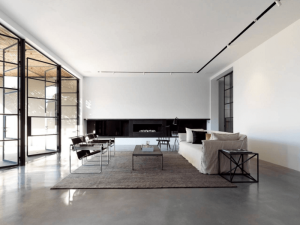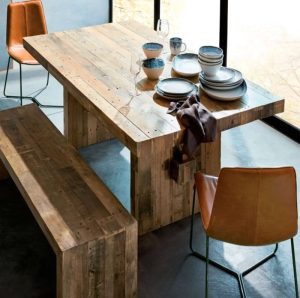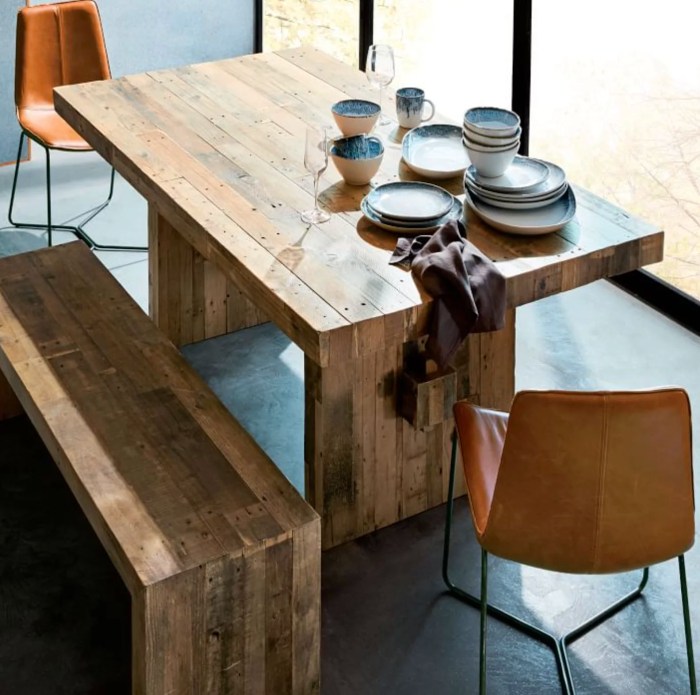
In the realm of sustainable furniture brands, discover the top 5 eco-friendly practices and pricing that shape the future of home decor. Dive into a world where conscious choices meet style and sustainability for a greener living space.
Explore the innovative materials and design philosophies that redefine traditional furniture options, paving the way for a more environmentally responsible approach to furnishing homes.
Sustainable Furniture Brands
When it comes to furnishing your home, choosing sustainable furniture brands can make a big difference for the environment. These brands prioritize eco-friendly practices and use innovative materials to create beautiful and functional pieces for your living space.
Top 5 Sustainable Furniture Brands and Eco-Friendly Practices
Here are five top sustainable furniture brands known for their eco-friendly practices:
- 1. Brand 1: This brand sources materials from responsibly managed forests and uses non-toxic finishes to reduce environmental impact.
- 2. Brand 2: Brand 2 focuses on upcycling materials and using recycled components to create unique and sustainable furniture pieces.
- 3. Brand 3: Brand 3 designs furniture with longevity in mind, using durable materials that are built to last for years to come.
- 4. Brand 4: Brand 4 partners with local artisans to create handmade furniture using traditional techniques and sustainable practices.
- 5. Brand 5: Brand 5 incorporates innovative materials like bamboo and cork into their designs to promote sustainability and reduce waste.
Importance of Choosing Sustainable Furniture
Choosing sustainable furniture is essential for reducing your carbon footprint and supporting environmentally responsible practices in the furniture industry. By opting for eco-friendly options, you can help preserve natural resources and protect the planet for future generations.
Pricing Comparison: Sustainable vs. Traditional Furniture
While sustainable furniture may have a higher upfront cost compared to traditional options, the long-term benefits outweigh the initial investment. Sustainable furniture is often better quality, more durable, and can save you money in the long run by reducing the need for frequent replacements.
Innovative Materials Used by Sustainable Furniture Brands
Sustainable furniture brands are constantly pushing the boundaries of design by using innovative materials such as:
- – Recycled plastics
- – Reclaimed wood
- – Organic fabrics
- – Hemp and jute fibers
- – Natural dyes and finishes
Home Inspections
Regular home inspections are crucial for maintaining a safe living environment for you and your family. They help identify potential hazards, structural issues, and maintenance needs before they escalate into costly problems.
Common Issues Found During Home Inspections
- Leaky Roofs: Inspect the attic and ceilings for water stains, mold, or signs of water damage. Address any leaks promptly to prevent further damage.
- Electrical Problems: Look for exposed wires, outdated electrical panels, or flickering lights. Hire a licensed electrician to address any electrical issues.
- Plumbing Leaks: Check under sinks, around toilets, and in the basement for any signs of water leaks. Repair or replace any leaking pipes to prevent water damage.
DIY Home Inspection Process
- Start with the exterior: Check the roof, gutters, siding, and foundation for any damage or wear and tear.
- Move inside: Inspect each room for signs of water damage, mold, pests, or structural issues.
- Test electrical outlets and switches: Ensure they are working properly and not overloaded.
Role of Professional Home Inspectors
Professional home inspectors play a crucial role in ensuring home safety by conducting thorough inspections that go beyond what a DIY inspection can uncover. They have the expertise to identify hidden issues and provide detailed reports that help homeowners make informed decisions about their property.
Kitchen Improvements
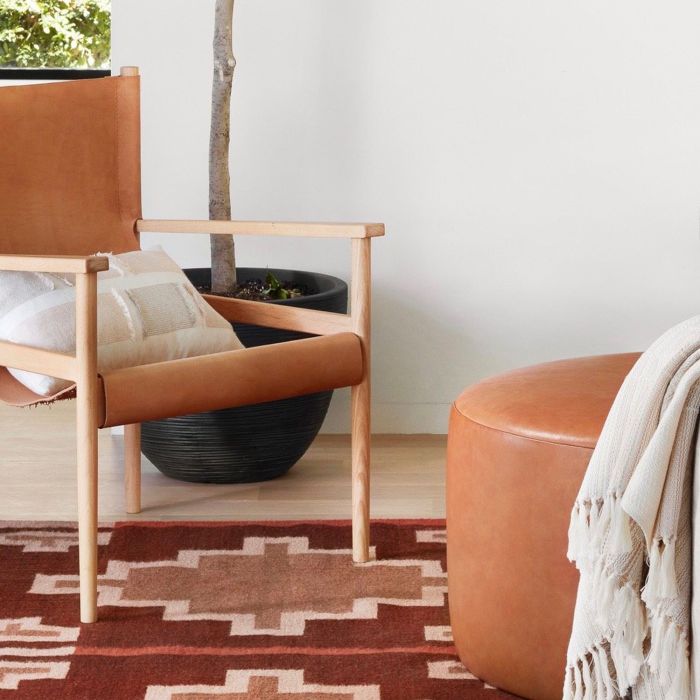
When it comes to updating your kitchen, there are plenty of cost-effective ways to make a big impact without breaking the bank. Whether you’re looking to enhance functionality, increase sustainability, or simply give your kitchen a fresh new look, there are a variety of options to explore.
Cost-Effective Kitchen Improvements
One of the easiest and most budget-friendly ways to update your kitchen is by giving your cabinets a fresh coat of paint or adding new hardware for a modern touch. Swapping out old light fixtures for energy-efficient options can also make a big difference in both the look and functionality of your space.
- Consider installing a backsplash made from recycled materials for a sustainable and stylish addition to your kitchen.
- Upgrading to energy-efficient appliances can save you money in the long run while reducing your carbon footprint.
- Replacing old faucets and fixtures with water-saving options can help conserve water and add a touch of luxury to your kitchen.
Latest Trends in Kitchen Design
Modern kitchens are all about sleek lines, minimalist design, and innovative technology. From smart appliances to hidden storage solutions, there are plenty of ways to bring your kitchen into the 21st century.
- Open shelving and glass-front cabinets are popular choices for showcasing dishes and adding visual interest to your kitchen.
- Quartz countertops are a durable and sustainable option that can withstand the wear and tear of daily use.
- Matte black finishes are on-trend for kitchen faucets and hardware, adding a touch of sophistication to any space.
DIY Kitchen Improvement Projects
If you’re feeling handy, there are plenty of DIY projects you can tackle to improve your kitchen without hiring a professional. From building your own kitchen island to creating custom storage solutions, the possibilities are endless.
- Repurposing old furniture into kitchen storage solutions is a creative way to add personality to your space while reducing waste.
- Installing a pegboard for hanging pots and pans can free up valuable cabinet space and add a touch of rustic charm to your kitchen.
- Building a custom pantry organization system can help you maximize storage and keep your kitchen clutter-free.
Materials for Kitchen Countertops
When it comes to choosing the right material for your kitchen countertops, it’s important to consider both durability and sustainability. Different materials offer unique benefits and drawbacks, so it’s essential to weigh your options carefully.
- Granite countertops are a popular choice for their durability and timeless appeal, but they can be costly and require regular maintenance.
- Recycled glass countertops are an eco-friendly option that adds a pop of color and texture to your kitchen while reducing waste.
- Butcher block countertops are a warm and inviting choice that can add a touch of natural beauty to your kitchen, but they require regular oiling to maintain their appearance.
Home Improvement and Furniture
When embarking on home improvement projects, the choice of furniture plays a crucial role in defining the overall ambiance and functionality of a space. The right furniture pieces can enhance the aesthetic appeal of a room, while the wrong ones can detract from the renovation efforts.
Furniture Selection for Home Improvement
Choosing the right furniture pieces can make a significant impact on the outcome of a home improvement project. Here are some examples of furniture pieces that can transform a space during renovations:
- Statement pieces such as a unique sofa or a striking dining table can become the focal point of a room and elevate its design.
- Multi-functional furniture like storage ottomans or extendable dining tables can maximize space utilization in smaller rooms.
- Quality furniture made from sustainable materials not only adds a touch of elegance but also promotes environmental consciousness in your home.
Complementing Furniture with Home Improvement Styles
It’s essential to choose furniture that complements the style of your home improvement project. Here’s how to ensure your furniture enhances the overall look:
- For a modern home renovation, opt for sleek, minimalist furniture with clean lines and neutral colors to create a cohesive look.
- In a traditional home setting, choose classic furniture pieces like wooden tables and vintage-inspired decor to maintain the charm of the space.
- If you’re going for a rustic or farmhouse-style renovation, consider incorporating cozy furniture pieces like distressed wood accents and comfortable seating options.
Flooring
When it comes to sustainable flooring options, there are several eco-friendly materials to consider such as bamboo, cork, and reclaimed wood. These materials offer a more environmentally conscious choice compared to traditional flooring options.
Choosing the right sustainable flooring for your home involves considering factors like durability, maintenance requirements, and the room’s usage and foot traffic. Each material has its unique characteristics that make it suitable for different areas of the house.
Bamboo Flooring
- Bamboo flooring is a renewable resource that grows quickly, making it an environmentally friendly choice.
- It is durable and easy to maintain, making it ideal for high-traffic areas like living rooms and hallways.
- However, bamboo flooring may not be suitable for areas prone to moisture, such as bathrooms or kitchens.
Cork Flooring
- Cork flooring is made from the bark of cork oak trees, which can be harvested without harming the tree.
- It is soft underfoot, providing comfort and insulation, making it a great choice for bedrooms and playrooms.
- Cork flooring is also resistant to mold, mildew, and insects, but may require periodic resealing to maintain its appearance.
Reclaimed Wood Flooring
- Reclaimed wood flooring is sourced from old buildings, barns, or other structures, giving it a unique and rustic look.
- It is a sustainable choice as it repurposes wood that would otherwise go to waste.
- Reclaimed wood flooring is durable and can add character to any room, but it may require more maintenance compared to other options.
By opting for sustainable flooring materials like bamboo, cork, or reclaimed wood, you not only reduce your environmental impact but also enjoy the benefits of durable and unique flooring options in your home.
Green Living
Living a green lifestyle involves making conscious choices to reduce our environmental impact and promote sustainability. By incorporating eco-friendly practices into our daily lives, we can create a more sustainable environment for future generations.
Principles of Green Living
- Reduce, Reuse, Recycle: Minimize waste by opting for reusable products, recycling materials, and repurposing items whenever possible.
- Conserve Energy: Use energy-efficient appliances, LED light bulbs, and smart thermostats to reduce energy consumption.
- Water Conservation: Install low-flow fixtures, fix leaks promptly, and collect rainwater for irrigation to conserve water.
- Sustainable Transportation: Walk, bike, carpool, or use public transportation to reduce carbon emissions from vehicles.
- Eco-Friendly Purchases: Choose products made from sustainable materials, organic ingredients, and ethically sourced resources.
Eco-Friendly Home Improvement Ideas
- Install solar panels to harness renewable energy and reduce reliance on nonrenewable resources.
- Upgrade insulation and seal gaps to improve energy efficiency and reduce heating and cooling costs.
- Create a composting system for organic waste to reduce landfill waste and enrich soil for gardening.
- Use non-toxic, eco-friendly paints and finishes for home renovation projects to minimize indoor air pollution.
- Plant a garden or set up a green space indoors to improve air quality and connect with nature.
Benefits of Green Living
- Reduce carbon footprint and contribute to combating climate change.
- Promote a healthier living environment by eliminating toxins and pollutants from our surroundings.
- Save money on utility bills and long-term maintenance costs by adopting energy-efficient practices.
- Support sustainable businesses and foster a more eco-conscious community for a better future.
Sustainable Habits for Greener Living
- Use reusable bags, water bottles, and containers to reduce single-use plastic waste.
- Switch to eco-friendly cleaning products to minimize exposure to harmful chemicals and protect water sources.
- Opt for digital receipts, bills, and communications to reduce paper waste and save trees.
- Participate in community clean-up events, tree planting initiatives, and sustainable living workshops to promote environmental awareness.
- Conserve resources by turning off lights, unplugging electronics, and adjusting thermostat settings when not in use.
Interior Design and Decorating
When it comes to interior design and decorating, sustainable furniture choices play a crucial role in creating an eco-friendly home environment. Not only do they contribute to reducing carbon footprint, but they also add a touch of style and sophistication to your living space.
The Impact of Sustainable Furniture on Eco-Friendly Interior Design
Sustainable furniture options such as reclaimed wood, bamboo, and recycled materials not only help in preserving natural resources but also add a unique charm to your interiors. These pieces are not only environmentally friendly but also durable and stylish, making them a perfect choice for sustainable interior design.
Tips for Creating a Stylish and Sustainable Home Interior
- Choose furniture made from sustainable materials such as reclaimed wood, bamboo, or recycled metal.
- Opt for pieces that are multifunctional to maximize space and reduce the need for additional furniture.
- Incorporate natural elements like plants and natural fibers to add a touch of greenery to your space.
- Use energy-efficient lighting and appliances to reduce your carbon footprint and save on energy costs.
The Impact of Color Schemes on Sustainable Interior Design
Color schemes play a significant role in sustainable interior design as they can affect the overall ambiance and energy efficiency of a space. Opting for earthy tones and natural colors not only creates a soothing environment but also reduces the need for artificial lighting, ultimately contributing to a more sustainable home.
Innovative Ways to Upcycle Furniture for Sustainable Decorating
- Repurpose old furniture pieces by giving them a fresh coat of paint or reupholstering them with sustainable fabrics.
- Use old wooden crates or pallets to create unique shelving units or storage solutions.
- Transform an old door into a stylish dining table or a headboard for your bed.
- Get creative with DIY projects to upcycle furniture and give them a new life in your sustainable decorating approach.
Bath and Shower
When it comes to creating a sustainable bathroom, choosing water-saving fixtures for baths and showers is crucial. Not only does it help conserve water, but it also reduces energy consumption.
Water-Saving Fixtures for Baths and Showers
- Low-flow showerheads: These fixtures reduce water usage without compromising water pressure, providing a comfortable shower experience while saving water.
- Dual-flush toilets: Dual-flush toilets give users the option to choose between a full or partial flush, depending on the waste being disposed of, helping to minimize water wastage.
- Water-efficient faucets: Installing faucets with aerators can decrease water flow, leading to significant water savings over time.
Benefits of Using Eco-Friendly Bath and Shower Products
- Reduced environmental impact: Eco-friendly bath and shower products are made from sustainable materials and are biodegradable, minimizing harm to the environment.
- Improved indoor air quality: Many conventional bath and shower products contain harsh chemicals that can negatively impact indoor air quality. Switching to eco-friendly alternatives can help create a healthier living environment.
- Safe for sensitive skin: Eco-friendly products are often free from harmful ingredients, making them suitable for individuals with sensitive skin or allergies.
Tips for Designing a Sustainable Bathroom Layout
- Opt for natural lighting: Maximize natural light in the bathroom to reduce the need for artificial lighting, saving energy in the process.
- Choose sustainable materials: Use recycled or reclaimed materials for countertops, flooring, and fixtures to minimize environmental impact.
- Install a water-efficient shower and bath: Select fixtures that are designed to conserve water without compromising performance.
Sustainable Materials for Bath and Shower Renovations
- Bamboo: Bamboo is a sustainable material that grows quickly and can be used for flooring, countertops, and bath accessories.
House Plans
When designing a sustainable house plan, there are several key considerations to keep in mind. These include maximizing natural light, utilizing energy-efficient materials, optimizing the layout for cross ventilation, incorporating renewable energy sources, and ensuring proper insulation to reduce energy consumption.
Integration of Eco-friendly Features
- Utilize recycled or sustainable materials such as bamboo flooring or reclaimed wood.
- Incorporate passive solar design to harness the sun’s energy for heating and lighting.
- Install energy-efficient appliances and fixtures to reduce water and electricity usage.
- Implement rainwater harvesting systems for irrigation and toilet flushing.
Maximizing Energy Efficiency
- Opt for high-performance windows and doors to minimize heat loss and gain.
- Consider orienting the house to take advantage of natural sunlight and prevailing winds.
- Use programmable thermostats and smart home technology to control energy consumption.
- Design for proper air circulation and ventilation to reduce the need for artificial cooling and heating.
Innovative House Plans for Sustainability
- The Earthship design incorporates recycled materials and passive solar heating and cooling.
- The Passive House standard focuses on ultra-efficient insulation and airtight construction for minimal energy usage.
- The Living Building Challenge aims for net-zero energy and water consumption through innovative design and technology.
- The LEED certification program promotes sustainable building practices and materials for environmentally friendly homes.
Feng Shui
Feng Shui is an ancient Chinese practice that focuses on creating harmonious environments by arranging furniture and designing spaces in a way that promotes positive energy flow. When it comes to home design and furniture placement, Feng Shui principles can help create a balanced and peaceful atmosphere.
Principles of Feng Shui in Home Design
- Avoid clutter: Clutter blocks the flow of energy, so it’s important to keep your home organized and free of unnecessary items.
- Balance elements: Incorporate a balance of elements like wood, metal, water, earth, and fire to create a harmonious environment.
- Use natural materials: Opt for sustainable furniture made from natural materials like wood, bamboo, or cork to enhance the connection to nature.
- Maximize natural light: Allow natural light to flow into your home to promote positive energy and create a sense of openness.
Sustainable Furniture and Feng Shui
- Choose furniture with rounded edges: Sharp corners create negative energy, so opt for furniture with rounded edges to promote a sense of flow and harmony.
- Select eco-friendly materials: Sustainable furniture aligns with Feng Shui principles by promoting a connection to nature and reducing environmental impact.
- Avoid toxic finishes: Opt for furniture with non-toxic finishes to create a healthier indoor environment and promote positive energy flow.
Tips for Creating a Harmonious Home Environment
- Clear pathways: Ensure that pathways in your home are clear to allow for the smooth flow of energy.
- Balance colors: Use a balanced color palette to create a harmonious atmosphere and promote positive energy flow.
- Add plants: Incorporate plants into your home to improve air quality, promote positive energy, and create a sense of tranquility.
Feng Shui-Approved Furniture Arrangements
- Living Room: Place the sofa against a wall with a clear view of the entrance to promote a sense of security and relaxation.
- Bedroom: Position the bed diagonally across from the door to create a sense of balance and allow for a clear view of the room.
- Dining Room: Ensure that the dining table is round or oval to promote unity and harmony among family members.
Heating and Air Conditioning
Indoor climate control is essential for a comfortable living environment, especially when it comes to heating and air conditioning systems. Energy-efficient solutions not only help reduce utility bills but also contribute to a more sustainable lifestyle. Proper insulation plays a crucial role in maintaining the efficiency of these systems, while regular maintenance ensures longevity and optimal performance. Let’s explore some key aspects of sustainable heating and cooling solutions for eco-friendly homes.
Energy-Efficient Heating and Cooling Systems
- Consider investing in high-efficiency heat pumps or geothermal systems that utilize renewable energy sources.
- Opt for smart thermostats that can be programmed to adjust temperature settings based on occupancy and weather conditions.
- Explore ductless mini-split systems for targeted heating and cooling in specific areas of the house, reducing energy waste.
Importance of Proper Insulation
- Proper insulation helps prevent heat loss in winter and heat gain in summer, reducing the workload on heating and cooling systems.
- Ensure that walls, floors, and attics are well-insulated to maintain a consistent indoor temperature throughout the year.
- Consider upgrading windows and doors to energy-efficient models with double or triple glazing for better insulation.
Tips for Maintenance
- Regularly clean or replace air filters to ensure efficient airflow and prevent strain on the HVAC system.
- Schedule annual maintenance checks with a professional to detect and address any issues before they escalate.
- Keep outdoor units clear of debris and vegetation to allow for proper ventilation and airflow.
Sustainable Heating and Cooling Solutions
- Explore solar heating options such as solar panels or solar water heaters to harness renewable energy for heating purposes.
- Consider natural ventilation strategies like cross-ventilation and ceiling fans to reduce the need for mechanical cooling systems.
- Invest in radiant heating systems that use electrically heated panels or pipes to warm the floors and provide efficient heat distribution.
As we conclude this journey through sustainable furniture brands, remember that every purchase can make a difference in shaping a more eco-conscious world. Embrace the beauty of sustainability in every piece of furniture, knowing that style and environmental responsibility can seamlessly coexist.
Essential Questionnaire
Are sustainable furniture brands more expensive than traditional options?
While initial costs may be higher, the long-term benefits of durability and environmental impact make sustainable furniture a wise investment.
What are some examples of innovative materials used by sustainable furniture brands?
Sustainable brands often utilize materials like reclaimed wood, bamboo, and recycled plastic to create unique and eco-friendly furniture pieces.
How do sustainable furniture brands contribute to a greener environment?
By prioritizing eco-friendly practices in sourcing materials and manufacturing processes, sustainable brands help reduce carbon footprint and promote sustainability.