Embark on a journey through sustainable house plans, exploring eco-friendly materials, energy efficiency, and the reduction of carbon footprint in modern living.
Discover the essence of sustainable living and how it shapes the future of environmentally conscious homes.
Sustainable House Plans
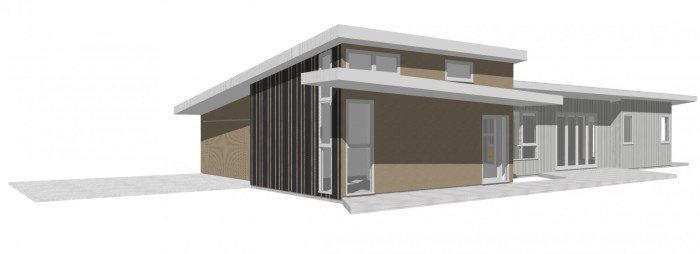
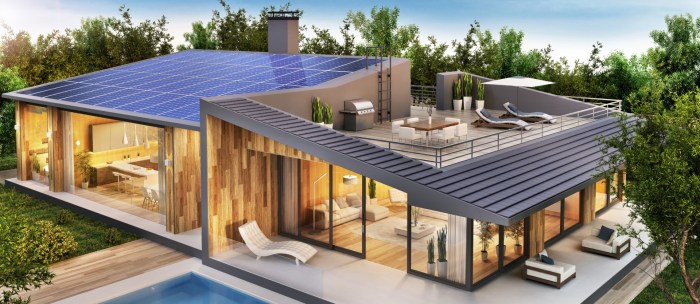
Sustainable house plans are designed with the environment in mind, focusing on reducing the carbon footprint and promoting energy efficiency. These plans incorporate eco-friendly materials and innovative technologies to create a more sustainable living space.
Key Features of Sustainable House Plans
Sustainable house plans often include features such as:
- Passive solar design to maximize natural light and heat
- Energy-efficient appliances and lighting
- Proper insulation to reduce energy consumption
- Water-saving fixtures and systems
Eco-Friendly Materials Used
Examples of eco-friendly materials used in sustainable house construction include:
- Bamboo flooring
- Recycled glass countertops
- Sustainably sourced wood for framing
- Solar panels for renewable energy
Importance of Energy Efficiency
Energy efficiency is crucial in sustainable house designs as it helps reduce the overall energy consumption of the home. This leads to lower utility bills and a decreased impact on the environment.
Reducing Carbon Footprint
Sustainable house plans contribute to reducing the carbon footprint by minimizing energy use, utilizing renewable energy sources, and incorporating materials that have a lower environmental impact. This helps combat climate change and promote a more sustainable way of living.
Home Inspections
Regular home inspections are crucial for maintaining a sustainable living environment. By identifying issues early on, homeowners can prevent larger problems down the line. Conducting thorough home inspections also allows for the identification of areas where energy efficiency improvements can be made.
Checklist for Conducting a Thorough Home Inspection
- Inspect the roof for any signs of damage or leaks.
- Check windows and doors for drafts and ensure they are properly sealed.
- Examine the insulation in the walls and attic to ensure it is sufficient.
- Test all electrical outlets and switches to make sure they are working correctly.
Common Issues Found During Home Inspections and Their Solutions
- Leaky pipes: Repair any leaks promptly to prevent water wastage and damage.
- Mold growth: Address moisture issues and improve ventilation to prevent mold growth.
- Inefficient appliances: Replace old appliances with energy-efficient models to reduce energy consumption.
Identifying Areas for Energy Efficiency Improvements
- Use a thermal camera to pinpoint areas of heat loss in the home.
- Upgrade to LED light bulbs to reduce energy usage for lighting.
- Install a programmable thermostat to better control heating and cooling costs.
Kitchen Improvements
When it comes to sustainable kitchen design, there are several key elements to consider in order to maximize energy efficiency, reduce water usage, and promote eco-friendly practices. By incorporating these ideas into your kitchen renovations, you can create a space that is not only stylish and functional but also environmentally conscious.
Sustainable Kitchen Design Ideas for Energy Conservation
- Opt for energy-efficient appliances that are certified by programs like Energy Star.
- Install LED lighting to reduce electricity consumption and lower your energy bills.
- Consider using induction cooktops, which are more energy-efficient than traditional gas or electric stoves.
Use of Eco-Friendly Materials in Kitchen Renovations
- Choose sustainable materials such as bamboo, reclaimed wood, or recycled glass for countertops and cabinets.
- Opt for low-VOC paints and finishes to minimize indoor air pollution and promote better air quality in your kitchen.
- Consider installing cork or bamboo flooring, which are renewable and eco-friendly options.
Tips for Reducing Water Usage in the Kitchen
- Fix any leaks in faucets or pipes to prevent water wastage.
- Install a low-flow aerator on your kitchen faucet to reduce water consumption without sacrificing water pressure.
- Use a dishwasher only when it’s fully loaded to maximize water efficiency.
Benefits of Natural Lighting in Sustainable Kitchen Designs
- Natural light can help reduce the need for artificial lighting during the day, saving energy and lowering electricity costs.
- It can create a brighter and more inviting space, enhancing the overall aesthetics of your kitchen.
- Exposure to natural light has been linked to improved mood and productivity, making your kitchen a more pleasant and functional environment.
Home Improvement and Furniture
Incorporating sustainable practices into home improvement projects and choosing eco-friendly furniture are essential steps towards creating a more environmentally friendly home. Upcycling furniture can also help reduce waste, while embracing minimalism in home improvement can lead to a more sustainable lifestyle.
Sustainable Practices in Home Improvement
- Use reclaimed or recycled materials for renovation projects.
- Opt for energy-efficient appliances and fixtures to reduce electricity consumption.
- Implement water-saving features like low-flow faucets and toilets.
Eco-Friendly Furniture Choices
- Look for furniture made from sustainable materials such as bamboo, reclaimed wood, or recycled plastic.
- Avoid furniture treated with harmful chemicals or finishes that can off-gas pollutants into your home.
- Support local artisans and companies that prioritize ethical and sustainable manufacturing practices.
Upcycling Furniture to Reduce Waste
- Repurpose old furniture by giving it a fresh coat of paint or new upholstery.
- Convert unused items into creative and functional pieces of furniture.
- Donate or sell furniture you no longer need to prevent it from ending up in a landfill.
Embracing Minimalism in Home Improvement
- Declutter your living space to create a more open and peaceful environment.
- Invest in multi-functional furniture that serves more than one purpose to maximize space.
- Focus on quality over quantity when selecting furniture and decor items for your home.
Flooring
When it comes to sustainable flooring options for your home, there are several environmentally friendly choices available. From bamboo and cork to reclaimed wood, each material has its own unique benefits and considerations.
Bamboo Flooring
- Bamboo is a fast-growing and renewable resource, making it an eco-friendly choice for flooring.
- It is durable and water-resistant, making it suitable for high-traffic areas in your home.
- Regular cleaning with a damp mop and mild soap can help maintain bamboo flooring’s appearance and longevity.
- Choose bamboo flooring that is formaldehyde-free to ensure better indoor air quality.
Cork Flooring
- Cork is harvested from the bark of cork oak trees without harming the tree, making it a sustainable option.
- It is naturally resistant to mold, mildew, and insects, making it a great choice for allergy sufferers.
- To clean cork flooring, use a damp mop with a pH-balanced cleaner and avoid excessive water exposure.
- Cork flooring can help improve indoor air quality as it does not trap dust and allergens like carpet.
Reclaimed Wood Flooring
- Reclaimed wood is salvaged from old buildings, barns, or warehouses, giving it a unique and rustic look.
- It helps reduce the demand for new timber and prevents old wood from ending up in landfills.
- To maintain reclaimed wood flooring, regularly vacuum or sweep to remove dirt and debris, and avoid harsh cleaning products.
- Choosing reclaimed wood flooring can contribute to a healthier indoor environment by reducing the use of new resources.
Green Living
Green living is the practice of making choices that contribute to a more sustainable and environmentally friendly lifestyle. When it comes to sustainable house plans, incorporating green living principles is crucial for reducing the carbon footprint of a home and promoting a healthier living environment.
Incorporating Sustainable Practices
- Use energy-efficient appliances: Opt for appliances with high energy star ratings to reduce electricity consumption.
- Install solar panels: Harness the power of the sun to generate renewable energy for your home.
- Implement water-saving fixtures: Install low-flow faucets and showerheads to conserve water.
- Utilize natural lighting: Maximize daylight and reduce the need for artificial lighting during the day.
Energy-Saving Appliances
- Energy-Efficient Refrigerators: Look for models with advanced insulation and temperature control features.
- LED Light Bulbs: These bulbs use significantly less energy and have a longer lifespan compared to traditional incandescent bulbs.
- Smart Thermostats: Control your home’s heating and cooling systems efficiently to reduce energy waste.
Zero Waste Living
Zero waste living is a lifestyle that aims to minimize waste generation and promote recycling and composting practices. By reducing waste, individuals can lower their environmental impact and contribute to a more sustainable future.
Reducing waste not only benefits the environment but also saves money and resources in the long run.
Interior Design and Decorating
When it comes to sustainable interior design and decorating, there are several key elements to consider. From using non-toxic paints to incorporating natural elements, creating a cozy and eco-friendly living space is not only beneficial for the environment but also for your overall well-being.
Tips for Sustainable Interior Design
- Opt for non-toxic paints and finishes to reduce indoor air pollution and promote a healthier living environment.
- Choose furniture made from recycled or sustainable materials to minimize waste and support eco-friendly practices.
- Utilize energy-efficient lighting options such as LED bulbs to reduce electricity consumption and lower your carbon footprint.
Importance of Indoor Plants
- Indoor plants not only add a touch of nature to your living space but also help improve air quality by absorbing toxins and releasing oxygen.
- Plants like spider plants, peace lilies, and pothos are known for their air-purifying properties and can thrive indoors with minimal care.
- Consider creating a small indoor garden or vertical wall garden to bring the benefits of nature indoors.
Creating a Cozy and Sustainable Living Space
- Incorporate natural textures such as organic cotton, wool, and bamboo for rugs, cushions, and throws to add warmth and comfort to your space.
- Use earthy tones and nature-inspired color palettes to create a calming and inviting atmosphere in your home.
- Choose sustainable and ethically sourced decor items like handmade pottery, woven baskets, and wooden accents to infuse character and charm into your space.
Incorporating Natural Elements
- Bring the outdoors in by incorporating natural elements like wood, stone, and plants into your interior design.
- Opt for furniture and decor pieces made from reclaimed wood or recycled materials to add a unique and sustainable touch to your space.
- Showcase natural textures and patterns through materials like jute, rattan, and seagrass for a cohesive and earthy aesthetic.
Bath and Shower
In a sustainable bathroom, incorporating water-saving fixtures and designs is essential to reduce water wastage and promote eco-friendly practices. Additionally, using organic and natural bath products can benefit both your health and the environment. Here are some tips and ideas to create a spa-like experience while being mindful of sustainability.
Water-Saving Fixtures and Designs
- Install low-flow showerheads and faucets to reduce water consumption without compromising water pressure.
- Consider dual-flush toilets that offer the option of a reduced flush for liquid waste, saving water with every use.
Reducing Water Wastage in the Shower
- Take shorter showers to minimize water usage and consider turning off the water while lathering or shampooing.
Benefits of Organic and Natural Bath Products
- Organic and natural bath products are free from harmful chemicals and toxins, promoting better skin health and overall well-being.
Creating a Spa-Like Experience
Furniture
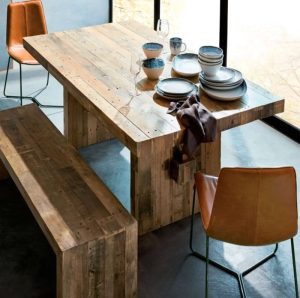
When it comes to sustainable furniture, choosing the right materials and designs can make a big difference in reducing environmental impact and promoting eco-friendly living. From reclaimed wood to bamboo and recycled plastic, there are various options to consider when furnishing your home sustainably.
Comparing Sustainable Furniture Materials
- Reclaimed Wood: Furniture made from reclaimed wood involves using salvaged wood from old buildings, pallets, or other sources, reducing the need for new timber and minimizing waste.
- Bamboo: Bamboo is a fast-growing and renewable resource that can be harvested sustainably for furniture production. It is durable, lightweight, and adds a natural touch to any space.
- Recycled Plastic: Furniture made from recycled plastic helps divert plastic waste from landfills and oceans. It is durable, weather-resistant, and can be molded into various designs.
Multifunctional Furniture for Sustainable Living
- Opt for furniture pieces that serve multiple purposes, such as a storage ottoman that can also be used as a coffee table or a sofa bed for guests. This maximizes space efficiency and reduces the need for additional furniture.
- Consider modular furniture that can be reconfigured to adapt to changing needs and spaces, promoting longevity and versatility in your home decor.
Choosing Durable and Eco-friendly Furniture
- Look for furniture made from FSC-certified wood or other sustainable materials that have been responsibly sourced and manufactured.
- Check for certifications like Cradle to Cradle or GREENGUARD to ensure that the furniture meets strict environmental and health standards.
- Avoid furniture with toxic finishes or treatments that can off-gas harmful chemicals into your home environment.
DIY Ideas for Upcycling Furniture
- Give old furniture a new life by painting, staining, or reupholstering it to match your current decor style.
- Repurpose unused items into functional furniture pieces, such as turning an old door into a rustic dining table or transforming wooden crates into storage shelves.
- Explore creative ways to combine different pieces of furniture to create unique and personalized designs that reflect your sustainability values.
House Plans
When it comes to designing sustainable house plans from scratch, it is essential to consider various factors to ensure energy efficiency and environmental friendliness. From incorporating passive solar design elements to optimizing natural ventilation, every detail plays a crucial role in creating a sustainable living space.
Passive Solar Design Elements
Passive solar design elements are key features in sustainable house plans that maximize the use of natural light and heat from the sun to reduce energy consumption. Some examples include:
- Large south-facing windows to capture sunlight during the winter months
- Thermal mass materials like concrete or tile floors to absorb and store heat
- Overhangs or shading devices to prevent overheating in the summer
- Solar panels for generating electricity from sunlight
Proper Insulation for Energy Efficiency
Proper insulation is crucial in energy-efficient house plans as it helps maintain a comfortable indoor temperature and reduce heating and cooling costs. Insulation materials like fiberglass, cellulose, or foam can be used in walls, floors, and roofs to prevent heat loss and gain.
Optimizing Natural Ventilation
Optimizing natural ventilation in sustainable house designs is essential for promoting air circulation, reducing the need for mechanical cooling, and improving indoor air quality. Some tips for optimizing natural ventilation include:
- Strategic window placement to allow cross ventilation
- Use of operable windows and vents for airflow control
- Incorporation of ceiling fans or whole house ventilation systems
- Utilizing landscaping features like trees and shrubs to create cooling breezes
Feng Shui
Feng Shui is an ancient Chinese practice that focuses on creating a harmonious and balanced living environment to promote well-being. When integrated into sustainable house designs, Feng Shui principles can enhance energy flow and create a more nurturing space for the inhabitants.
Importance of Feng Shui in Sustainable House Designs
Feng Shui plays a crucial role in sustainable house designs by promoting a sense of balance and harmony. By incorporating Feng Shui principles, homeowners can create a space that not only reduces environmental impact but also supports the overall well-being of the occupants.
- Positioning furniture according to Feng Shui guidelines can optimize the flow of energy in a sustainable home.
- Using natural materials and colors in interior design can create a calming and grounding atmosphere in alignment with Feng Shui principles.
- Placing plants strategically in different areas of the house can enhance the connection with nature and improve air quality.
- Ensuring proper lighting and ventilation in every room can promote a healthy and vibrant living environment based on Feng Shui principles.
Heating and Air Conditioning
When it comes to sustainable homes, choosing energy-efficient heating and cooling systems is crucial in reducing energy consumption and minimizing environmental impact. Additionally, programmable thermostats play a significant role in optimizing energy usage and maintaining a comfortable indoor environment.
Energy-Efficient Heating and Cooling Systems
- Consider installing a geothermal heat pump, which utilizes the earth’s constant temperature to heat and cool your home efficiently.
- Opt for ductless mini-split systems that allow for zone heating and cooling, reducing energy waste in unoccupied areas.
- Invest in high-efficiency HVAC systems with a high Seasonal Energy Efficiency Ratio (SEER) rating to maximize energy savings.
Benefits of Programmable Thermostats
- Programmable thermostats enable you to set specific temperature schedules based on your daily routine, reducing energy consumption when heating or cooling is unnecessary.
- By adjusting the temperature settings automatically, programmable thermostats help lower energy bills without sacrificing comfort.
- Remote access and smart features allow for convenient control of your HVAC system, even when you’re away from home.
Tips for Maintaining HVAC Systems
- Regularly change air filters to ensure proper airflow and system efficiency.
- Schedule annual HVAC maintenance to keep the system running smoothly and identify any potential issues early on.
- Check for leaks in ductwork and seal them to prevent energy loss and improve overall system performance.
Improving Heating and Cooling Efficiency with Insulation and Sealing
- Proper insulation in walls, floors, and attics helps retain heat in the winter and keep the interior cool in the summer, reducing the workload on HVAC systems.
- Sealing gaps and cracks around windows, doors, and ducts prevents air leakage, maintaining a consistent indoor temperature and enhancing energy efficiency.
- Consider adding weather stripping and caulking to seal any air leaks and improve the overall insulation of your home.
As we conclude our exploration of sustainable house plans, remember that every small eco-conscious choice contributes to a greener tomorrow.
FAQ Resource
How do sustainable house plans contribute to reducing carbon footprint?
Sustainable house plans focus on using eco-friendly materials and energy-efficient designs, ultimately reducing the environmental impact of the construction and operation of a home.
What are some examples of eco-friendly materials used in sustainable house construction?
Examples include reclaimed wood, bamboo, recycled plastic, and other materials that have minimal impact on the environment.
Why is energy efficiency important in sustainable house designs?
Energy efficiency in sustainable house designs helps lower energy consumption, reduce utility costs, and minimize the carbon footprint of the home.